
Decades of Silence Broken: 1987 Ohio Jane Doe Identified as Missing Michigan Teen Tammy Lowe
Now Identified, Cold Case Enters The Who Done It Phase

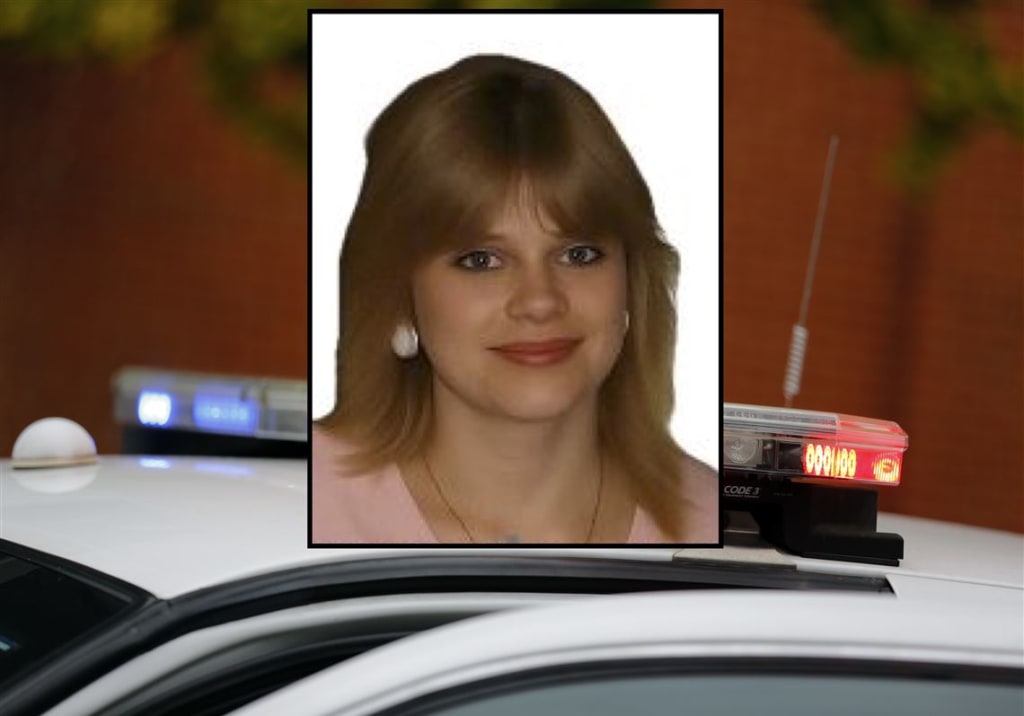
For nearly four decades, she was a ghost, an identity lost to her burnt remains and the passage of time. Discovered on June 16, 1987, the burned remains found wrapped in cloth behind an auto repair shop near Interstate 75 in Toledo, Ohio, presented investigators with a heartbreaking and frustrating mystery. Who was this young woman? What led her to this tragedy? For 38 years, these questions echoed unanswered, the case growing cold, her name unknown. Now, thanks to the relentless progress of forensic science and the relentless dedication of investigators and their collaborative efforts, this long-unnamed victim has been given back her identity: Tammy Lowe, an 18-year-old who had been missing from Taylor, Michigan.
A Shock To The Toledo Community
The initial discovery was shocking to the Toledo community. A body, deliberately burned and concealed, speaks volumes about the perpetrator’s intent to obscure the victim’s identity and destroy evidence. In 1987, the tools available to forensic investigators were limited compared to those used today. While traditional methods, such as dental records and fingerprinting, were likely attempted, they rely on having existing records to compare against — a significant hurdle when dealing with an unidentified person who may not have had extensive dental work or a criminal record. The condition of the remains, ravaged by fire, would have further complicated any visual identification or collection of evidence, even trace evidence.
Case Goes Cold
As the years turned into decades, the case of the Toledo Jane Doe remained open but inactive, a reminder of a life cut short and a cold case mystery unsolved. Countless hours were spent by detectives in the early days, chasing leads that evaporated, interviewing potential witnesses who saw nothing, and examining every scant piece of physical evidence. Yet, connecting the victim to a specific disappearance or a known circle of contacts was virtually impossible without a name. She remained a mystery, her story unknown and untold.
Progress Of Modern Forensics
The turning point, as is increasingly common in cold cases, came through the application of modern DNA technology and investigative genetic genealogy. This powerful combination enables investigators to extract viable DNA profiles from samples that are decades old. This profile can then be uploaded to specialized databases, where it can be compared against profiles submitted by individuals researching their ancestry. Genealogists can then painstakingly build family trees, identifying potential relatives of the unidentified individual.
The Porchlight Project
In Tammy Lowe’s case, this complex work was facilitated by the non-profit Porchlight Project, an organization dedicated to funding DNA testing and genetic genealogy in Ohio for cold cases. The Porchlight Project provided the resources and expertise to conduct the DNA testing and genetic genealogy that led to Tammy’s identification. Additionally, Othram Inc., a private forensic laboratory specializing in extracting and analyzing DNA from challenging evidence, played a crucial role in this process. Their combined expertise, working alongside the Toledo Police Department, enabled the comparison necessary to bridge the gap across the years. In March 2025, the analysis yielded a result that decades of traditional police work could not: a positive identification.
Jane Doe Is Tammy Lowe
The confirmation that Jane Doe was Tammy Lowe, an 18-year-old from Taylor, Michigan — a city roughly 50 miles north of Toledo — is a monumental breakthrough. It finally gives a name to the victim, restoring a measure of dignity and allowing investigators to reframe their entire approach. Knowing who she was has opened avenues previously closed: exploring her life in Taylor, her friends, her family, the circumstances surrounding her disappearance, and any potential connections she might have had to Toledo or the area where her body was found. This breakthrough marks a significant step forward in the investigation.
Case Focus Now: Who Done It
While the identification is a significant victory, it marks a crucial new beginning in this case, not an end. The focus of the investigation now shifts dramatically. It is no longer about “who” she was but about “what happened” to her. Who was responsible for her death and the gruesome attempt to conceal her identity? Investigators can now delve into Tammy’s background, seeking motives and potential suspects. Did she know her killer? Was it a chance encounter? Was she brought to Toledo, or did she travel there on her own or with her killer willingly?
Conclusion
The identification of Tammy Lowe after nearly 38 years is a testament to the perseverance of law enforcement, the invaluable contributions of organizations like the Porchlight Project, and the revolutionary power of DNA and forensic genealogy. It underscores the reality that no case is truly hopeless and that science can answer questions that have been lost to time. This is the first step towards potential justice for Tammy, whose voice was silenced in 1987. For her family, it may offer a painful but necessary form of closure. And for investigators, it provides the critical key needed to unlock the next stage of this tragic investigation. The silence has been broken; the search for answers and justice for Tammy Lowe continues with renewed hope.
About the Creator
MJonCrime
My 30-year law enforcement career fuels my interest in true crime writing. My writing extends my investigative mindset, offers comprehensive case overviews, and invites you, my readers, to engage in pursuing truth and resolution.
Oklahoma Murder for Hire
Murder for hire in 1988 must have been a real monster of a time to find for a woman who was bored, and just lazy. A woman that claimed she was abused, knew how to work a young man up, back in those days it was much easier to find “a knight in shining armor”. Men all over wanted to be one, no man how scuzzy they really were.
By Cassie Moore6 days ago in Criminal
In Cold Blood: Anatomy of a True Crime Classic
The True Crime Reader: Truman Capote’s 'In Cold Blood' Welcome to The True Crime Reader, the podcast where literature meets real life—and the line between truth and narrative blurs. I’m your host, and today we’re journeying into the heart of rural 1950s America to examine Truman Capote’s genre-defining work, In Cold Blood. This episode, we’ll peel back the layers of a book that didn’t just recount a murder—it transformed journalism, challenged the ethics of true crime, and left a profound mark on how we tell stories about violence, psychology, and the American Dream.
By Kristen Barenthaler4 days ago in Criminal
The Devil's Cut
“Comrade, finally you’re awake.” The voice was smooth, sensual. A flickering incandescent bar was all that lit the white, sterile room. All Vladimir remembered was everything going black. He tried to move his arms and found them strapped to the gurney.
By Matthew J. Fromm5 days ago in Fiction


Comments
There are no comments for this story
Be the first to respond and start the conversation.