
Cincinnati Ignored a Peaceful Call to Heal Trauma—Now History Repeats in Violence
Violence

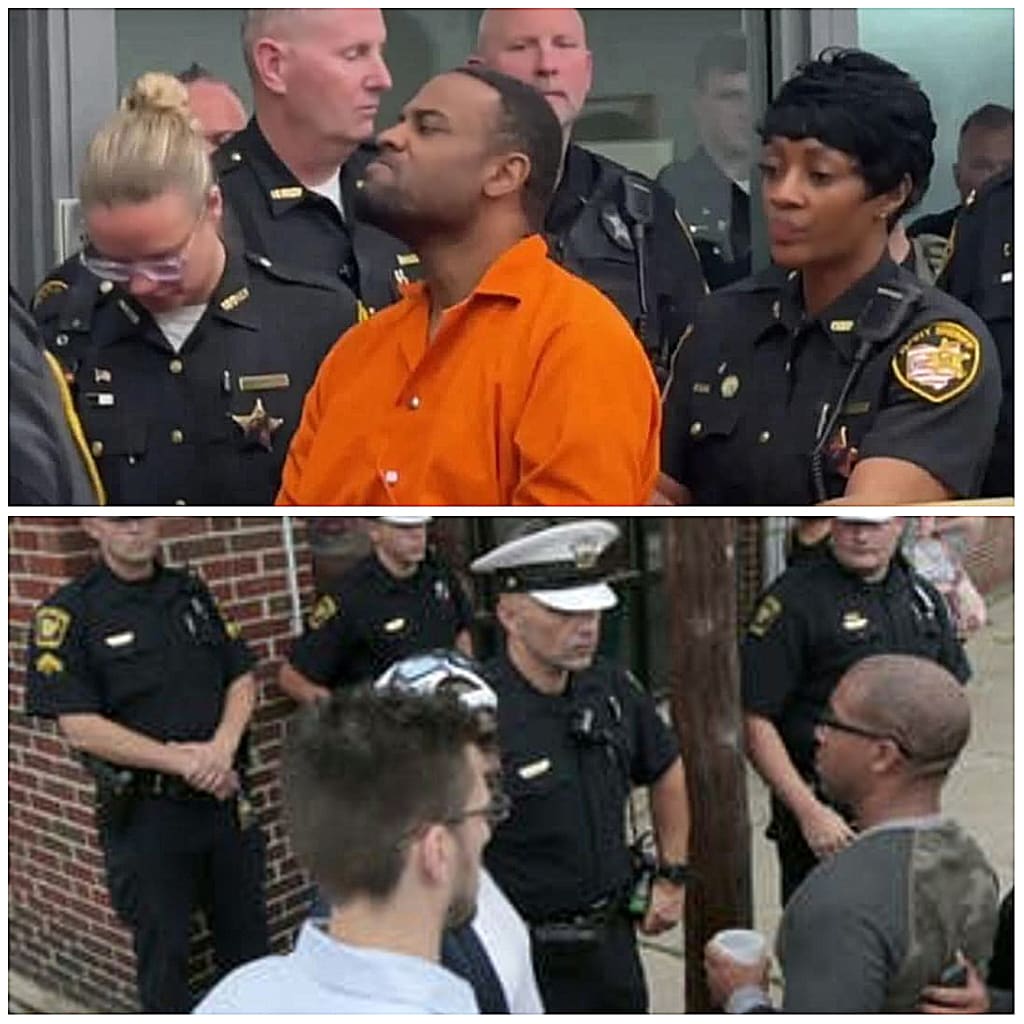
Nearly a decade ago, Ronald Hummons stood face to face with Cincinnati police, not as a protester armed with anger, but as a grieving father carrying unbearable loss. Just hours before, his son had taken his own life. In the rawest moment of his life, Hummons delivered a message that now echoes with chilling clarity: “You’re going to deal with our trauma—either by healing what this country broke or by facing the consequences when that trauma explodes.”
His words weren’t a threat—they were a warning. A prophecy born not from malice but from lived experience. His son’s death was not an isolated tragedy; it was the result of a larger, systemic issue. Like many African American children growing up in poverty and instability, Hummons’ son battled with untreated trauma—Post-Traumatic Stress Disorder that went unseen, unheard, and unhealed.
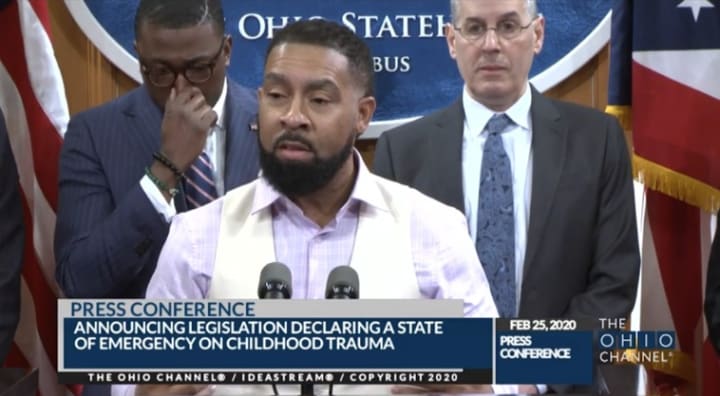
Rather than allow that pain to become a cycle of vengeance or silence, Hummons responded with a vision. He chose peace. He launched a nonviolent movement urging the City of Cincinnati to recognize trauma for what it is: a public health crisis. He called for an official declaration of a State of Emergency on Childhood Trauma, pushing for systemic change that could offer real hope and healing to the next generation.
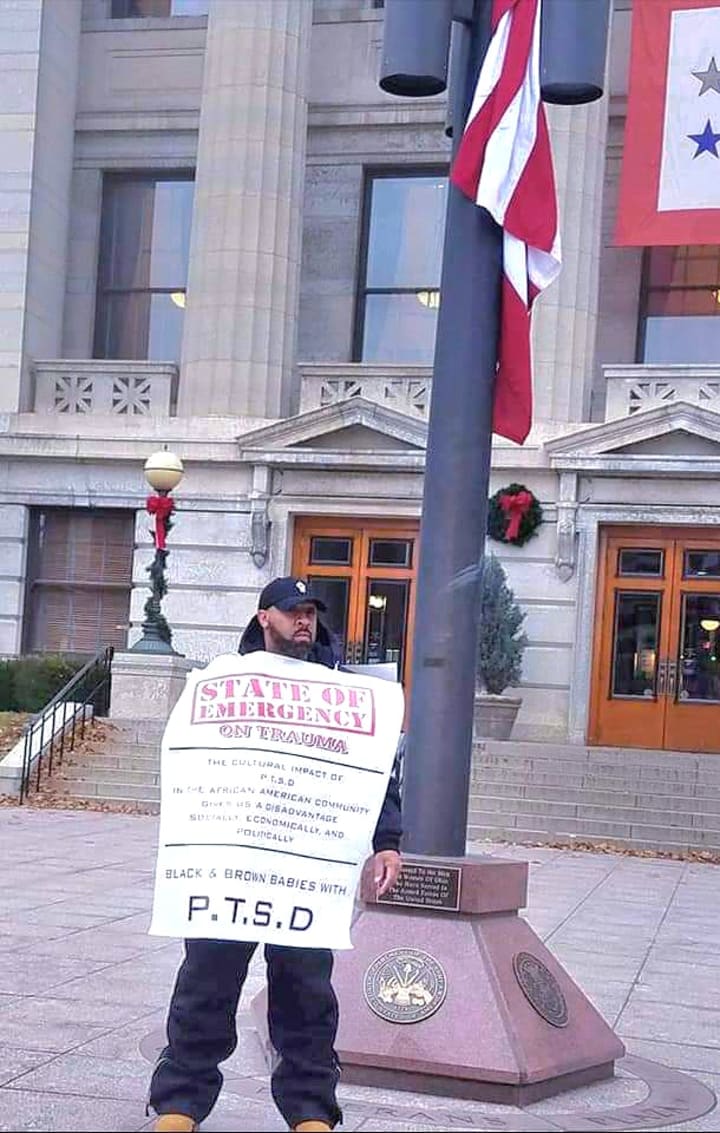
To raise awareness, Hummons even staged a 48-hour hunger strike. He wasn’t seeking media attention or political favors—he was trying to make invisible pain visible. “Our trauma doesn’t always cry out,” he said at the time. “Sometimes it shows up in how we act, how we disconnect, or how we explode.”
But city officials didn’t listen. City Council members dismissed his proposed legislation, suggesting trauma wasn't a political priority. Not only was his proposal minimized—it was buried. Hummons was falsely charged, publicly discredited, and ostracized. For daring to bring forward a peaceful solution, he was punished.
Now, almost ten years later, the very thing he warned against has come to pass—only this time, the pain didn’t show up in peace.
Ten years later, history has repeated itself.
Rodney Hinton Jr., a young Black man in Cincinnati, was shot in the back while running from police. In the aftermath of his son’s death, Rodney Hinton—grieving, traumatized, and broken—responded with violence. It was not the response of a political strategist; it was the expression of untreated, generational trauma finally erupting. The very trauma Hummons warned the city about has returned, this time not as a peaceful protest, but as a violent cry for justice and acknowledgement.
What happened to the Hinton family is not just another tragedy—it is a direct consequence of a system that chose ignorance over action. The trauma Hummons tried so desperately to spotlight has now reemerged, not with a hunger strike, but with gunfire. Not with words, but with wounds.
What Cincinnati ignored then, it now faces in tragedy.
This is not about just two fathers. It’s about a system that refuses to recognize that trauma is a public health crisis. A system that chooses punishment over prevention, silence over solutions. Hummons gave the city a roadmap. He offered peace. He offered a plan that was continually ignored.
The question isn’t whether more trauma will surface—it will. The question is: Will Cincinnati finally listen? Will it choose healing over harm, policy over punishment?
The time for ignoring trauma is over. The city must declare a State of Emergency on Childhood Trauma—not tomorrow, not in the next crisis, but now. Before the next headline is another name we mourn on both sides.
Because if the city continues to ignore peaceful calls for help, it will only continue to hear louder, more devastating cries in return.
Healing is still possible. But only if Cincinnati listens.
Nate Paige
About the Creator
Emma Wegenast
I am Emma Wegenast, an experienced SEO specialist known for my expertise in keyword research, content optimization, and link building. I help businesses improve their search rankings, drive organic traffic, and enhance online visibility.
Keep reading
More stories from Emma Wegenast and writers in Criminal and other communities.
Cincinnati Ignored a Peaceful Call to Heal Trauma—Now History Repeats in Violence
Nearly a decade ago, Ronald Hummons stood face to face with Cincinnati police, not as a protester armed with anger, but as a grieving father carrying unbearable loss. Just hours before, his son had taken his own life. In the rawest moment of his life, Hummons delivered a message that now echoes with chilling clarity: “You’re going to deal with our trauma—either by healing what this country broke or by facing the consequences when that trauma explodes.”
By Emma Wegenast8 months ago in Criminal
Inside the House of Skulls: The Full Timeline of the Jonathan Gerlach Investigation
INVESTIGATION TARGET: JONATHAN C. GERLACH INCIDENT LOCATION: 100 WASHINGTON AVENUE, EPHRATA PA CHARGES: ABUSE OF CORPSE (x100), THEFT, DESECRATION STATUS: INCARCERATED ($1M BAIL) KEYWORDS: #HouseOfSkulls #JonathanGerlach #EphrataCrime #MountMoriah
By Sunshine Firecracker4 days ago in Criminal
Multinational Crisis
Part One: Nigeria You have all heard about Nigerians, Nigeria in general. The infamous scammer country. But let’s have a real conversation. Let me give you some extremely boring stats, so we are on a level playing field, on my thoughts. I’ll be as brief as possible considering, no one wants an hour long dissertation on economic issues.
By Alexandra Grant4 days ago in Criminal



Comments
There are no comments for this story
Be the first to respond and start the conversation.