
Carlos Ghosn, The Fugitive CEO
The story of the rise and fall of one of the world's most successful CEOs and his escape from captivity.

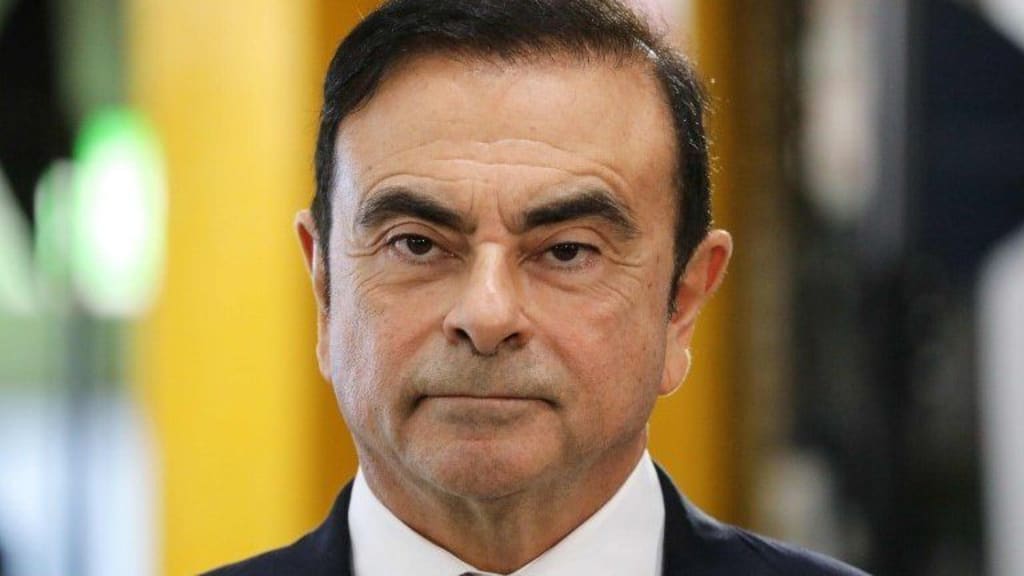
Carlos Ghosn is a name that has been making headlines globally over the past few years, particularly since his escape from house arrest in Japan in late 2019. The former CEO of Nissan and Renault was once one of the most powerful figures in the automotive industry, credited with reviving both companies and making them two of the biggest players in the industry. However, his dramatic downfall has become one of the most fascinating stories in modern corporate history.
Ghosn's journey to the top of the industry began in the late 1990s, when he was hired by Renault to help turn around the struggling automaker. He quickly implemented a series of sweeping changes that led to a significant increase in revenue and profit, and he was subsequently appointed CEO of Nissan in 1999. Ghosn then became the first person to run two global automakers simultaneously when he was appointed CEO of both Nissan and Renault in 2005.
Under Ghosn's leadership, Nissan and Renault's fortunes flourished. He was known for his hard-charging management style and his ability to make tough decisions, such as closing factories and cutting jobs when necessary. However, his approach to management was also criticized by some for being overly authoritarian and lacking in empathy.
In 2018, Ghosn's career took a dramatic turn when he was arrested by Japanese authorities on charges of financial misconduct. He was accused of underreporting his income by tens of millions of dollars and using company funds for personal purposes. Ghosn denied the charges and claimed that he was the victim of a conspiracy by Nissan executives who were unhappy with his efforts to integrate the company more closely with Renault.
Ghosn spent more than 100 days in detention in Japan before being released on bail in March 2019. However, his house arrest conditions were strict, including restrictions on his communications and movements. Despite this, in December of that year, Ghosn managed to sneak out of Japan and travel to Lebanon, where he has citizenship and where he has remained ever since. His escape sparked international outrage and raised questions about the adequacy of Japan's justice system.
Since his escape, Ghosn has continued to deny the charges against him and has been vocal about his mistreatment while in Japanese custody. He has accused Nissan and Japanese officials of trying to destroy his reputation and has called for a fair trial. Meanwhile, Ghosn's legal battles continue on multiple fronts, with Japanese prosecutors seeking to extradite him, and the French government investigating his financial dealings at Renault.
Ghosn's story is not just a cautionary tale about the dangers of corporate hubris and the perils of unchecked ambition. It also reflects broader tensions in the global business landscape, particularly the challenges facing multinational companies that span multiple countries and cultures. Ghosn's efforts to merge Nissan and Renault into a single entity were seen as innovative and forward-thinking, but they also raised concerns about the protection of corporate interests and the impact on local economies and cultures.
Furthermore, Ghosn's story highlights the complex relationships between business, politics, and law enforcement in different parts of the world. His arrest and subsequent escape have been criticized by some as politically motivated, while others point to the inherent challenges of balancing the needs of justice and business in an increasingly interconnected world.
In conclusion, Carlos Ghosn's rise and fall as a corporate titan and global fugitive is a story that is likely to continue to captivate and intrigue people around the world. It raises important questions about the nature of power and accountability in the business world, as well as the challenges facing leaders who seek to navigate complex and competing interests. Ultimately, Ghosn's story is a reminder that even the most successful and powerful individuals are not immune to the consequences of their actions.
About the Creator
Dennis Karima
I am a good story teller who is human, vulnerable, truthful and trustworthy. Am also authentic and genuine, not being afraid to admit doubts, confusion or mistakes.
Keep reading
More stories from Dennis Karima and writers in Criminal and other communities.
Albert Spaggiari And The Sewer Rat Gang
Albert Spaggiari is a notorious French criminal who is infamous for orchestrating one of the most daring robberies of all time – the 1976 heist at Société Générale bank in Nice, France. The heist, which yielded the robbers over $30 million in cash and valuables, is often referred to as the "robbery of the century" and the "crime of the century."
By Dennis Karima3 years ago in Criminal
Inside the Case of Private Investigator Ken Childs, Accused of Powering One of Los Angeles’ Darkest Criminal Networks
Los Angeles has always been a city built on secrets. Behind the glamorous film premieres, multimillion-dollar mansions, and celebrity headlines lies an entire industry devoted to uncovering the truth — private investigators.
By Shane Smith7 days ago in Criminal
Michigan Synagogue Shooting: Fear, Faith, and Survival
Places of worship are meant to feel safe. People gather there to pray, reflect, and share quiet moments with their community. For many families, a synagogue is more than a building. It is where children learn traditions, where people celebrate holidays, and where comfort is found during difficult times.The michigan synagogue shooting shattered that sense of safety in an instant. What began as an ordinary day quickly turned into confusion and fear. Families inside the building suddenly faced a situation no one expects in a place meant for peace.
By Muqadas khanabout 4 hours ago in Criminal


Comments
There are no comments for this story
Be the first to respond and start the conversation.