
Breaking Down the Charlie Kirk Shooting: DNA Evidence, Digital Trails, and Unanswered Questions
DNA evidence, digital confessions, and questions of political motive push the Charlie Kirk shooting case into national focus.

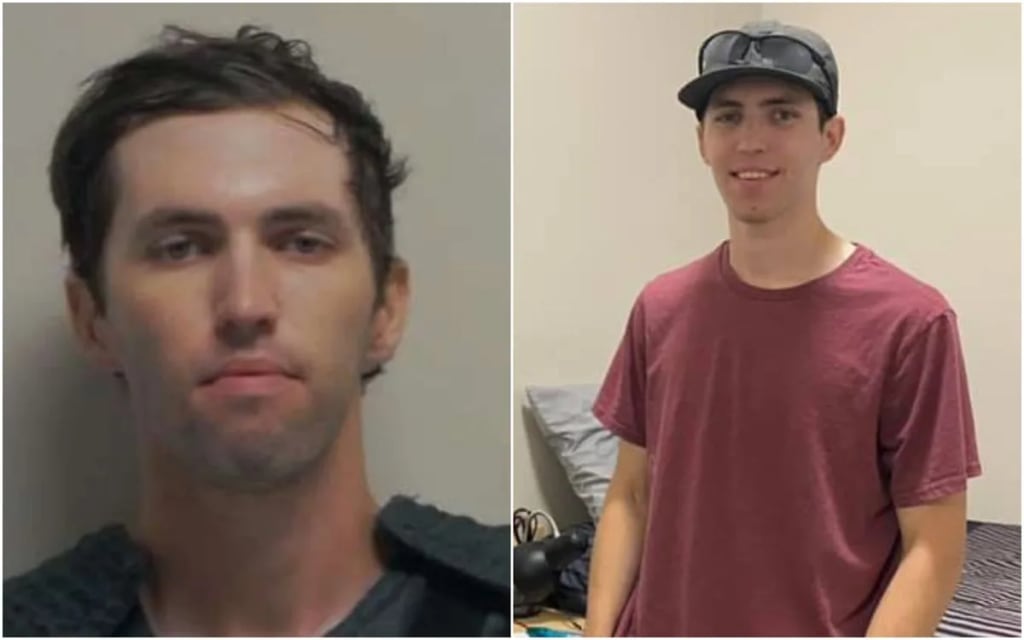
The story of Charlie Kirk’s shooting in Utah has moved fast — sometimes too fast for the public to keep up. In just a matter of days, what began as chaos at Utah Valley University has shifted into a case with DNA links, alleged digital confessions, and a suspect whose politics and personal life are under the microscope.
This isn’t just another crime update. It’s a case that raises uncomfortable questions about security at public events, the radicalization of young Americans, and how investigators communicate (or don’t) during high-profile cases. Let’s break it down.
DNA Evidence: The Smoking Gun or Just One Piece?
The first big development came when FBI Director Kash Patel announced that Tyler Robinson’s DNA had been found on a towel used to wrap the rifle and a screwdriver discovered on the rooftop where the fatal shots were fired. That’s about as direct as it gets in tying a suspect to the crime scene.
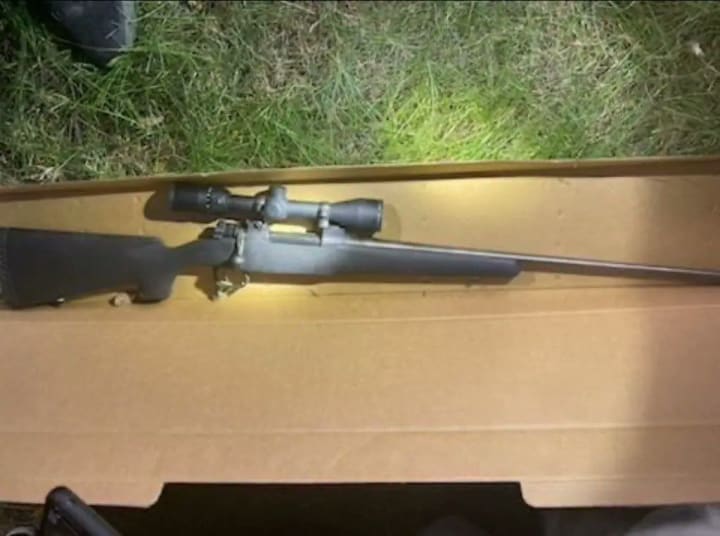
But here’s where analysis matters: DNA isn’t always the slam-dunk people think it is. Yes, it places Robinson in contact with those items, but it doesn’t tell us when or under what circumstances. Defense attorneys will almost certainly question chain of custody and contamination. Still, combined with other evidence, this is a damning piece of the puzzle.
The Messages: Discord or Something Else?
If the DNA points to Robinson physically, the digital trail paints the state of mind. Investigators say he sent messages about retrieving a rifle, hiding it in bushes, engraving bullets, and even changing outfits. That’s not just casual chatter — that’s planning.
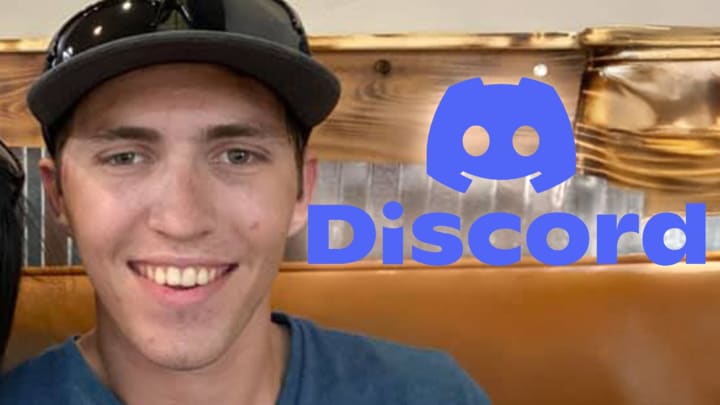
But then the confusion kicks in. Were these messages sent over Discord? Texts? Another app entirely? Discord itself says no, that its platform wasn’t used to plan the crime. Yet the affidavit references investigators photographing Discord messages from Robinson’s roommate’s phone.
This back-and-forth highlights a bigger issue: how investigators and platforms handle public communication. For people following the case, it’s whiplash. And when The Washington Post drops a report that Robinson allegedly confessed in a group chat hours before his arrest — writing, “It was me at UVU yesterday. I’m sorry for all of this” — the contradictions pile up.
The bottom line? However messy the details, there’s now both physical and digital evidence stacking up against Robinson.
Family, Friends, and the Push to Surrender
What strikes me is how Robinson’s own family played a role. His father reportedly urged him to turn himself in after recognizing him in FBI surveillance photos. That’s gut-wrenching — a parent realizing their child may have committed one of the most high-profile crimes in recent memory.
And then there’s the roommate, who not only turned over messages but is described as shocked by the shooting. This detail complicates the narrative. On one hand, it shows Robinson wasn’t completely isolated — people saw warning signs. On the other, it raises the question: if loved ones saw troubling behavior, why wasn’t more done sooner?
Security Questions That Won’t Go Away
Now, let’s talk about the elephant in the room: how did Robinson manage to get on a university rooftop with a rifle?
Utah Valley University’s own officials admit there were just six uniformed officers at an event with nearly 3,000 attendees. Some students even pointed out that sports events on the same campus had visibly more security. That stings.
Was it a failure of imagination? Probably. Universities don’t expect political rallies to end in assassination attempts. But hindsight is cruel — and after this, security protocols for public speakers are going to look very different.
Motive: The Messiest Part
This is where everything gets murky. Governor Spencer Cox has described Robinson as politically left-leaning, while some reporting ties him to online far-right “groyper” circles that actually view Kirk as too moderate. Engraved shell casings with anti-fascist slogans complicate things further.
So was Robinson left-wing, right-wing, or just radicalized and unstable in a way that doesn’t fit neatly into ideological boxes? Honestly, it looks like a mix. We’re in a moment where online radicalization doesn’t follow clean lines. People can absorb memes, conspiracies, and grievances from all corners of the internet, creating a toxic stew that defies easy categorization.
The only thing that seems consistent is that Robinson had developed an obsession with Kirk. That’s where motive starts to take shape: fixation, resentment, and the drive to make a violent statement.
The Road Ahead: Capital Murder and the Death Penalty
Robinson is already facing charges of aggravated murder, felony discharge of a firearm, and obstruction of justice. Prosecutors are expected to elevate this to capital murder — which means the death penalty is firmly on the table.
Utah hasn’t shied away from executions in recent years, and with Governor Cox and even the White House signaling support for harsh penalties, the political appetite for maximum charges is there. This could easily become one of the most consequential trials in Utah’s history.
Bigger Picture: Why This Case Matters
Yes, this is a high-profile crime because Charlie Kirk was a national figure. But zoom out, and it becomes about more than just one man or one shooter.
Security gaps: If a well-known political figure can be targeted so easily, what does that say about safety at public events across the country?
Radicalization: The internet’s role in turning discontent into obsession — regardless of ideology — is impossible to ignore.
Law enforcement communication: The confusing flow of information, missteps about custody, and contradictions about digital evidence erode public trust at exactly the wrong moment.
Final Thoughts
The Charlie Kirk shooting isn’t just shocking because of who the victim was — it’s shocking because of what it says about the state of America right now. Political violence is no longer abstract; it’s bleeding into campuses, communities, and the daily news cycle.
For Utah, this will be remembered as one of the darkest chapters in decades. For the rest of the country, it’s a wake-up call: political speech, no matter how controversial, should never carry the risk of assassination attempts.
Robinson’s trial will drag on, evidence will be debated, and narratives will compete for attention. But the core questions remain: How do we stop radicalization before it becomes violence? And are we willing to learn from this tragedy before the next one arrives?
About the Creator
Lawrence Lease
Alaska born and bred, Washington DC is my home. I'm also a freelance writer. Love politics and history.
Keep reading
More stories from Lawrence Lease and writers in Criminal and other communities.
15 Things to Know About Charlie Kirk’s Murder
On September 10, 2025, political discourse in America took a dark and deadly turn. Charlie Kirk, the outspoken conservative activist and founder of Turning Point USA, was shot and killed during a live event at Utah Valley University. The news sent shockwaves across the country, igniting a firestorm of debate over political violence, security, and the growing dangers of hyper-partisan rhetoric in America. As authorities continue their investigation and the nation processes the enormity of the moment, here are 15 key facts and insights that paint a clearer picture of what happened—and why it matters.
By Lawrence Lease4 months ago in Criminal
The $23,000-a-Day Question: Ephrata spends $8.5 million a year for police. What are we actually buying?
The Invoice Arrives Every year, Ephrata property owners receive a tax bill. A massive chunk of that bill goes to one place: The Police Department. We are told this is the price of safety. We are told that we have a "Gold Standard" department that warrants premium funding.
By Sunshine Firecracker2 days ago in Criminal


Comments
There are no comments for this story
Be the first to respond and start the conversation.