
Bonnie and Clyde: The Infamous Crime Duo Who Captivated America
Bonnie and Clyde's story transcends their criminal acts, capturing the imagination of generations with their daring escapades and tumultuous romance. Their tale is not just one of crime and violence but also of love, loyalty, and rebellion against societal norms. This complex interplay between their notorious deeds and their undying bond has turned them into enduring legends, symbolizing the struggle against a system that many felt was unjust during the Great Depression. Their legacy lives on, reflecting the perennial allure of outlaw figures in American folklore.

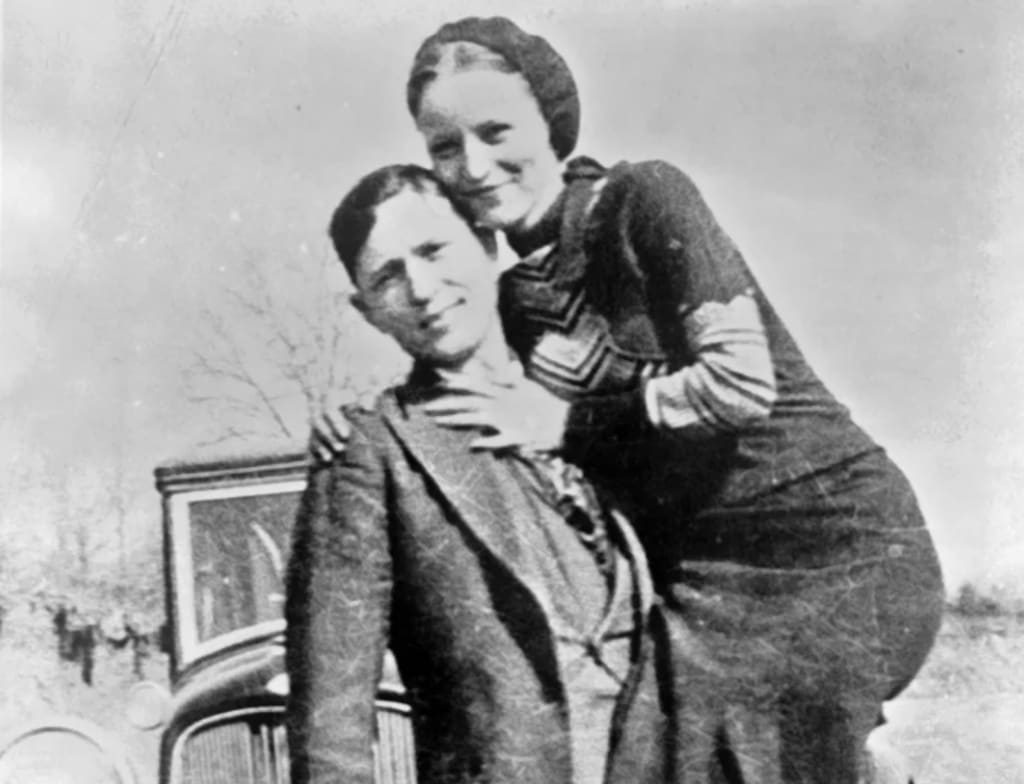
Bonnie Parker and Clyde Barrow, two names synonymous with the Great Depression-era crime spree, have left an indelible mark on American history. Their story is one of love, desperation, and a relentless pursuit by law enforcement that ended in a hail of bullets. Despite their criminal activities, Bonnie and Clyde have become folk heroes, symbols of rebellion against a system that many felt had failed them. This article delves into the lives of Bonnie and Clyde, their infamous crime spree, and the legacy they left behind.
The Early Lives of Bonnie and Clyde
Bonnie Parker was born on October 1, 1910, in Rowena, Texas. She was a bright student with a flair for writing poetry and dreams of becoming an actress. However, life took a different turn when she married Roy Thornton at 16, a marriage that quickly fell apart due to his criminal activities.
Clyde Barrow, born on March 24, 1909, in Telico, Texas, grew up in a poor farming family. His early encounters with the law began with petty theft and escalated to more serious crimes. By the time he met Bonnie in January 1930, Clyde had already served time in jail, where he endured harsh conditions that further hardened his resolve against authority.
The Crime Spree Begins
The meeting of Bonnie and Clyde marked the beginning of a notorious partnership. Their first known crime together was a failed robbery that led to Clyde’s arrest. Bonnie smuggled a gun into jail, helping Clyde escape, though he was recaptured shortly after. Once released on parole, Clyde vowed never to return to prison and began a violent crime spree.
Between 1932 and 1934, Bonnie and Clyde, along with various gang members, committed numerous bank robberies, small-town store holdups, and even a few murders. Their criminal activities spanned multiple states, including Texas, Oklahoma, Missouri, and Louisiana. The gang’s ability to elude capture and their daring robberies made headlines across the nation, capturing the public’s imagination.
A Life on the Run
Life on the run was perilous and fraught with danger. The gang constantly moved to avoid capture, often staying in remote locations and stealing cars to stay ahead of the law. They engaged in several shootouts with police, further enhancing their legend as outlaws who defied authority. Despite the constant threat of capture or death, Bonnie and Clyde remained inseparable, their bond growing stronger with each passing day.
Bonnie was often depicted in newspapers holding a gun and smoking a cigar, an image that became iconic. In reality, she was not as actively involved in the violence as Clyde, but her loyalty and involvement in planning and aiding the gang’s activities made her an integral part of the criminal enterprise.
The Pursuit and Final Showdown
Law enforcement’s pursuit of Bonnie and Clyde intensified as their crimes became more brazen. Texas Ranger Frank Hamer was hired to track them down. Hamer and his team spent months following leads and studying the gang’s patterns. Their relentless pursuit paid off on May 23, 1934, when they ambushed Bonnie and Clyde near Gibsland, Louisiana.
The ambush was a brutal end to the crime spree. The officers, armed with high-powered rifles, riddled Bonnie and Clyde’s car with bullets, killing them instantly. The dramatic nature of their deaths and the violent end of their romanticized crime spree cemented their place in American folklore.
The Legacy of Bonnie and Clyde
Despite their criminal activities, Bonnie and Clyde became symbols of rebellion and resistance against a system that many felt had failed them during the Great Depression. Their story has been immortalized in songs, books, and films, most notably the 1967 film "Bonnie and Clyde," which portrayed them as tragic anti-heroes.
Their legacy is complex; they were ruthless criminals responsible for numerous deaths and suffering, yet they also represented a defiance of the social and economic hardships of their time. The public’s fascination with their story reflects a deeper intrigue with the idea of outlaw lovers defying the odds and living on their own terms, however violent those terms might have been.
To conclude, the story of Bonnie and Clyde is a gripping tale of love, crime, and the relentless pursuit of justice. Their lives, marked by poverty, desperation, and defiance, captivated a nation during one of its most challenging periods. While their actions were criminal and violent, the legend of Bonnie and Clyde endures as a symbol of rebellion and the complexities of the human spirit in the face of adversity. Their tale continues to inspire and engage audiences, serving as a reminder of the fine line between heroism and villainy.
About the Creator
Jane Doe
As a passionate storyteller, I captivate readers with engaging, well-researched articles across genres from criminality and poems to lifestyle and more....
Join me for insights, tips, and narratives that inform and entertain.
The Locked Room in Apartment 304
In the winter of 2022, a quiet residential building on the outskirts of a small Midwestern town became the center of one of the most disturbing criminal investigations the community had ever witnessed, a case that began with what seemed like an ordinary welfare check and quickly evolved into a mystery filled with fear, unanswered questions, and details that investigators still struggle to explain. The building itself was nothing remarkable, a four-story complex built in the late 1980s with narrow hallways, aging carpets, and the faint smell of cleaning chemicals that seemed permanently embedded in the walls, but what happened in apartment 304 would transform that otherwise forgettable structure into a place that residents refused to talk about even years later.
By The Curious Writer3 days ago in Criminal


Comments
There are no comments for this story
Be the first to respond and start the conversation.