
Beating Death Aftermath
In 2011, Christian Fernández, a 12-year-old in Florida, was involved in the beating death of his 2-year-old half-brother.

Christian Fernández was involved in a tragic incident in 2011 that shook the United States and garnered widespread media attention. At the center of the case was the beating death of his 2-year-old half-brother in Florida. The incident shed light on the complexities of the justice system, particularly when dealing with juveniles charged with serious crimes.
Christian Fernández, born in 1998, was only 12 years old when the incident occurred. On March 14, 2011, emergency services responded to a distress call at the family's home in Jacksonville, Florida. They found the lifeless body of David Galarraga, Christian's half-brother, who had suffered severe injuries consistent with a brutal beating. The authorities arrested Christian, alleging that he was responsible for the toddler's death.
The case quickly made headlines due to its shocking nature and the young age of the alleged perpetrator. The tragedy sparked debates about the appropriate way to handle such cases involving minors accused of violent crimes. The legal system was faced with the challenge of determining whether a child like Christian should be tried as an adult or treated as a juvenile offender.
The state of Florida had a controversial history when it came to prosecuting minors as adults, and this case reignited discussions about the effectiveness and fairness of such practices. Supporters of Christian argued that he was just a child himself at the time of the incident and should be given a chance at rehabilitation and intervention rather than facing adult charges and potential life imprisonment.
Christian's defense team presented a compelling argument, stating that he had been a victim of abuse and neglect, which could have contributed to his actions. They claimed that he had a troubled upbringing, witnessing violence and experiencing a lack of proper parental care and support. Such factors can have a profound impact on a child's behavior and psychological development, leading to acts of violence.
As the legal proceedings continued, Christian's case attracted attention from child advocates and activists across the nation. They called for a more compassionate approach to juvenile offenders, emphasizing the importance of rehabilitation, mental health support, and education rather than harsh punishment. In response, some changes were made to Florida's laws, attempting to reduce the number of juveniles prosecuted as adults.
In January 2013, Christian Fernandez made a significant decision in his case. He pleaded guilty to manslaughter as a juvenile offender, which resulted in a sentence of juvenile detention until he turned 19. Additionally, he agreed to serve eight years of probation following his release. While this plea agreement provided some resolution to the case, it also raised further questions about the fairness of the juvenile justice system and the overall treatment of young offenders.
The Christian Fernández case remains a contentious topic, prompting discussions about the complexities of the legal system and the need for comprehensive juvenile justice reform. It highlighted the importance of taking a rehabilitative approach for young offenders while acknowledging the significance of addressing the root causes of their actions, such as exposure to violence and trauma.
In the years following the incident, Christian's case spurred efforts to improve the treatment of juvenile offenders in Florida and other states across the country. Advocacy groups and policymakers have pushed for more progressive measures that prioritize the well-being of young individuals and focus on rehabilitation rather than punitive measures.
While the tragedy of David Galarraga's death cannot be undone, the Christian Fernández case has left a lasting impact on the criminal justice system. It serves as a stark reminder of the importance of supporting and guiding troubled youth to prevent future tragedies and promote a more just and compassionate society.
About the Creator
Keep reading
More stories from Kure Garba and writers in Criminal and other communities.
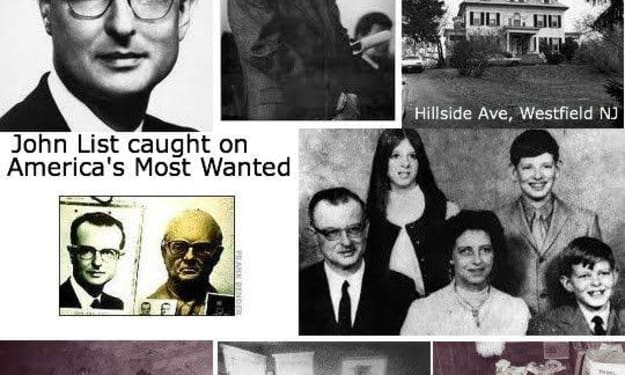
John List's Tragedy
In 1971, a shocking family tragedy unfolded in Westfield, New Jersey, that would capture the nation's attention and leave a lasting mark on criminal history. At the center of the heartbreaking tale was John List, a 46-year-old father and seemingly ordinary man, who committed a heinous act that would forever haunt the memories of those who learned of it.
By Kure Garba3 years ago in Criminal
What Legal Rights Do Families Have in Alabama Wrongful Death Cases?
The sudden death of a loved one is an experience that can be hurtful to any family. The emotional and financial consequences of a loss may be even more significant when caused due to the negligence of another person or the wrongdoing committed by another person. In such cases, the law gives a means of justice to the families by the wrongful death case.
By Deborah Larsonabout 22 hours ago in Criminal


Comments
There are no comments for this story
Be the first to respond and start the conversation.