
ATM Jackpotting
The High-Tech Heist Targeting Cash Machines

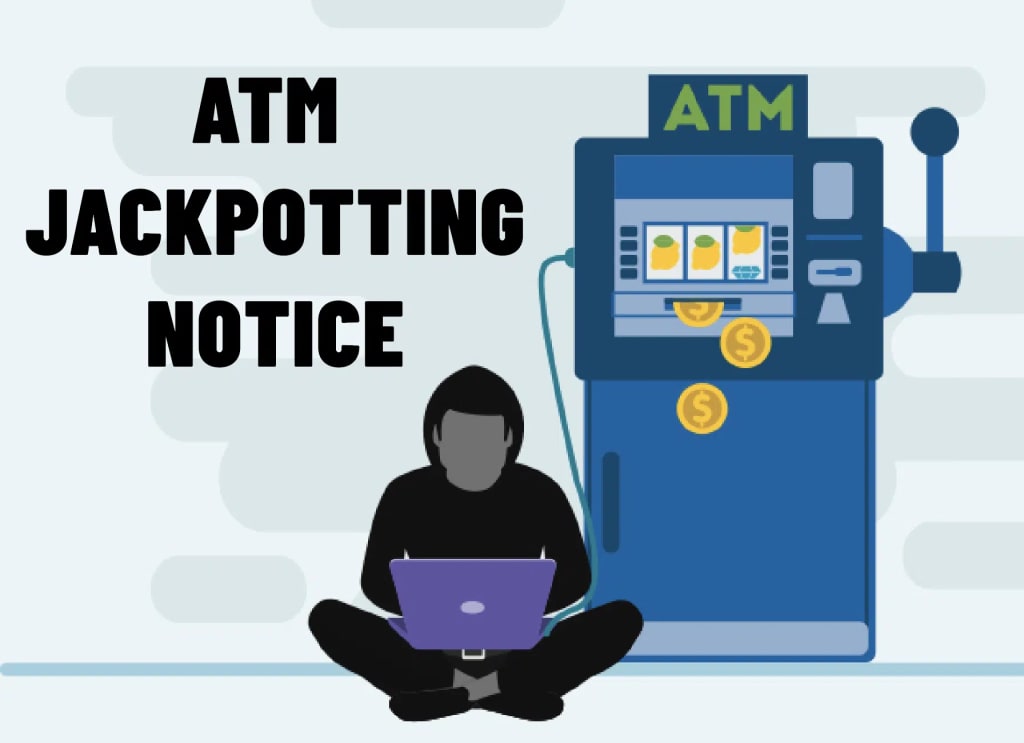
In the evolving landscape of cybercrime, ATM jackpotting has emerged as a sophisticated and audacious method for criminals to drain cash from automated teller machines. This crime, which forces ATMs to dispense money like a slot machine hitting the jackpot, blends physical tampering with digital manipulation, posing significant challenges for banks, law enforcement, and cybersecurity experts. As jackpotting incidents rise globally, understanding this crime's mechanics, impact, and prevention strategies is critical.
What is ATM Jackpotting?
ATM jackpotting is a form of cyber-physical crime where attackers manipulate an ATM to dispense large amounts of cash without using a legitimate bank card or account. Unlike traditional ATM skimming, which steals card data, or physical theft, which involves breaking into the machine, jackpotting exploits vulnerabilities in the ATM's software or hardware. Once the machine is compromised, it can be commanded to release cash on demand, often in a matter of minutes.
The term "jackpotting" draws from the visual of an ATM spewing cash uncontrollably, resembling a casino slot machine payout. Criminals achieve this through malware infections, hardware tampering, or a combination of both, targeting the ATM's internal systems to bypass security protocols.
How Does Jackpotting Work?
Jackpotting attacks typically follow a multi-step process, requiring technical expertise and precise execution:
Reconnaissance: Criminals identify vulnerable ATMs, often targeting older models with outdated software or weak physical security. Standalone ATMs in low-traffic areas, such as convenience stores or gas stations, are prime targets due to limited surveillance.
Gaining Access: Attackers may use physical or digital methods to access the ATM's internal systems. Physical access involves opening the machine's casing with stolen keys, specialized tools, or by exploiting weak locks. Digital access might involve connecting a device, such as a USB drive or laptop, to the ATM's ports.
Malware Installation: One common jackpotting technique involves installing malware, such as the infamous "Ploutus" or "Cutlet Maker" strains, onto the ATM's operating system. This malware is often delivered via USB or by compromising the bank's network. Once installed, it allows attackers to control the cash dispenser.
Hardware Manipulation: In some cases, criminals use "black box" devices - small, custom-built gadgets that connect directly to the ATM's cash-dispensing mechanism. These devices trick the ATM into releasing cash by mimicking legitimate commands.
Cash Collection: With the ATM compromised, attackers issue commands to dispense cash, often using a specific key combination or an external device. Accomplices, known as "money mules," may collect the cash to avoid drawing suspicion to the primary attacker.
Escape: Jackpotting attacks are designed for speed, with criminals aiming to empty the ATM and flee before detection. The entire process can take less than 10 minutes.
The Global Impact
ATM jackpotting has surged in recent years, with incidents reported across North America, Europe, Latin America, and Asia. In 2018, the U.S. saw a wave of jackpotting attacks, with the FBI and Secret Service issuing warnings to banks. Countries like Mexico, Brazil, and India have also reported significant losses, with some estimates suggesting millions of dollars stolen annually through these schemes.
The financial impact extends beyond stolen cash. Banks face repair costs for damaged ATMs, legal liabilities, and reputational harm. Customers may lose trust in financial institutions, particularly in regions where jackpotting is prevalent. Moreover, the cross-border nature of these crimes - often orchestrated by organized syndicates - complicates law enforcement efforts.
Who's Behind Jackpotting?
Jackpotting is typically carried out by organized crime groups with access to advanced technical skills and resources. These groups often operate internationally, with members specializing in different aspects of the attack, from malware development to physical tampering. Some syndicates sell jackpotting tools and malware on the dark web, enabling less-skilled criminals to execute attacks.
In many cases, attackers are linked to Eastern European or Latin American crime networks, though the global nature of the crime makes attribution challenging. The rise of "crime-as-a-service" has further democratized jackpotting, allowing even low-level criminals to purchase ready-made kits for as little as $1,000 on illicit marketplaces.
Challenges in Prevention
Combating ATM jackpotting is no easy feat. ATMs are often manufactured by multiple vendors, each with different hardware and software configurations, making universal security patches difficult. Many machines still run outdated operating systems, such as Windows XP, which are vulnerable to exploits. Additionally, the decentralized ownership of ATMs - split between banks, independent operators, and retailers - leads to inconsistent security standards.
Law enforcement faces hurdles as well. Jackpotting's speed and anonymity make it hard to catch perpetrators in the act, and international syndicates exploit jurisdictional gaps to evade prosecution. Even when arrests are made, the masterminds behind malware development or black box production often remain at large.
Fighting Back: Prevention and Mitigation
Banks and ATM operators are taking steps to counter jackpotting, though the arms race between criminals and defenders continues. Key strategies include:
Software Upgrades: Regularly updating ATM operating systems and applying security patches can close vulnerabilities exploited by malware.
Physical Security: Installing stronger locks, tamper-proof casings, and alarms on ATMs deters physical access. Disabling unused USB ports also limits malware delivery.
Network Segmentation: Isolating ATMs from broader bank networks reduces the risk of remote compromise.
Monitoring Systems: Real-time monitoring for unusual activity, such as rapid cash dispensing, can trigger alerts and shut down compromised machines.
Encryption: End-to-end encryption of ATM communications prevents interception of commands by black box devices.
Collaboration: Banks, ATM manufacturers, and law enforcement are increasingly sharing threat intelligence to track and disrupt jackpotting networks.
The Future of Jackpotting
As ATMs become more secure, criminals are likely to adapt, targeting newer technologies like contactless payment systems or mobile banking apps. The rise of cryptocurrency ATMs, which often lack robust regulation, could also attract jackpotting attempts. Meanwhile, advancements in artificial intelligence and machine learning may empower both attackers (through smarter malware) and defenders (through predictive threat detection).
Public awareness is another critical factor. Customers can help by reporting suspicious activity around ATMs, such as unfamiliar devices attached to machines or individuals loitering nearby. Choosing ATMs in well-lit, high-traffic areas can also reduce the risk of encountering a compromised machine.
Conclusion
ATM jackpotting represents a bold fusion of physical and digital crime, exploiting the trust we place in cash machines. While its flashy execution captures headlines, the underlying threat is a reminder of the vulnerabilities in our financial infrastructure. By investing in stronger security, fostering global cooperation, and staying vigilant, banks and law enforcement can curb this high-tech heist. For now, the battle for control of the ATM continues - one jackpot at a time.
The folling PDF was provided to us by the ROCIC:
About the Creator
Steven Zimmerman
For thirty+ years I've been both a reporer and photojournalist. Today, I write about photos I've taken, and my life as a member of the Church of Jesus Christ of Latter-day Saints. From time to time, I'll write about human interest.
Keep reading
More stories from Steven Zimmerman and writers in Criminal and other communities.
The Impossible Prison Break - Alcatraz Escape
FBI officers were stunned. This was a prison where even if a prisoner was left out in the open, escape seemed impossible. Yet somehow, right under the noses of the authorities, three inmates managed to break out. What was even more shocking was that for nearly 10 hours, the prison authorities had no idea they were missing.
By Imran Ali Shah5 days ago in Criminal
Jennifer Kesse: The Unidentified Man and the Vanished Car
The disappearance of Jennifer Kesse remains one of the most perplexing and heartbreaking unsolved missing persons cases in Florida. On January 24 2006 the 24-year-old finance manager vanished from her condominium complex in Orlando without a trace. Nearly two decades later her whereabouts are still unknown, no arrests have been made and the mystery continues to captivate true crime enthusiasts and haunt her family.Jennifer Joyce Kesse was a bright, ambitious young woman living in Orlando Florida. She worked as a finance manager at Central Florida Investments, a timeshare company in Ocoee. Having graduated with a finance degree she had built a stable life, purchasing her own condo in the gated Mosaic at Millenia community near the Mall at Millenia—a place she chose partly for its security features, including a guard. Jennifer was described by loved ones as responsible, family-oriented,and safety-conscious. She maintained close ties with her parents,Drew and Michelle Kesse and her boyfriend Rob Allen.
By Kure Garbaa day ago in Criminal
Unofficial Challenge: Black History Celebration
Forward: February 28th, 10:53 PM, EST... The final hour of Black History Month, 2026. Hello fellow writers. I've had this challenge waiting in my drafts for most of the month. But I held off on publishing it, until now.
By Sam Spinelli7 days ago in Writers




Comments (1)
ATM jackpotting is a serious issue. I've seen how criminals target older ATMs. We need better security on these machines, both physically and digitally, to stop this sophisticated crime.