
Andrea Yates (2001) - A Tragic Tale of Postpartum Depression, Psychosis, and the Mental Health Support System
In Houston, Texas, Andrea Yates drowned her five children in a bathtub. She suffered from severe postpartum depression and psychosis at the time of the murders. Her actions raised questions about mental health support for new mothers and the challenges of caring for individuals with severe mental illnesses.
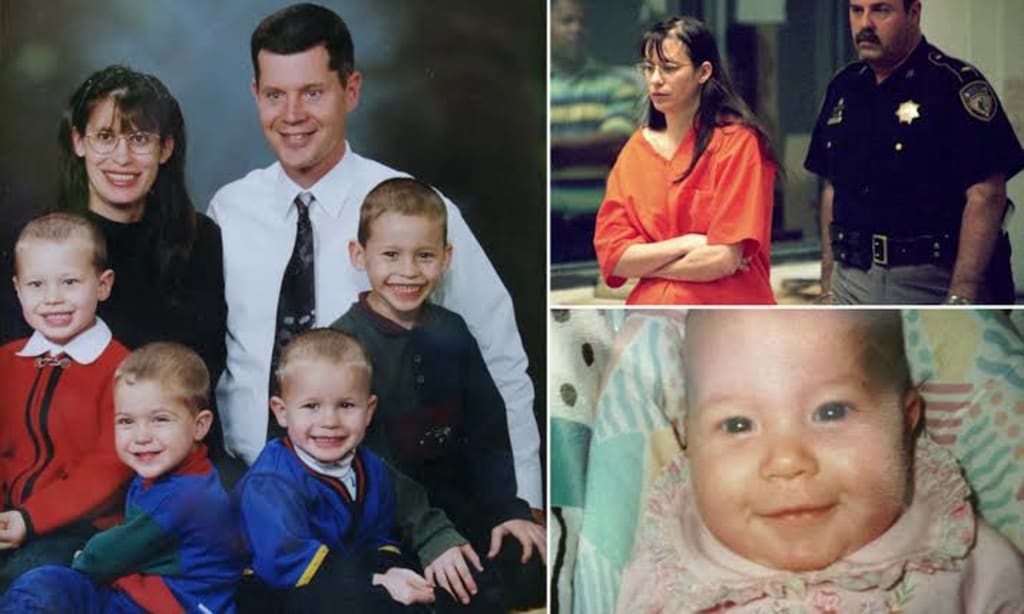
In June 2001, the city of Houston, Texas, was shaken by a harrowing tragedy that shocked the nation. Andrea Yates, a 37-year-old mother of five, drowned all her children in the family bathtub. The heartbreaking incident brought to light the devastating consequences of untreated postpartum depression and psychosis and sparked a national conversation about the lack of adequate mental health support for new mothers and individuals struggling with severe mental illnesses.
Andrea Yates' descent into darkness began after the birth of her fourth child in 1999. The burden of raising five children, coupled with the hormonal changes and emotional strain following childbirth, had a profound impact on her mental health. The burden of constant care-taking and societal expectations placed on mothers, especially those with multiple children, further exacerbated her stress.
As the weight of her responsibilities grew, Andrea Yates' mental state deteriorated rapidly. She began experiencing severe postpartum depression, a condition that affects roughly 1 in 7 new mothers. Unfortunately, her illness went undiagnosed, and she did not receive the necessary support and treatment. Moreover, her religious beliefs discouraged her from seeking medical attention, leading to further isolation and suffering.
The situation worsened when Andrea's postpartum depression developed into postpartum psychosis, a rare but severe mental disorder characterized by delusions, hallucinations, and irrational thoughts. In her psychotic state, Andrea believed that she was saving her children from eternal damnation by killing them. Her psychotic delusions were so overpowering that she was unable to differentiate reality from her twisted beliefs.
On that fateful day in June 2001, Andrea Yates committed the unthinkable act of drowning her five children, ranging in age from six months to seven years, in the family bathtub. The aftermath of the tragedy raised profound questions about the state of mental health care and support in the United States.
The case shed light on the inadequacies of the mental health system, particularly concerning postpartum depression and psychosis. It revealed a lack of awareness and understanding among medical professionals and society at large, leaving countless new mothers vulnerable to the debilitating effects of postpartum mental health disorders.
Furthermore, the Yates case underscored the need for better education and awareness regarding maternal mental health. It brought attention to the stigma surrounding mental illness, which often prevents individuals from seeking help and exacerbates the suffering of those struggling with mental health issues.
In the wake of the tragedy, advocacy groups and mental health organizations intensified their efforts to raise awareness about postpartum depression and psychosis. They campaigned for improved access to mental health services, increased screening and early intervention for new mothers, and destigmatization of mental health issues.
Moreover, the case also shed light on the challenges faced by families caring for individuals with severe mental illnesses. It exposed the complexities of providing adequate care and treatment for loved ones who suffer from debilitating psychological conditions, often requiring specialized attention, resources, and support.
Andrea Yates' trial and subsequent conviction sparked debates over the criminal justice system's approach to mental health cases. While the legal system held her accountable for her actions, many argued that her severe mental illness should have been taken into account, leading to a more compassionate and understanding approach to her treatment.
In conclusion, the tragic story of Andrea Yates serves as a stark reminder of the devastating consequences of untreated postpartum depression and psychosis. Her actions brought attention to the urgent need for better mental health support for new mothers and individuals with severe mental illnesses. The case prompted a national dialogue about mental health care, advocacy, and the challenges faced by families dealing with mental health issues. It is vital to learn from this heart-wrenching episode and work towards a society that prioritizes mental health, compassion, and understanding for those in need.
About the Creator
Keep reading
More stories from Kure Garba and writers in Criminal and other communities.
"Fatal Desperation: Mothers Who Took the Lives of Their Children"
In October 1994, Susan Smith, a young mother from Union County, South Carolina, committed a horrifying act that would shock the nation and break the hearts of millions. She took her two young sons, Michael, aged three, and Alexander, just 14 months old, on a car ride that would end in tragedy. Susan, for reasons that remain unclear, deliberately drove her car into John D. Long Lake, leaving her innocent children to meet a tragic fate.
By Kure Garba2 years ago in Criminal
Former Miss Universe Canada Delegate Files $500 Million Defamation Lawsuit Against Grant Cardone and Cardone Capital in Miami
MIAMI, FL — Chealse Sophia Howell, an internationally recognized model, entrepreneur, and former Miss Universe Canada titleholder, has filed a civil lawsuit against Grant Cardone and Cardone Capital, LLC in the Eleventh Judicial Circuit Court, Miami-Dade County (Case No. 25-024299-CA-01). The complaint, officially filed on December 11, 2025, alleges defamation and tortious interference, claiming that the defendants engaged in a coordinated campaign of false statements across multiple digital platforms.
By Dena Falken Esq2 days ago in Criminal
Miss Persephone's Manual to a Seemingly Ordinary Life
Miss Persephone was found at the dining table, her blue eyes swollen, her tears arriving and retreating like the tides of the ocean. Earlier that day, her family had visited her in the retirement home where she had lived for eight years. It was her eightieth birthday.
By Imola Tóth4 days ago in Fiction




Comments
There are no comments for this story
Be the first to respond and start the conversation.