
A tete-a-tete with a serial killer hunter
Learn of serial killers from an expert himself
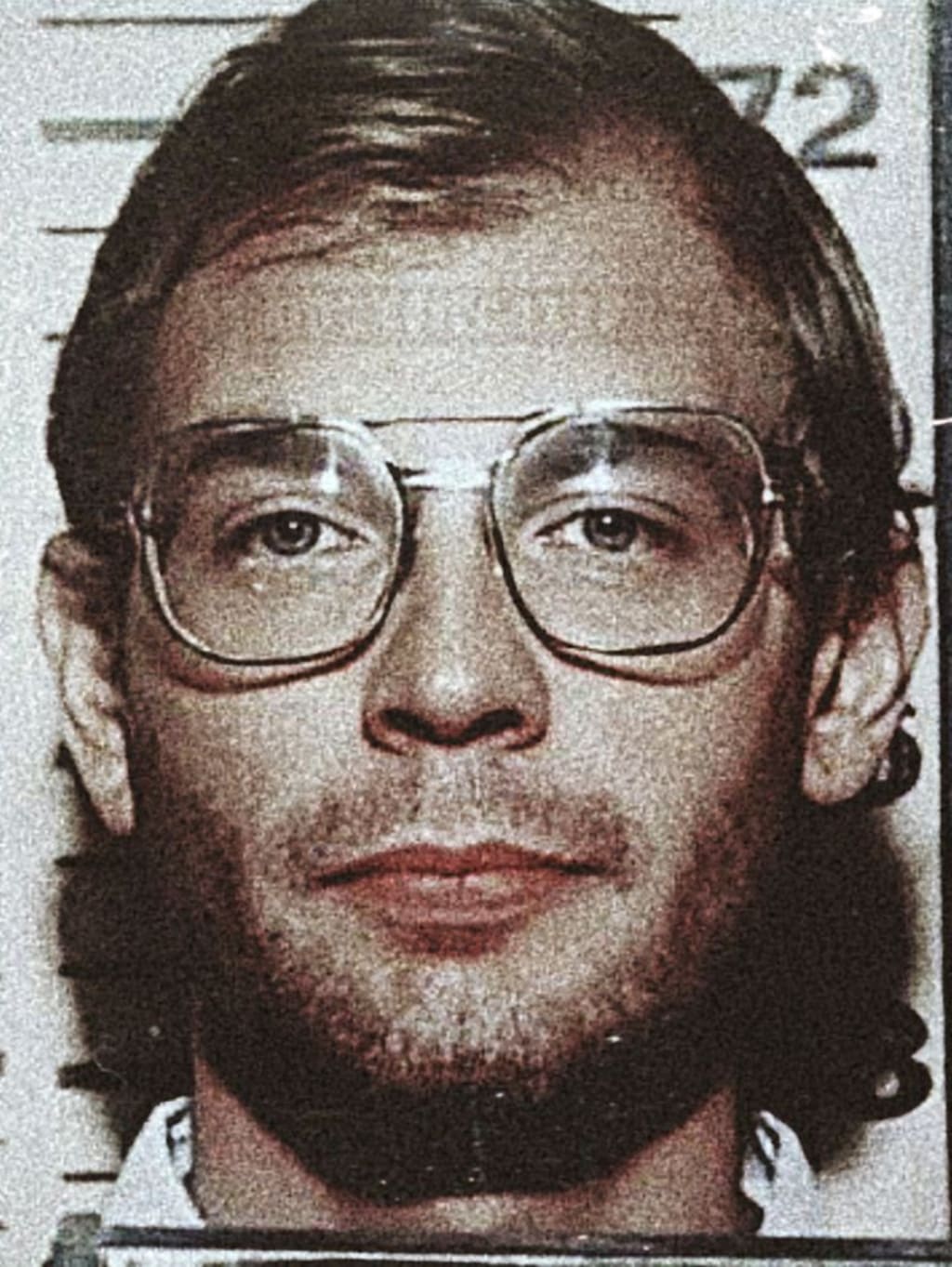
Today's tale is narrated by Mark Williams-Thomas, a former police detective and now an investigator of some of the most notorious and dangerous killers in the UK. He'll give us an inside scoop of how crime works.
What's is a serial killer in your own terms? The term "serial killer" is often misused. To be precise, a serial killer is someone who has murdered three or more people over a period of at least 30 days, with a "cooling off" period between crimes.
Do serial killers have an aura around them? Some serial killers project an aura of respectability or status, which can be deceiving. However, as someone who has thoroughly investigated three serial killer cases, I am not intimidated by them. I have a deep understanding of their behavior and motivations.
Could you give us some examples of the cases you have investigated?
The likes of
1. Peter Sutcliffe (Yorkshire Ripper): convicted of murdering 13 women and attacking many more.
2. Angus Sinclair: suspected of committing at least 10 unsolved murders beyond his known victims.
3. Peter Tobin: believed to be responsible for additional murders beyond his confirmed victims, with at least two more cases potentially linked to him through investigation.
Could you break down your investigation process for us?
In the realm of criminal investigation, profiling is a crucial initial step in unraveling the mystery of a murder. By meticulously examining the crime scene and surrounding circumstances, investigators strive to construct a comprehensive profile of the perpetrator. I had the opportunity to reexamine the case of Peter Sutcliffe, the notorious Yorkshire Ripper, who terrorized the UK in the 1980s, claiming the lives of 13 women and attempting to murder eight others.
Contrary to his initial diagnosis, I firmly believe that Sutcliffe did not suffer from schizophrenia. Instead, his behavior and actions align with the characteristics of a psychopath. If prosecuted today, he would likely be incarcerated in a mainstream prison rather than a psychiatric hospital.
Interestingly, some serial killers, like Ted Bundy, have a tendency to exaggerate their crimes, possibly driven by a desire for notoriety and ego gratification. This phenomenon highlights the complex psychological dynamics at play in the minds of these individuals. Serial killers often employ cognitive distortion to rationalize their heinous acts and convince themselves that they will evade detection.
In my experience, evidence is the linchpin of any successful investigation. Every serial killer exhibits some degree of narcissism, which can manifest in various ways. By meticulously analyzing the evidence and psychological patterns, investigators can gain a deeper understanding of the perpetrator's motivations and behaviors, ultimately leading to justice for the victims and their families..
What helps you identify a serial killer?
It's important to recognize that certain personality traits, such as psychopathy and narcissism, are present in various individuals without necessarily predisposing them to become serial killers. These traits are merely a part of the complex fabric of human psychology. Once a potential suspect has been identified, the investigation focuses on gathering concrete evidence to build a case. This encompasses not only forensic analysis but also a thorough examination of CCTV footage, victimology, and other external factors.
Understanding the victim's daily routine, interactions, and relationships is crucial in determining the motives behind the crime. Serial killers often exhibit a peculiar fascination with their crimes, leading them to return to the scene, as seen in the case of Peter Sutcliffe, the Yorkshire Ripper. His return to the crime scene was driven by a obsessive desire to ensure he hadn't left behind any incriminating evidence, such as the £5 note he had given to his victim.
The significance of DNA evidence cannot be overstated, as a single droplet of DNA, sweat, or blood can be enough to link the perpetrator to the crime scene. However, contamination and lack of continuity in handling evidence can compromise even the strongest cases. Moreover, while DNA can be a powerful tool, it's essential to demonstrate that the DNA found at the crime scene shouldn't be there, providing a crucial link between the suspect and the crime.
It's worth noting that the majority of murders are committed by someone known to the victim, making the investigation and evidence collection process even more critical. By meticulously gathering and analyzing evidence, investigators can build a robust case that brings justice to the victims and their families.
Talk to us about Angus Sinclair?
It's important to note that certain personality traits, such as psychopathy and narcissism, are present in individuals who do not necessarily engage in criminal behavior. Once a potential suspect has been identified, the investigation focuses on gathering evidence, including forensic elements, CCTV footage, and external factors. Victimology plays a crucial role in understanding the motivations behind the crime, as well as the victim's daily routine, interactions, and relationships.
Serial killers often exhibit a peculiar behavior, returning to the crime scene, as seen in the case of Peter Sutcliffe, the Yorkshire Ripper. His return was motivated by a desire to ensure he hadn't left behind any incriminating evidence, such as the £5 note he had given to his victim. Although DNA evidence can be a powerful tool, its significance can be compromised by cross contamination, lack of continuity, and the need to prove that the DNA found at the crime scene shouldn't be there.
It's worth noting that the majority of murders are committed by someone known to the victim, making thorough investigation and evidence collection even more critical. By meticulously gathering and analyzing evidence, investigators can build a robust case that brings justice to the victims and their families.
What modern day technology do you now employ in tracking serial killers?
As an investigator, I've found that tracking takes many forms. Technology has been a game-changer, enabling me to use listening devices, probes, phone intercepts, and decoy packages with trackers. I must ensure I'm operating within legal boundaries, obtaining the necessary authority and maintaining proportionality.
I've used various tactics, including implanting listening devices in homes, deploying "lumps" (trackers) on vehicles for real-time location monitoring and audio surveillance, and leveraging social media to gather intelligence on suspects. I carefully analyze their online footprint, connections, and personal information.
These strategies, combined with technological advancements, help me gather crucial evidence while staying on the right side of the law. I must be mindful of the fine line between effective investigation and individual privacy, always ensuring my methods are justified and legal.
How have serial killers evolved?
The CSI effect has made offenders more aware of the importance of distance and jurisdictional boundaries in evading detection. They exploit the lack of inter-force communication and the absence of a national database for unsolved murders. This allows them to commit crimes in different areas, confident that their actions won't be linked. Serial killers often taunt the police, feeling emboldened by their ability to evade capture. This highlights the need for better communication and a centralized database to connect the dots between crimes and bring these criminals to justice.
Do you get any false suspects?
I've encountered a frustrating phenomenon where individuals falsely claim to be serial killers, seeking notoriety and fame. This can significantly hinder my investigations, as seen in the cases of the Zodiac Killer and the Yorkshire Ripper (Wearside Jack). These hoaxers divert valuable resources away from the actual investigation, causing harm not only by wasting police time but also potentially allowing the real killer to remain at large, as was the case with Peter Sutcliffe. I must remain vigilant and critically evaluate such claims to ensure that my investigation remains focused on the true perpetrator.
Talk about the arrest process?
The arrest of a serial killer is a meticulously planned operation, similar to any other homicide suspect. Once reasonable grounds for arrest are established, the priority is to execute the arrest swiftly and securely, minimizing disruption and maximizing evidence collection. The greatest challenge lies in ensuring a successful arrest, as failure can have severe consequences, including the suspect's escape or disappearance, hindering the investigation and denying justice to victims and their families.
What motivates you during investigations? Providing answers to families and loved ones of victims is crucial, and investigators strive to deliver justice and closure. However, when a serial killer escapes or disappears, it can be a significant failure, leaving families without the answers they desperately seek. While serial killers rarely confess voluntarily, some may admit their crimes when apprehended, as seen in the case of Peter Sutcliffe, who finally confessed when arrested for an unrelated offense, revealing his true identity as the Yorkshire Ripper.
Do you ever interrogate these killers?
I've had extensive experience conducting interviews with offenders and alleged offenders through my work in television and risk assessments. My approach is to start with casual conversation starters like "How was last night?" or "What do you think of this place?" to build rapport and establish a comfortable atmosphere. Then, I gradually steer the conversation towards more sensitive topics, making sure to periodically return to comfortable ground to maintain the flow. I'm also familiar with the good cop, bad cop technique and the importance of taking control of the interview by removing barriers, like tables, and avoiding letting the suspect take the lead. Effective interviewing is about creating a strategic dynamic to elicit valuable information.I
Could you walk us through any of those?
Peter Tobin and Angus Sinclair demonstrated vastly different approaches during interviews. Tobin would become enraged, lashing out with violent aggression, making meaningful conversation impossible. On the other hand, Sinclair remained silent, revealing nothing. However, during his interviews, I noticed moments where he seemed poised to divulge crucial information, only to revert to silence. Notably, his brother's intervention during the 1961 investigation proved pivotal, as he encouraged Sinclair to confess to the murder of Catherine Reehill. These experiences underscore the complexities of dealing with offenders and the importance of strategic interviewing techniques.
Does body language help?
Here's a rewritten version with more detail:
The notion that body language is a foolproof way to detect deception is a common misconception. In my experience, it's the evidence that truly holds the power to uncover the truth. I vividly recall the case of Stuart Hazell, who was accused of murdering Tia Sharp. During our intense interview, he maintained eye contact and presented a convincing facade, but the evidence ultimately revealed his guilt. Despite his attempts to deceive, the evidence exposed his lies, leading to his arrest and subsequent conviction. In fact, my interview with Hazell was played in court as key evidence, highlighting the importance of relying on concrete evidence rather than solely on body language or intuition. This case serves as a reminder that evidence is the cornerstone of justice, and that a thorough investigation is essential to solving crimes.
Have there been false imprisonments?
The leading cause of false imprisonment is the fixation of investigators on a specific hypothesis or suspect, leading to a tunnel vision that disregards contradictory evidence. This phenomenon has resulted in notorious miscarriages of justice, such as the case of Barry George, wrongly convicted of murdering Jill Dando. Despite my thorough investigation, it became clear that George was innocent. The police had become fixated on him as the prime suspect and selectively gathered evidence to secure a conviction, which was later overturned due to its flimsiness. This case highlights the dangers of investigative fixation and the importance of considering alternative perspectives. Moreover, serial killers often evade detection for years, and their initial arrest may only be for a fraction of their total victims, leaving many crimes unsolved.
Any examples of this?
Angus Sinclair's case is a chilling example of how serial killers can evade justice initially, only to be convicted later with additional evidence. Sinclair was prosecuted twice for two murders but claimed consent as his defense, resulting in no convictions. It wasn't until further evidence emerged that he was finally convicted of three murders and one manslaughter in 1961, including the murder of Catherine Reehill.
Similarly, the Yorkshire Ripper's early victims, who were sex workers, were initially dismissed by the police, with the first five victims not being recognized as genuine victims until later. This highlights how societal attitudes and biases can hinder investigations and allow serial killers to continue their crimes.
As you pointed out, serial killers may be prosecuted early in their offending but get away with it, only to continue their heinous crimes. This underscores the importance of thorough investigations, evidence-based convictions, and a nuanced understanding of the complexities surrounding serial killers' behavior.
What's your opinion of the criminal justice system?
The criminal justice system requires improvement. The minimum sentence for murder is life imprisonment, but there are variations in sentencing. The United States has a lower conviction rate for murder compared to the United Kingdom, which may be attributed to differences in the criminal justice system, court processes, and public perception.
Victims' testimonies are crucial, but they often face challenges, including feeling vulnerable and unheard. This can lead to a reluctance to provide evidence, resulting in lower prosecution rates.
A balance between punishment and restoration is essential. While punishment is necessary, especially for serial killers, restorative justice is also important. It involves understanding the motivations and impact of their crimes, acknowledging the harm caused to victims and their families, and taking responsibility for their actions. This approach can lead to rehabilitation and prevention of future offenses.
However, the current criminal justice system often prioritizes punishment over restoration, neglecting the need for offenders to confront the consequences of their actions and make amends. Reform is necessary to strike a balance between punishment and restorative justice, ensuring that serial killers are held accountable while also addressing the root causes of their behavior.
What's your professional background?
I have a fascinating background. I was a school captain and had the opportunity to participate in a sports exchange in New Zealand to play rugby. However, I decided to join the police force instead. While I don't have any major regrets in life, I do wish I had put my police career on hold and pursued rugby. This decision suggests that I value experiences and personal growth, and I consider this path not taken as one of my few regrets.
Has your exposure to the gory lives of serial killers affected you?
Over the past 2 ½ years, my mental health has struggled to cope with the trauma I've experienced. I've hit rock bottom, but I've come to realize that it's not just personal issues, but also the cumulative effect of my work in law enforcement. I've seen the worst of humanity, the devastating impact of crime on victims and their families. Despite this, I remain committed to my job and caring for others. It's a crucial part of who I am, and I fear that if I didn't have this purpose, I'd become a different person. Acknowledging the toll my work has taken on my mental health is the first step towards healing and finding a way to move forward.
So what else do you do to inform the general public?
I am aware of the significant influence the media has on public perception. My goal is to create programs that provide valuable insights and answers to the public. My work focuses on presenting evidence and utilizing my skills to shed light on important cases. One of my most notable contributions was exposing the truth about Jimmy Savile, which led to widespread media coverage and the subsequent arrest and prosecution of several high-profile individuals, including Rolf Harris and Max Clifford. I also produced a Netflix series called 'The Investigator' and conducted the first interview with Oscar Pistorius.
So what do you think of serial killers?. What's your opinion?. Let us know in the comment section below.Check out the Netflix series as well and please let us know what you think.
Remember its your 24hrs to enjoy.Stay blessed. Stay bubbly.
About the Creator
Keep reading
More stories from Ekeke Divine Favour and writers in Criminal and other communities.
Are "healthy" drinks actually beneficial to your health
The US healthy drinks market has experienced a remarkable surge, swelling to a staggering $9.2 billion, equivalent to 10% of the entire drinks industry. This impressive growth represents a 50% increase since the COVID-19 pandemic began, reflecting a shift in consumer priorities towards healthier choices. As health consciousness continues to rise, these drinks gain popularity, but questions arise: do they genuinely deliver on their health promises, and are they worth the premium price tag? The concept of functional drinks is evolving beyond traditional stimulants like coffee, energy drinks, and alcohol, which provide a temporary buzz or energy boost. Now, a new wave of functional drinks is emerging, marketed as healthier alternatives that promise to not only quench thirst but also provide specific benefits, such as improved gut health, immunity, or mental clarity. These drinks often feature ingredients like probiotics, adaptogens, and antioxidants, appealing to consumers seeking a more holistic approach to their beverage choices. The term "functional drinks" has become synonymous with healthy drinks, boasting ingredients like probiotics for gut health, adaptogens for calmness, nootropics for brain well-being, and CBD for relaxation. While functional drinks have been consumed for centuries, with tea and coffee being prime examples, the modern industry began to take shape in the 1980s with the rise of Red Bull, a pioneer in the energy drink market. Since then, the industry has expanded exponentially, driven by consumer demand for beverages that not only taste good but also provide specific health benefits. Dietrich Mateschitz, an Austrian entrepreneur, discovered a popular energy drink in Thailand in 1982 and envisioned its potential among European consumers. He adapted the recipe, creating Red Bull, which became a massive success. Red Bull's clever marketing positioned it as a energizing complement to a fast-paced lifestyle, claiming to enhance endurance, reaction speed, and concentration. Although the evidence for these claims was lacking, Red Bull became the pioneer of functional drinks, containing caffeine, sugar substitutes, B vitamins, and taurine. Forty years later, the demand for functional drinks persists, but consumer preferences have shifted towards healthier, more natural ingredients and proven benefits, driving the industry's evolution. The growing awareness of the harmful effects of ultra-processed foods and environmental pollution has sparked a desire for healthier alternatives. Consumers are seeking simple switches to improve their well-being, driving the rapid growth of the functional beverage industry. Brands are responding by creating drinks that not only avoid harmful ingredients but also offer potential health benefits, such as gut health support and mental well-being enhancement. The gut-brain connection has become a key focus, with the idea that nourishing gut health can have a positive impact on overall well-being. This trend has led to a surge in innovative drinks that promise to support holistic health and happiness. The involvement of celebrities in the functional drinks industry is a clear indicator of its popularity and potential for growth. Many celebrities, such as Logan Paul, Dwayne "The Rock" Johnson, Katy Perry, and Bella Hadid, are launching their own functional drinks lines, capitalizing on the trend. However, despite the hype, there is limited scientific evidence to support the effectiveness of these drinks in delivering their promised benefits. Moreover, celebrities are also endorsing kombucha, a probiotic drink, which has gained widespread attention, but its health benefits are also not extensively scientifically proven. This phenomenon highlights the power of influencer marketing and consumer desire for healthy beverages, but also raises questions about the regulation and substantiation of health claims in the industry. The probiotic drinks industry is experiencing remarkable growth, projected to surge from $40 billion to $99 billion by 2033. This sector comprises two main types of drinks: prebiotic sodas, which prepare the gut to absorb nutrients, and probiotic drinks, which introduce healthy bacteria to enhance well-being. While these drinks aim to support gut health, their efficacy is difficult to determine due to the lack of FDA regulation and scientific oversight. Despite making bold health claims, these drinks operate outside a rigorous scientific framework, raising concerns about their actual benefits and potential risks. This highlights the need for more research and regulatory scrutiny to ensure consumer safety and informed decision-making. The packaging of these functional drinks is indeed a significant factor, appealing to consumers' desire for trendy ingredients like probiotics, nootropics, adaptogens, and CBD. However, the lack of scientific requirements and labeling transparency raises concerns. Brands don't need to disclose specific strains, concentrations, or detailed information, making it difficult for consumers to make informed decisions. Moreover, the science behind gut health and its connection to overall well-being is still in its early stages, and the effects of these ingredients are not yet fully understood. Despite this, these drinks are making bold claims and commanding premium prices, three times that of soda, without conclusive evidence to support their benefits. This highlights the need for more research, regulation, and transparency in the industry. When navigating the supermarket aisle, here's a smart approach to choosing functional drinks:
By Ekeke Divine Favour2 years ago in Longevity
Ken Childs and the Shadow Network Behind Celebrity Surveillance
Hollywood is no stranger to intrigue. Behind the red carpets, blockbuster premieres, and glamorous headlines lies a parallel world where privacy is fragile and information can be extremely valuable. Over the years, celebrities have faced stalkers, hackers, and fraud schemes designed to exploit their wealth and visibility. Recently, reports circulating online have drawn attention to a controversial narrative involving private investigator Ken Childs and allegations that place him near the center of a disturbing story about celebrity surveillance.
By Shane Smith7 days ago in Criminal




Comments
There are no comments for this story
Be the first to respond and start the conversation.