
A Haunting Crime: The Murder of 9-year-old Elizabeth Olten
Alyssa Bustamante, a troubled teenager from Missouri, committed a horrifying crime in 2009 by murdering 9-year-old Elizabeth Olten. Her case highlighted the intersection of mental health and the legal system for juvenile offenders. Despite a history of mental health struggles, Alyssa was convicted of second-degree murder and armed criminal action, receiving a life sentence with the possibility of parole after 35 years. The case brought attention to the need for better mental health support systems and early intervention programs for young individuals. It also sparked debates on finding the right balance between accountability and rehabilitation for juveniles with mental health challenges.
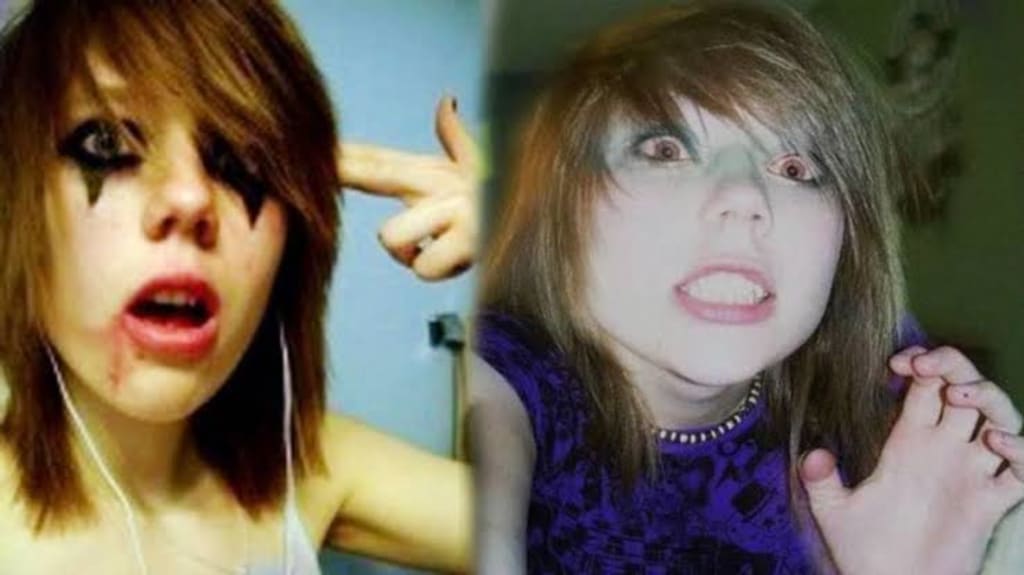
Alyssa Bustamante's case shocked the nation in 2009 when the young teenager committed a heinous act that took the life of 9-year-old Elizabeth Olten in St. Martins, Missouri. Born on January 28, 1994, Alyssa had a troubled upbringing, characterized by a history of mental health struggles and self-harm. Her actions and the disturbing nature of the crime raised questions about the role of mental health in the legal system and the complexities of dealing with juvenile offenders.
On October 21, 2009, Alyssa, then 15 years old, lured her 9-year-old neighbor, Elizabeth Olten, into the woods under the pretense of playing together. Once in the secluded area, Alyssa attacked Elizabeth, strangling her and stabbing her multiple times. The brutality of the crime sent shockwaves through the local community and drew national attention.
Alyssa's actions immediately raised concerns about her mental state and history of mental health issues. In the past, she had been diagnosed with depression, self-harm tendencies, and had even been hospitalized for psychiatric treatment. Her social media posts and personal writings revealed a deeply troubled and emotionally distressed young girl.
After committing the murder, Alyssa attempted to conceal her crime by burying Elizabeth's body in a shallow grave. However, her actions did not go unnoticed, and investigators quickly identified her as the prime suspect. Alyssa was arrested and charged with first-degree murder, and the case received widespread media coverage, sparking debates about juvenile justice and mental health in the legal system.
During her trial, the prosecution presented overwhelming evidence against Alyssa, including her own confession to the crime. They argued that the murder was premeditated and that Alyssa had meticulously planned the act, indicating a level of depravity beyond what could be attributed solely to her young age.
In contrast, Alyssa's defense team focused on her mental health struggles, seeking to portray her as a troubled individual who was not in full control of her actions. They argued that her history of depression and self-harm should be considered as mitigating factors in her sentencing.
The trial's outcome was met with a mix of emotions and opinions. On February 8, 2012, Alyssa Bustamante was convicted of second-degree murder and armed criminal action. She received a sentence of life in prison with the possibility of parole after serving 35 years. The sentence took into account her age at the time of the crime and the acknowledgment of her troubled mental state.
The case of Alyssa Bustamante brought attention to the complexities of dealing with juvenile offenders who have a history of mental health issues. It sparked debates about the appropriate balance between accountability for criminal actions and rehabilitation for young individuals struggling with mental health challenges.
Moreover, the case shed light on the need for improved mental health support systems and early intervention programs to address mental health issues among young people. Alyssa's history of self-harm and depression, if adequately addressed earlier in her life, might have prevented the tragic outcome that occurred.
As time passed, Alyssa's case continued to be a subject of public interest and discussions on juvenile justice reform. Some argued that she should have received a harsher punishment given the severity of her crime, while others empathized with her troubled past and believed that rehabilitation should be a significant focus of the legal system.
In conclusion, Alyssa Bustamante's case serves as a haunting reminder of the consequences of untreated mental health issues and the complexities of dealing with juvenile offenders in the legal system. The murder of 9-year-old Elizabeth Olten sparked debates on the intersection of mental health and criminal accountability for young individuals. Alyssa's troubled past and history of mental health struggles raised questions about the importance of early intervention and improved support systems to prevent such tragedies from occurring in the future.
About the Creator
Keep reading
More stories from Kure Garba and writers in Criminal and other communities.
The Tragic Crime of Joshua Phillips: A Dark Day in Florida's History
Joshua Phillips is an American man who gained notoriety for a gruesome crime he committed in 1998. Born on March 17, 1984, in Jacksonville, Florida, he grew up in a seemingly ordinary middle-class family. However, tragedy struck when he was just 14 years old, leading him down a dark and violent path.
By Kure Garba2 years ago in Criminal
A Real Story: The Day Ameneh Bahrami Lost Her Sight
In 2005, Tehran woke up to what seemed like an ordinary morning. Buses were running, offices were opening, and students were heading to their universities. The city was moving through its usual routine. No one knew that, in one small part of the city, a tragedy was about to occur—one that would later shock the entire world.
By shakir hamid3 days ago in Criminal
"The Burlap Sack" Evidence: How Yeadon Police Caught the Ephrata Bone Collector
The Trap is Sprung On January 6, 2026, Jonathan Gerlach got into his 2008 Toyota RAV4 and drove to Delaware County. He likely believed it was just another "shopping trip" to his favorite supply store: Mount Moriah Cemetery.
By Sunshine Firecracker3 days ago in Criminal




Comments
There are no comments for this story
Be the first to respond and start the conversation.