
A Filmmaker's Guide to: Crime on Film
Film Studies (Pt.131)

In this chapter of ‘the filmmaker’s guide’ we’re actually going to be learning about literature and film together. I understand that many of you are sitting in university during difficult times and finding it increasingly hard to study and I understand that many of you who are not at university or not planning on it are possibly stuck of what to do, need a break or even need to catch up on learning film before you get to the next level. This guide will be brief but will also contain: new vocabulary, concepts and theories, films to watch and we will be exploring something taboo until now in the ‘filmmaker’s guide’ - academia (abyss opens). Each article will explore a different concept of film, philosophy, literature or bibliography/filmography etc. in order to give you something new to learn each time we see each other. You can use some of the words amongst family and friends to sound clever or you can get back to me (email in bio) and tell me how you’re doing. So, strap in and prepare for the filmmaker’s guide to film studies because it is going to be one wild ride.
Crime on Film
What is it?
Crime cinema started off during the horror and fantasy phases of the silent era and because of the way it worked back then and until around the mid-1930s, the criminal would always need to be punished in order to follow the law of the time. Before what is called "The Hayes' Code" was dropped, the film industry avoided glamorising crime and so, criminals were depicted as evil, were punished harshly and more than often, they were considered monstrous.
When the Hayes' Code was dropped and there were no longer these regulations for criminals to be punished, one of the first films to come out of this was the very first adaptation of "Scarface" at the end of the 1930s. From then on, there were many films made in which the criminal would not get punished and often, their crimes were glamorised. This, in turn, led to the creation and commercialisation of gangster films.
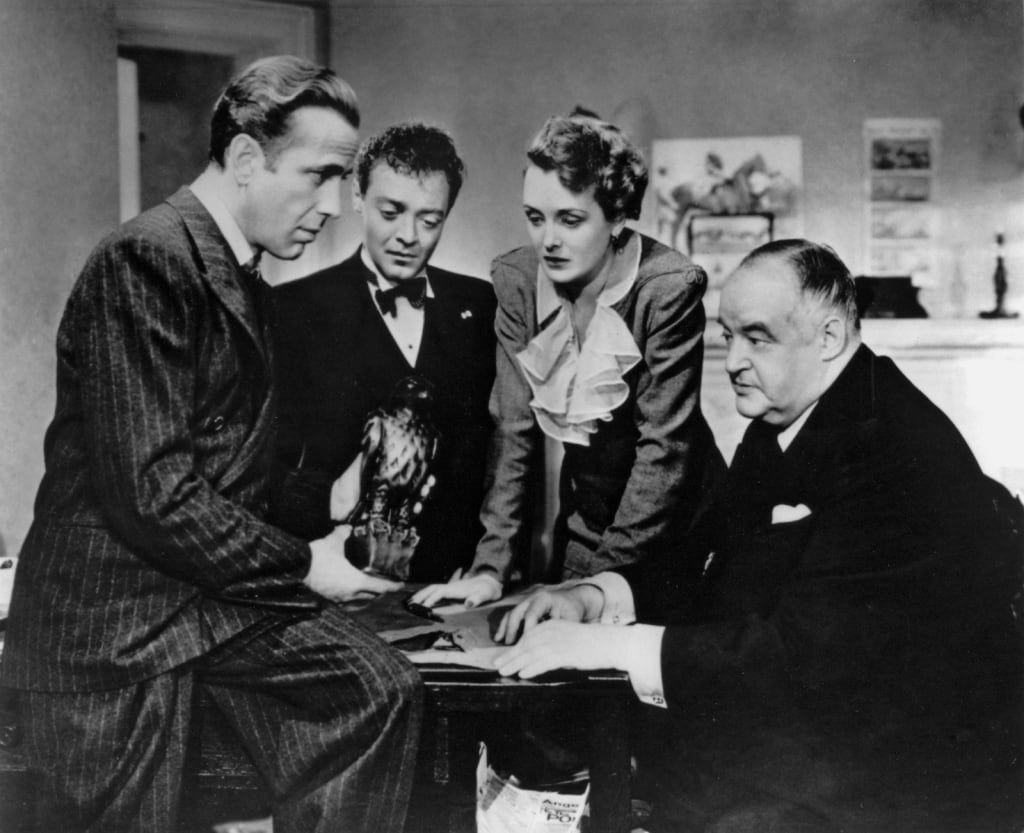
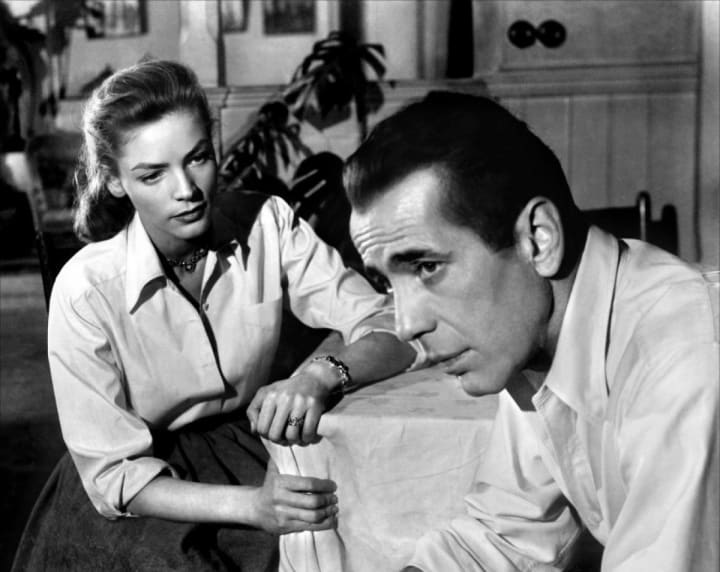
During the 1940s and 50s though, crime on film took a turn back to punishing the criminal, but instead of simply focusing on how much of a monster the criminal was - these films would make the detective some sort of hero and have them investigate what is sometimes deemed a 'perfect crime', uncovering the criminal in the process. Gaining traction and being based on books by writers such as Dashiell Hammett and Raymond Chandler - these were dubbed 'film noir' and commonly had beneath it some sort of doomed or secret love story.
Why is it used?

Crime on film is used simply because crime in fiction became so popular. The Golden Age of British Detective and Crime Fiction came about in the 1930s (and you will find a grand collection in them if you search up the British Library's Crime Classics) and the rise of crime, noir and the hard-boiled detective story was becoming more and more common in the USA. Crime was always a sensational topic ever since the days of the writing of Sherlock Holmes and the attacks of HH Holmes and Jack the Ripper. Penny Dreadfuls in the UK amounted for the great interest in the horror associated with the criminal story. But the one thing that always interests the audience is the solving of a 'perfect crime'.
Gladly, we are seeing a resurgence in popularity of crime shows and films. It has become synonymous with something called 'morbid curiosity'. This I think is a misunderstanding. I think that most people, like myself, watch crime shows in order to see how from something as simple as a shoe print or a hat - a near-unknown criminal can be captured and what that process entails. Public interest stories have always done massively well but none like the crime and detective story. It fascinates us all.
Conclusion
For further knowledge into the fascination of the genre of crime, I suggest you take a look through the British Library Crime Classics series and films such as "The Maltese Falcon", "The Big Sleep" and yes, even "Key Largo" - most of Humphrey Bogart's filmography basically.
About the Creator
Annie Kapur
I am:
🙋🏽♀️ Annie
📚 Avid Reader
📝 Reviewer and Commentator
🎓 Post-Grad Millennial (M.A)
***
I have:
📖 280K+ reads on Vocal
🫶🏼 Love for reading & research
🦋/X @AnnieWithBooks
***
🏡 UK
Keep reading
More stories from Annie Kapur and writers in Criminal and other communities.
Book Review: "Love as Always, Mum" by Mae West
When we talk about true crime, we normally speak about the person who wrote the book as simply an author - someone who had done their research, spoken to people, compiled evidence of psychologists and forensics to paint a close analysis of this criminal in question. However, in this true crime book, no research was needed. This may have been the author of the book but she was also the daughter of the killers - bearing witness and often suffering their brutality.
By Annie Kapur5 years ago in Criminal
Study reveals Louisiana State Police uses force disproportionately against Black people
It’s not the NYPD or LAPD that’s the news for using excessive force but the Louisiana State Police Department. In cases where women have been dragged on the pavement by a cop with a chip in his shoulder to the fact that cops chase after whomever is speeding, only the numbers tell the tale.
By Skyler Saunders2 days ago in Criminal
Miss Persephone's Manual to a Seemingly Ordinary Life
Miss Persephone was found at the dining table, her blue eyes swollen, her tears arriving and retreating like the tides of the ocean. Earlier that day, her family had visited her in the retirement home where she had lived for eight years. It was her eightieth birthday.
By Imola Tóth2 days ago in Fiction


Comments
There are no comments for this story
Be the first to respond and start the conversation.