
11 Dead, No Answers: The Haunting Mystery of the Burari Family
Inside a Family's Descent into Blind Faith

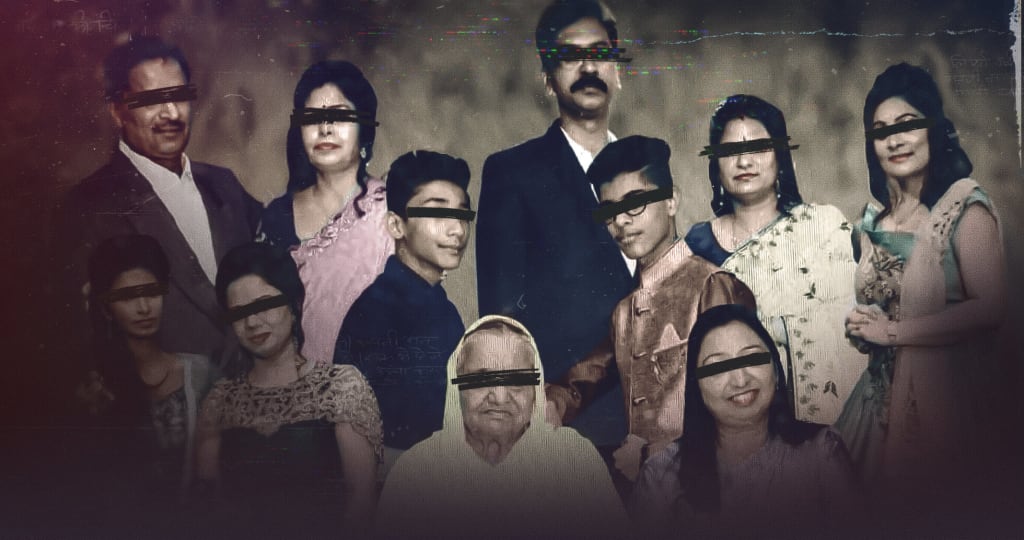
11 Bodies. One Family. No Witnesses. On the morning of July 1, 2018, Delhi police made a discovery that would leave an entire nation in shock. In the crowded streets of Burari, North Delhi, 11 members of the same family were found dead—10 hanging in a circular formation, blindfolded and gagged, and the eldest found in another room.
Was it a mass suicide? A murder? A ritual gone horribly wrong? The answers only led to more questions.
The Chundawat (Bhatia) Family
The victims were from the Chundawat family, also known as the Bhatia family—a well-respected, middle-class household. They ran a grocery store and plywood business. According to neighbors, they were kind, disciplined, and deeply religious.
The day before their deaths, they were preparing for a family wedding. Nothing seemed off. No signs of financial distress. No visible mental health issues. Which is why the event was more astonishing.
Despite their outward normalcy, the tragedy revealed deep, hidden complexities and emotional struggles within this joint family. Their lives appeared tightly knit, but they were driven by rituals and superstitions that would ultimately lead to an unimaginable end.
Bhopal Singh: The Patriarch's Shadow
The turning point came in 2007 with the death of Bhopal Singh, the family patriarch. A respected and authoritative figure, his passing left a leadership vacuum. So, now the leading position of the family is taken over by Lalit, the youngest son.
Lalit had experienced traumatic events including losing his voice for years. Few weeks after Bhopal Singh's death he began to claim that Bhopal Singh’s spirit communicated with him. The family, grieving and vulnerable, believed he was a divine conduit. They trusted his visions, instructions, and rituals—believing Bhopal Singh was still guiding them through Lalit.
The Diaries: Clues Left Behind
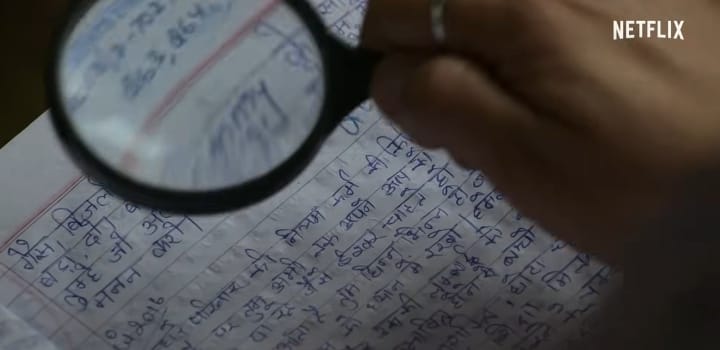
The police recovered 11 diaries spanning over 11 years. These journals revealed a chilling narrative. They contained instructions for daily life, coded spiritual messages, and detailed plans for the mass ritual that ended their lives.
The writings seemed to come from Lalit, who claimed to be channeling Bhopal Singh’s spirit. Over time, the family saw the instructions as sacred—like source of financial success, peace, and unity within the family.
This phenomenon highlights the psychological control Lalit had over the family. Despite being educated and socially active, they were drawn deeper into spiritual delusions under the guise of protection and guidance.
Mass Psychosis, Ritual, or Control?
Experts believe this was a case of shared psychosis, or "Folie à famille"—a rare condition where delusions are transferred from one person to a group. Lalit’s traumatic history and emotional instability became the foundation for an alternate belief system.
Though Lalit may have begun as a troubled individual, he gradually manipulated the family’s trust and spiritual beliefs to create a world where he was the intermediary between life and the afterlife. Through ritualistic behaviors, voice commands, and diary entries, he orchestrated an environment where no one questioned him.
Was it deliberate control? A coping mechanism? A spiritual delusion? Perhaps all three.

Media Sensation and Netflix Adoption
The case caught national and international attention. Media houses swarmed Burari. Social media was flooded with speculation. In 2021, Netflix released a documentary titled "House of Secrets: The Burari Deaths", which got a good fame.
The documentary revealed how educated, loving family members could fall prey to blind faith under psychological influence. It painted a disturbing but empathetic picture of how spiritual obsession can spiral into tragedy.
What We Still Don’t Know
Despite forensic reports, police investigations, and psychological analyses, one question lingers:
Why didn’t anyone stop it?
The family had friends, customers, and neighbors. They weren’t isolated from the world. Yet the strong internal hierarchy, psychological dependence, and spiritual narrative formed an impenetrable bubble. Even more haunting is the fact that their deaths followed the diary instructions with precision, suggesting they did not see it as death—but as a spiritual transition, expecting to return. Pretty horrific!!
Conclusion: A Lesson in Blind Faith
The Burari Death Case is not just a tale of mystery—it’s a mirror to the hidden dangers of unquestioned belief, patriarchal control, and untreated trauma. It forces us to examine how rituals, when misinterpreted or manipulated, can destroy even the closest-knit families.
“Faith is not dangerous. Blind faith is.”
Let us remember the 11 lives lost—not just in shock and fear, but in understanding and reflection. The tragedy of Burari must serve as a wake-up call about the mental health crises and superstitious tendencies we too often ignore.
About the Creator
Tanvir Rashik Shafim
I'm an enthusiastic writer|| I write to shed light on the topics that impact us all but often go unnoticed|| From social reflections to sometimes a pinch of history; my goal is to inspire curiosity and spark meaningful conversations
Keep reading
More stories from Tanvir Rashik Shafim and writers in Criminal and other communities.
How a father kept her daughter alive on a detergent packet
“Nirma… Washing powder Nirma….” This Indian detergent commercial jingle was once very popular. The song had become a kind of cult song all over India as a laundry powder song. You may remember the little girl in the white frock on the detergent packet.
By Tanvir Rashik Shafim 3 years ago in Families
The Murder Sheet Podcast links TX killing To KY Cold Case
At a time when violent crimes are at historical lows (despite what the current administration claims), there are more true-crime podcasts, books, TV shows, and general interest in the genre. True-crime podcasts are extremely expensive to make because of research costs, public records requests, potential investigator fees, out-of-studio recording costs, and production expenses.
By Frank Racioppi5 days ago in Criminal
Study reveals Louisiana State Police uses force disproportionately against Black people
It’s not the NYPD or LAPD that’s the news for using excessive force but the Louisiana State Police Department. In cases where women have been dragged on the pavement by a cop with a chip in his shoulder to the fact that cops chase after whomever is speeding, only the numbers tell the tale.
By Skyler Saunders5 days ago in Criminal



Comments (2)
This story is truly mind-blowing. It's hard to fathom how a seemingly normal family could end up like this. The role of superstition and the aftermath of the patriarch's death seem like key factors. I wonder how much more we'll learn from those diaries. What do you think was the most crucial piece of information they held?
Interesting, I've never heard of this case before. I'll have to watch the Netflix documentary now