
Your Body, Your Temple: The Science of Self-Care give
"Exploring the Connection Between Physical Health, Mental Well-Being, and Everyday Habits"

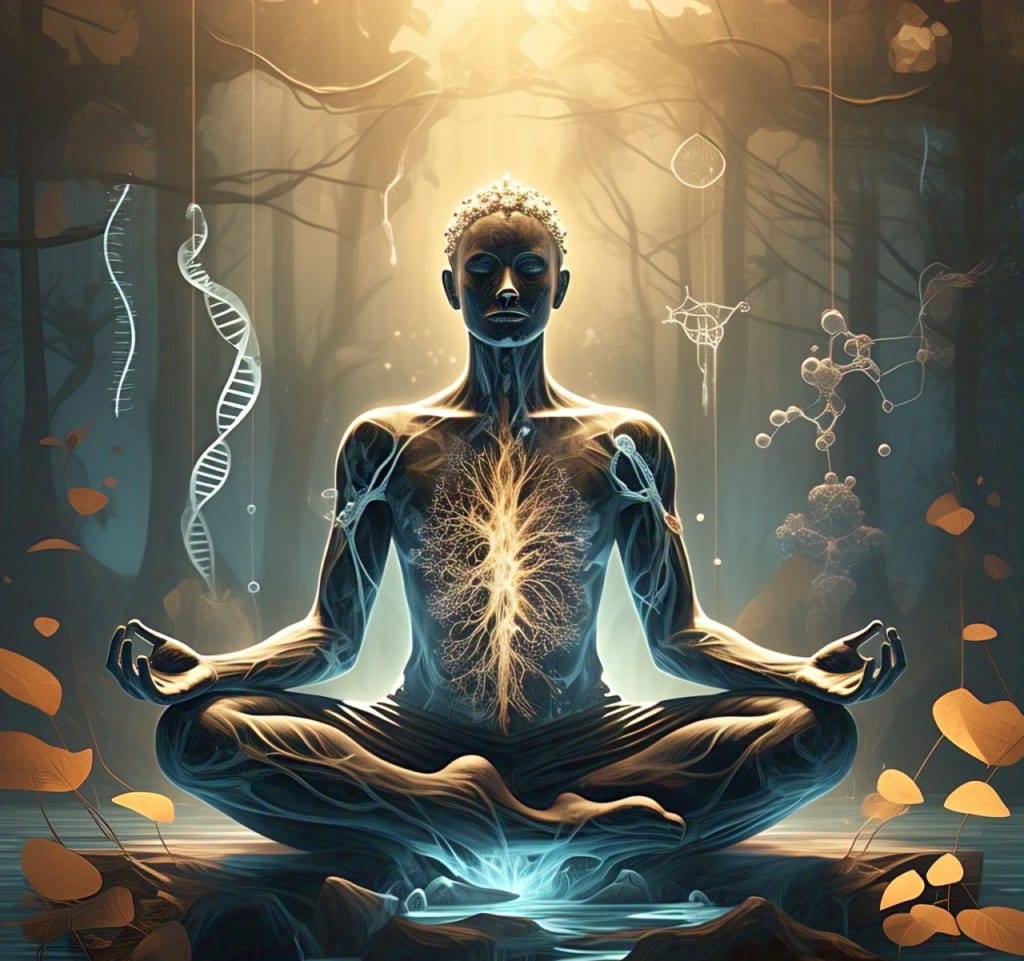
In a world that constantly demands our attention and energy, it’s easy to overlook the very vessel that carries us through life—our body. We push through sleepless nights, skip meals, and drown stress in screens and caffeine. But the truth is simple and powerful: our bodies are temples, and how we care for them shapes not just our physical health, but our mental and emotional well-being. Self-care isn't just a trendy concept; it's rooted in biology, psychology, and centuries of wisdom. Understanding the science behind self-care can empower us to make better choices and build a sustainable lifestyle of wellness.
- The Body-Mind Connection
Science has confirmed what many ancient cultures have long known: the body and mind are deeply interconnected. What we do with our bodies affects our brains, and vice versa. Physical health influences mood, focus, and stress levels. For example, regular exercise releases endorphins—neurochemicals that reduce pain and boost feelings of happiness. Meanwhile, lack of sleep or poor nutrition can lead to irritability, brain fog, and even anxiety or depression. On the flip side, mental stress impacts the body. Chronic stress triggers the release of cortisol, a hormone that, in high levels over time, can lead to high blood pressure, weight gain, and a weakened immune system. It's a loop—your mental state affects your body, and your physical habits affect your mind.
- Fueling the Temple: Nutrition Matters
What you eat literally becomes part of your body. Nutrients from food are used to build cells, power brain function, and support everything from your heartbeat to your immune defense.A balanced diet rich in whole foods—fruits, vegetables, lean proteins, healthy fats, and whole grains—provides the fuel your body and brain need to thrive. Hydration is equally crucial; water helps regulate body temperature, remove waste, and keep your joints lubricated. Processed foods, high sugar intake, and poor eating habits can disrupt gut health, which recent studies show is closely linked to mental health. A well-nourished body lays the foundation for a resilient mind.
- Movement is Medicine
Exercise isn't just about weight loss or muscle gain. Movement is essential for cardiovascular health, bone density, and metabolic balance. But more importantly, it's a natural mood booster. Even 20-30 minutes of moderate activity—like walking, dancing, or yoga—can lower anxiety, improve sleep, and increase focus. Regular movement strengthens your heart, reduces inflammation, and improves brain function. You don't need a gym membership or a rigid workout plan. Find joy in moving your body in ways that feel good—because consistency matters more than intensity.
- Rest is Recovery
In our "go-go-go" culture, rest is often undervalued. Yet sleep is one of the most powerful forms of self-care. While we sleep, our bodies repair tissue, consolidate memories, and regulate hormones. Most adults need 7–9 hours of quality sleep per night. Poor sleep not only leads to fatigue but also weakens the immune system and increases the risk of chronic diseases. Rest isn't just about sleep, though. Taking breaks during the day, practicing mindfulness, and allowing time for hobbies and relaxation help recharge your mental and emotional batteries.
- Creating Habits That Support You
Self-care doesn't have to be overwhelming. It's about creating small, consistent habits that respect and nurture your body. Here are a few simple practices to start with:
Start your day with water and a few deep breaths.
Take a 10-minute walk outside during your lunch break.
Prepare a colorful, balanced meal a few times a week.
Set a wind-down routine to improve sleep.
Limit screen time and create tech-free zones.
These habits may seem small, but over time they build a powerful foundation for health.
- Final Thoughts
Treating your body as a temple isn’t about perfection—it’s about reverence. It's recognizing that your physical health, mental clarity, and emotional resilience are all part of the same system. When you honor your body through rest, nourishment, movement, and mindfulness, you create the conditions for a vibrant and meaningful life.
Self-care isn’t selfish. It’s the ultimate form of respect—not just for your body, but for the life you want to live.
About the Creator
aadam khan
I am publishing different stories
Keep reading
More stories from aadam khan and writers in Confessions and other communities.
Understanding Cryptocurrency Investments
Cryptocurrency has taken the financial world by storm over the past decade. What started as a niche interest among tech enthusiasts has now become a global phenomenon. Terms like Bitcoin, Ethereum, and blockchain are no longer foreign to most people, and many are now looking to invest in digital currencies as part of their financial strategy.
By aadam khan8 months ago in Confessions
Childhood Confession: I Was Afraid of Something So Silly
Most of us were afraid of something when we were little. A lot of times, that fear was common, like that monster in the closet that you always had your parents check for or that chair with a pile of clothes on it that looked like a a witch or some for creature as soon as you turn the lights out.
By Jasmine Aguilar6 days ago in Confessions



Comments
There are no comments for this story
Be the first to respond and start the conversation.