
What Toys do Kids Actually Need?
The toy aisle glitters with endless possibilities, each promising joy and engagement. Indeed, the sheer volume of choices can overwhelm parents and gift-givers alike, making it difficult to discern which playthings truly contribute to a child's development.
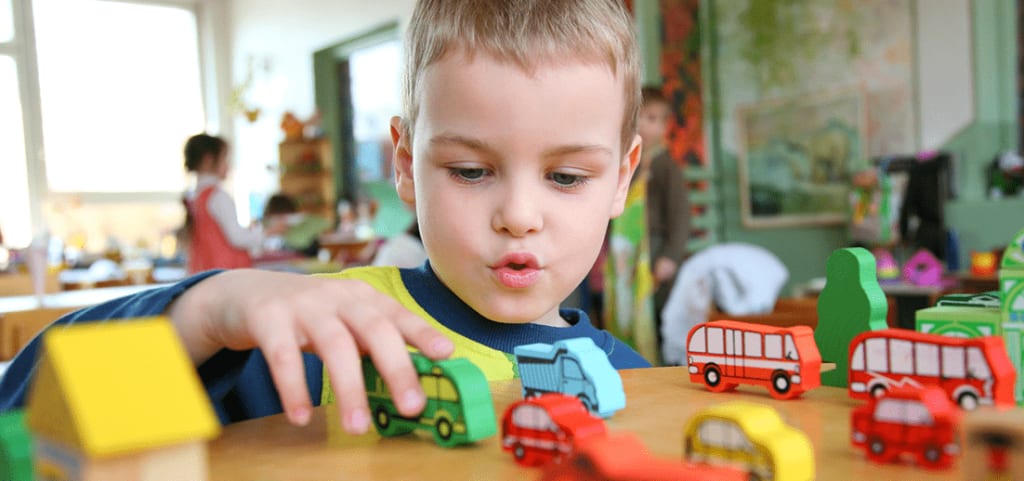
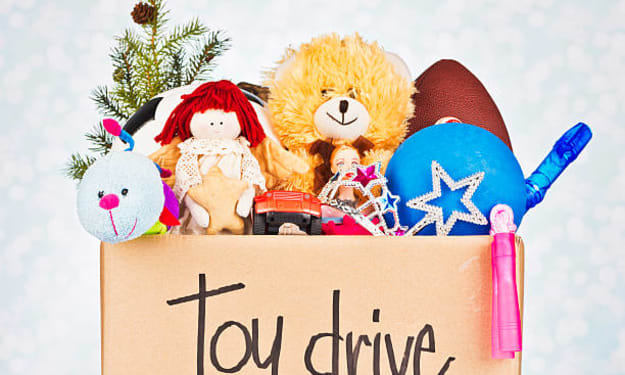
The toy aisle glitters with endless possibilities, each promising joy and engagement. Indeed, the sheer volume of choices can overwhelm parents and gift-givers alike, making it difficult to discern which playthings truly contribute to a child's development. Moreover, this becomes especially important when considering charitable acts, like contributing to a toy drive donation box. Therefore, instead of succumbing to the allure of fleeting trends, we must shift our focus to toys that nurture fundamental skills: creativity, problem-solving, physical activity, and social interaction. Ultimately, by prioritizing these developmental aspects, we can ensure that our toy choices genuinely benefit children, fostering their growth and well-being.
Open-Ended Play: Sparking Imagination
Toys that let kids make their own games are best.
Building with Blocks
Blocks allow children to construct their own worlds. Additionally, they learn about shapes and sizes as they build. Kids develop spatial reasoning and creativity by designing towers and castles. Furthermore, they experiment with balance and stability, learning fundamental engineering concepts through hands-on play.
Imagining with Dolls
Dolls help children create stories and act out social situations. Similarly, they learn empathy by caring for their dolls and develop language skills through imaginative play. Children practice communication and emotional expression as they give their dolls voices and personalities.
Creating with Art
Art supplies let children express themselves freely. They use crayons to draw, paint to create scenes, and clay to mold shapes. Consequently, this fosters creativity and emotional expression. Also, through art, children explore colors, textures, and forms, developing their fine motor skills and artistic abilities.
These toys help kids think creatively. Children develop their own ideas.
Active Play: Moving and Growing
Toys that make kids move are very important.
Playing with Balls
Balls encourage physical activity and hand-eye coordination. Kids kick, throw, and catch, improving their motor skills and having fun. Besides, they learn about trajectory, force, and speed, developing their understanding of basic physics.
Skipping with Ropes
Jump ropes build stamina and coordination. Children learn rhythmic patterns and improve their physical fitness. Then, they can play alone or with friends, fostering both individual and social development.
Riding Toys
Ride-on toys help children develop balance and gross motor skills. They pedal tricycles and push toy cars, exploring their environment and building strength. Likewise, they learn about spatial awareness and navigation as they move through their surroundings.
Outdoor play improves health. Kids connect with nature. Active toys build strong muscles. Therefore, add these to toy drive donation boxes.
Brain Boosters: Learning Through Play
Toys that help kids learn are great.
Solving Puzzles
Puzzles challenge children to solve problems and improve spatial reasoning. Moreover, they learn to recognize patterns and develop fine motor skills. Indeed, they enhance their concentration and persistence as they work to complete complex puzzles.
Playing Board Games
Board games teach children strategy, rules, and critical thinking. They practice taking turns, following instructions, and developing social skills. Thus, they learn to manage competition and cooperation.
Constructing Sets
Construction sets encourage children to build and create. In addition, they learn about engineering principles and develop logical thinking skills. Furthermore, they enhance their problem-solving abilities and spatial reasoning as they create structures and designs.
These toys make kids think. They learn how to plan and solve. Books and teaching toys spark curiosity.
Social Skills: Playing Together
Toys that help kids play with others are vital.
Playing Kitchen
Play kitchens allow children to engage in role-play and learn about sharing. They pretend to cook meals, fostering social interaction and cooperation. Additionally, they practice communication and negotiation skills as they decide who will do what.
Playing Doctor
Doctor kits help children develop empathy and learn about caring for others. They engage in imaginative play, acting out medical scenarios and learning vocabulary. Also, they learn about health and well-being, fostering a sense of responsibility.
Playing Cooperative Games
Cooperative games teach children to work together towards a common goal. They learn communication, teamwork, and conflict-resolution skills. Finally, they develop a sense of community and shared accomplishment.
These toys teach sharing. Children learn to talk and fix problems. They learn fair play.
Quality Over Quantity: Making Wise Choices
When you buy toys or donate unwrapped toys, think about quality. Choose strong, safe, and fun toys.
- Pick toys that boost creativity and imagination.
- Select toys that encourage physical movement and activity.
- Find toys that build brain power and cognitive skills.
- Choose toys that promote social interaction and emotional development.
To Sum Up
By doing this, you aid healthy growth. To finish, thinking of real needs helps us donate unwrapped toys. They make a lasting change. In essence, choosing the right toys is about more than just providing entertainment; it's about investing in a child's future. To summarize, thoughtful toy selection prioritizes those items that encourage creativity, physical activity, cognitive development, and social interaction. By making informed choices, we empower children to learn, grow, and thrive. In conclusion, carefully considering the genuine needs of children enables us to donate unwrapped toys that leave a lasting, positive impact. By focusing on quality over quantity and prioritizing developmental value, we can contribute to a more enriching and fulfilling childhood for every child.
About the Creator
Ace of Hearts Project
The Ace of Hearts Project, based in Santa Ana, CA, spreads joy by delivering toys to children in need and writing Letters of Love to children in hospitals, promoting care, and seniors in assisted living.
Keep reading
More stories from Ace of Hearts Project and writers in Confessions and other communities.
Creative Toy Donation Box Ideas to Inspire Giving
Giving toys to children in need can spread happiness and teach compassion. A thoughtfully designed toy donation box can inspire people to contribute more often. Whether you are supporting a local drive or the best charity to donate toys, creative ideas can make your toy donation drop off box stand out and draw attention.
By Ace of Hearts Project5 months ago in Confessions
Word of the Day: ホチキス
I don't know the word for Staples. I remember I used to think that Hochikisu was an Onomatopoeia for a stapler rather than a brand name. I am pretty sure I already have this title as a theme, which is making me feel many sort of ways as Vocal is harassing me about payments currently.
By Kayla McIntosh20 days ago in Confessions
“It’s Not You, It’s Me!”
There comes a time in life when I look at the things I used to do, especially when I was much younger and wanted to get along with others. There were times when I went along with the routines, the invitations, and habits of others that no longer fit me. Theref0re, I am breaking up with those habits.
By Margaret Minnicksabout 23 hours ago in Confessions



Comments (1)
I love toys too! Can you get me some? Great work!