
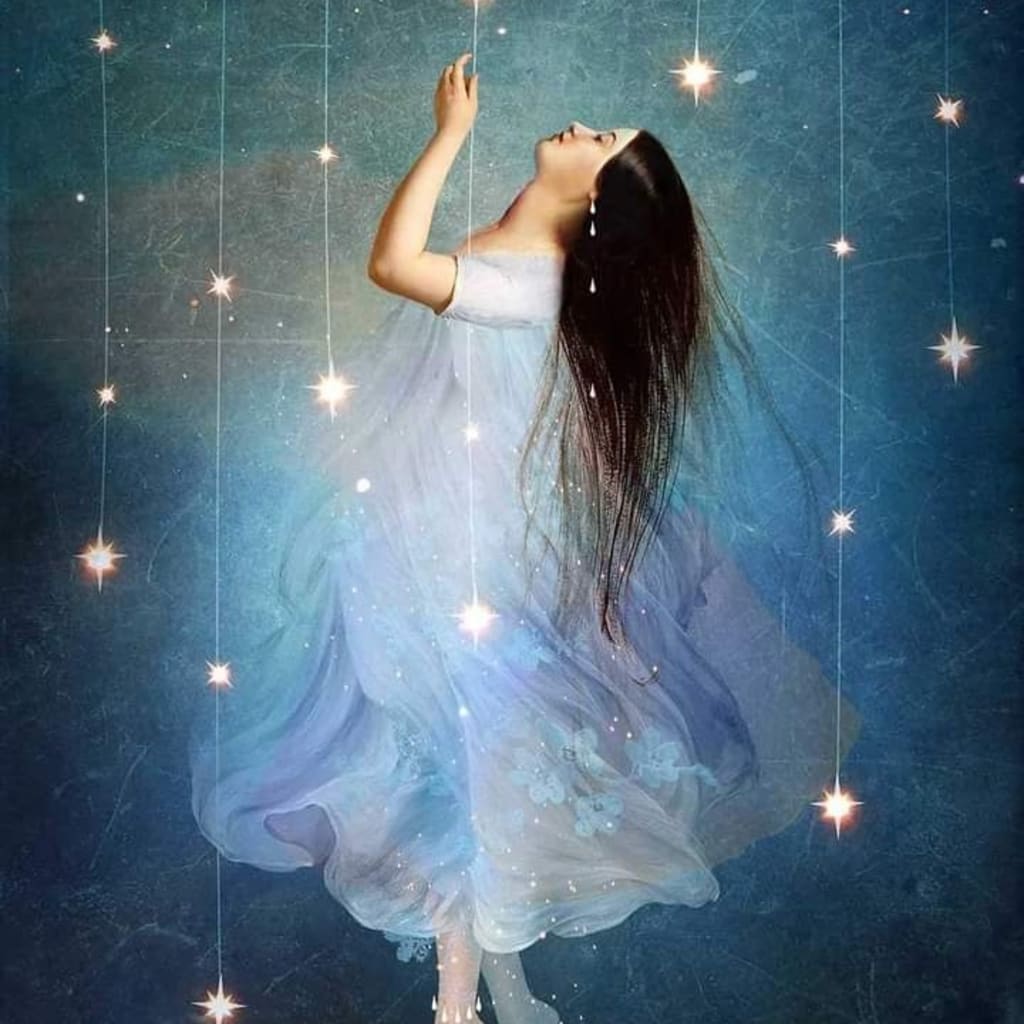
artritingLove is a complex emotion and can be difficult to define in a single sentence. It can take on different meanings depending on the context and the individuals involved. Generally speaking, love refers to a deep and intense feeling of affection, attachment, and connection towards someone or something. Love can involve feelings of kindness, compassion, empathy, and caring, as well as a desire for intimacy, connection, and companionship. It can also manifest in a variety of different forms, including romantic love, platonic love, familial love, and self-love. Ultimately, love is a powerful force that can bring joy, fulfillment, and meaning to our lives.
From songs and poems to novels and movies, romantic love is one of the most enduring subjects for artworks through the ages. But what about the science? Historical, cultural and even evolutionary evidence suggests love existed during ancient times and across many parts of the world. Romantic love has been found to exist in 147 of 166 cultures looked at in one study. The complexity of love has much to do with how people experience it differently and how it can change over time. Like, love, or ‘in love’? Psychological research over the past 50 years has investigated the differences between liking someone, loving someone and being “in love”. Liking is described as having positive thoughts and feelings towards someone and finding that person’s company rewarding. We often also experience warmth and closeness towards the people we like. In some instances we choose to be emotionally intimate with these people. When we love someone we experience the same positive thoughts and experiences as when we like a person. But we also experience a deep sense of care and commitment towards that person. Being “in love” includes all the above but also involves feelings of sexual arousal and attraction. However, research into people’s own views of love suggests that not all love is the same.Romantic love consists of two types: passionate and companionate love. Most romantic relationships, whether they be heterosexual or same sex, involve both these parts. Passionate love is what people typically consider being “in love”. It includes feelings of passion and an intense longing for someone, to the point they might obsessively think about wanting to be in their arms.The second part is known as companionate love. It’s not felt as intensely, but it’s complex and connects feelings of emotional intimacy and commitment with a deep attachment toward the romantic partner.From songs and poems to novels and movies, romantic love is one of the most enduring subjects for artworks through the ages. But what about the science? Historical, cultural and even evolutionary evidence suggests love existed during ancient times and across many parts of the world. Romantic love has been found to exist in 147 of 166 cultures looked at in one study. The complexity of love has much to do with how people experience it differently and how it can change over time. Like, love, or ‘in love’? Psychological research over the past 50 years has investigated the differences between liking someone, loving someone and being “in love”. Liking is described as having positive thoughts and feelings towards someone and finding that person’s company rewarding. We often also experience warmth and closeness towards the people we like. In some instances we choose to be emotionally intimate with these people. When we love someone we experience the same positive thoughts and experiences as when we like a person. But we also experience a deep sense of care and commitment towards that person. Being “in love” includes all the above but also involves feelings of sexual arousal and attraction. However, research into people’s own views of love suggests that not all love is the same.Romantic love consists of two types: passionate and companionate love. Most romantic relationships, whether they be heterosexual or same sex, involve both these parts. Passionate love is what people typically consider being “in love”. It includes feelings of passion and an intense longing for someone, to the point they might obsessively think about wanting to be in their arms.The second part is known as companionate love. It’s not felt as intensely, but it’s complex and connects feelings of emotional intimacy and commitment with a deep attachment toward the romantic partner.Although a reduction in passionate love is not experienced by all couples, various studies report approximately 20-40% of couples experience this downturn. Of couples who have been married in excess of ten years, the steepest downturn is most likely to occur over the second decade. Life events and transitions can also make it challenging to experience passion. People have competing responsibilities which affect their energy and limit the opportunities to foster passion. Parenthood is an example of this. In contrast, companionate love is typically found to increase over time. Although research finds most romantic relationships consist of both passionate and companionate love, it’s the absence or reductions in companionate love, moreso than passionate love, that can negatively affect the longevity of a romantic relationship. But what’s the point of love? Love is an emotion that keeps people bonded and committed to one another. From an evolutionary psychology perspective, love evolved to keep the parents of children together long enough for them to survive and reach sexual maturity. The period of childhood is much longer for humans than other species. As offspring rely on adults for many years to survive and to develop the skills and abilities needed for successful living, love is especially important for humans. Without love, it’s difficult to see how the human species could have evolved.Not only is there an evolutionary foundation to love, love is rooted in biology. Neurophysiological studies into romantic love show that people who are in the throes of passionate love experience increased activation in brain regions associated with reward and pleasure. In fact, the brain regions activated are the same as those activated by cocaine. These regions release chemicals such as oxytocin, vasopressin and dopamine, which produce feelings of happiness and euphoria that are also linked to sexual arousal and excitement. Interestingly, these brain regions are not activated when thinking about non-romantic relationships such as friends. These
About the Creator
Keep reading
More stories from writers in Confessions and other communities.
Voicemail #part one
"The person you are trying to reach is not available. Please leave a message" Beeeeeeep "Hey Emma, Ive been trying to call your phone for the past couple of days. I know your busy and all....I just...I guess I miss you. I know we're not supposed to call our ex's and say stuff but its just been bothering me so much. I wonder how your doing, I hope your doing better. I really do. I'm not trying to get back with you, I know you have a boyfriend and i see how happy you are with him. Im really proud of you, for both how good you are doing for yourself as well as for...leaving us. I think it was for the better. For both of us. I know it was the right decision, I just wish it wasn't. I dont want your boyfriend to hear this and think I want you back. Thats not why I called, or am leaving this message. I just miss you, and I guess I just want to hear you say it, that its over, one more time. That this is our last goodbye. Because I met a girl, and she is really nice, I want things to work out. I want to be able to move on, and I want to be able to treat her better, i want to do better than what we did. I also want to say Im sorry. Im sorry. For all the hurt I caused, and how much I was draining you. It was never your fault, any of this. I shouldve tried to work on myself and do better, but I didn't push myself enough to. I shouldve been there for you, when you where crying, and going through it. But you where only crying because of me. I guess it hurts me now, thinking about it. It makes me sick how I didn't try hard enough for us, I shouldve tried harder. I shouldve charished what we have more, took the time to take you on more dates. Im happy that He is doing that for you. You deserve to be treated better, you deserved more than I could ever give you. I know you will be a great mother, and- I just wish I was te one to be there to see you happy again, I wish I wish the one, but I know I messed it up. I messed us up so badly. And Im sorry. But please dont forgive me. I shouldnt be forgiven. I dont even know if youll listen to this, or if you even have the same phone number. If you do listen to this, Im sorry If i ruined your day. Im not calling to make you forgive me or what me back, or feel bad for me. I want you to hate me, i want you to hate me so much. Because if you hate me, itll make me want to be better. Do better. So hate me. And dont ever hate yourself. Love yourself. Dont let anyone bring you down, or drain you like i did. Enjoy your life and your moments. As I have learned, not every good thing has a good end. So take life slow. I guess that'll be all. I don't want this message to be too long. Ill go now. I hope you were having a good day. Stay safe and warm, and smile. Always smile. Its the most beautiful thing about you. I know I shouldnt say it, but I want the last time to actually mean something. so.
By Chxsea day ago in Confessions
The Duelist
The rays of a dying red sun flashed against the onrushing blade. The grey beards say the key to dueling lies in size, speed, reach, righteous fury, whatever the person in front of them pays them to say. Matteo knew better than any it was none of these and had an undefeated record on these sands to prove it.
By Matthew J. Frommabout 3 hours ago in Fiction


Comments
There are no comments for this story
Be the first to respond and start the conversation.