
What Happens to Your Dating Data? Understanding Privacy Policies and What You're Really Agreeing To
What Happens to Your Dating Data? Understanding Privacy Policies and What You're Really Agreeing To

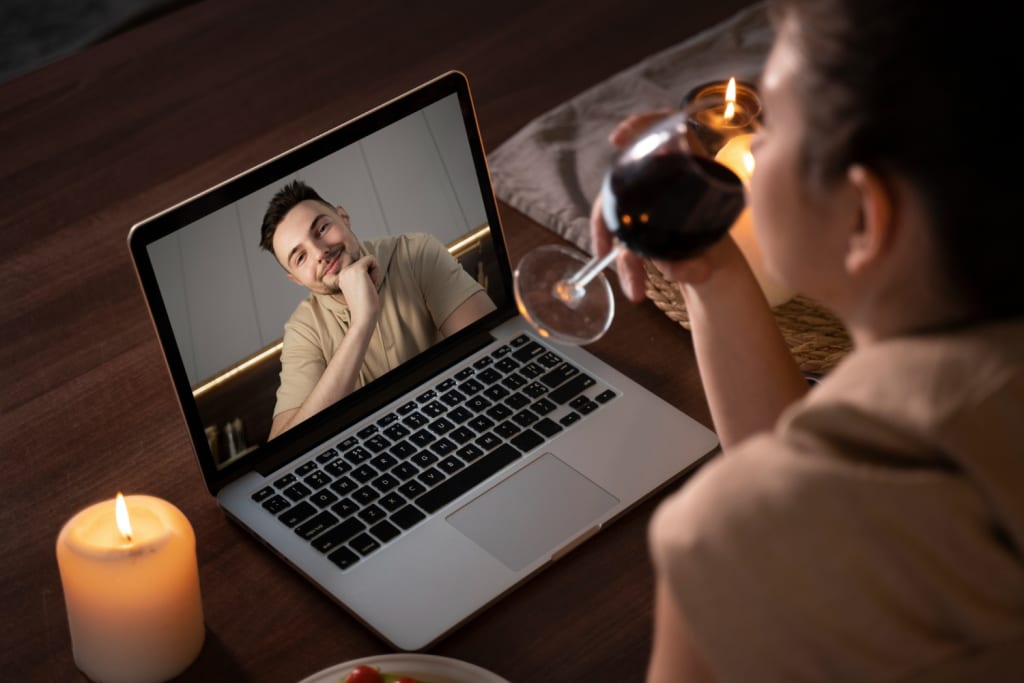
I still remember the first time I downloaded a dating app. It was late at night, I had a glass of wine in one hand and my phone in the other. I scrolled through photos, wrote a cheeky bio, and hit “Agree” on a lengthy privacy policy I didn’t bother reading. Fast forward to today, and I’ve learned a lot—especially about what actually happens to all the personal information we surrender in the name of connection.
If you’re like me, you probably didn’t think twice about the data trail you were leaving behind. But after digging into the reality of how dating apps collect, use, and sometimes share your data, I realized just how important it is to understand what you’re really agreeing to.
The Hidden Price of “Free” Dating Apps
Most dating platforms are “free” to use, at least at first glance. But what I’ve come to realize is that we’re not the customer—we’re the product. Every swipe, message, and like we send contributes to a massive pool of user data that companies analyze, monetize, and often share with third parties.
I once asked myself: What exactly are they collecting? Turns out, it’s more than just your age and interests. These platforms can access:
- Your GPS location (often in real time)
- Chat conversations and images
- Device data and app usage history
- Your sexual orientation and preferences
- Payment information if you subscribe to premium features
Some apps even track how long you view someone's profile, what kind of photos you interact with, or your swiping behavior across time. This level of insight allows companies to create detailed psychological profiles—and it’s all wrapped up in a privacy policy most of us never read.
Privacy Policies: Designed to Confuse?
Let’s be honest—privacy policies are a mess. They’re filled with jargon, legal loopholes, and intentionally vague language. The last one I skimmed clocked in at over 6,000 words. That’s not an accident. These documents are designed to provide legal coverage while discouraging users from fully understanding what they’re signing up for.
One phrase I’ve learned to look out for is “we may share your information with trusted partners.” That can mean advertisers, data brokers, or even law enforcement agencies in some cases. “Trusted” is subjective, and “partners” are often for-profit entities looking to capitalize on your behavior and interests.
Another red flag? “We use your information to improve our services.” Translation: we collect and store your data indefinitely to fuel machine learning algorithms, product development, or targeted ads.
Real-World Examples That Raised My Eyebrows
I dug a little deeper into actual cases where dating data was misused or poorly protected—and the stories are pretty unsettling. One well-known dating app reportedly shared user data with third parties that could infer your sexual orientation and emotional state. Another app experienced a data breach where thousands of users’ private messages were exposed online.
And then there’s the story of facial recognition technology being trained on users’ profile pictures—without any clear consent. When I read that, I went back and deleted half my photos.
The truth is, once your data is out there, you can’t get it back. It can be sold, copied, hacked, and stored forever.
What You Can Do: My Personal Privacy Toolkit
After learning all this, I started being much more cautious—and strategic—about how I use dating apps. Here’s my personal checklist:
1. Read the privacy policy. Not the whole thing, but at least the parts that mention “data sharing,” “third parties,” and “data retention.”
2. Limit permissions. Don’t grant access to your exact GPS location unless absolutely necessary. Turn off microphone or camera access unless you’re on a video date.
3. Use burner emails. I now use a separate email address for all dating activity to keep it compartmentalized.
4. Be cautious with photos. Avoid uploading sensitive images or anything that can be used for facial recognition or doxxing.
5. Check data settings. Some apps let you limit ad tracking or even request a download or deletion of your data.
6. Use platforms with better privacy reputations. I tend to avoid platforms with vague or sketchy policies and opt for ones that clearly outline how they use data.
It’s About Consent—Real Consent
When I say I want consent in relationships, I mean it across the board—including how my data is treated. Real consent means knowing what I’m agreeing to and having control over my choices. Sadly, most dating apps rely on passive, uninformed consent. That’s something I hope more users—and companies—start to challenge.
We can’t live completely off the grid, especially if we want to participate in modern dating. But we can be smarter, more conscious, and more demanding about our digital rights.
Final Thoughts: Swipe Smart, Stay Safe
I’m not saying delete your dating apps and retreat into the wilderness. I still use them—I just do so with open eyes now. Dating in the digital age can be beautiful, but it comes with risks that we deserve to understand.
The next time you hit “Agree,” pause for a second. Ask yourself: What am I giving up in exchange for this experience? Because chances are, it’s more than just your time and energy—it’s your digital footprint, too.
Please note that this article may contain affiliate links, and the opinions shared are based on my personal experiences and perspectives.
About the Creator
Tracy Larson
A relationship and communication coach dedicated to supporting people in building meaningful connections online and offline.
Keep reading
More stories from Tracy Larson and writers in Confessions and other communities.
Is LoverWhirl Safe?
Is LoverWhirl Safe? In the world of online dating, safety and trust are non-negotiable. With so many platforms promising to connect people around the world, how do you know which ones actually deliver a secure experience? This LoverWhirl review explores the platform's features, its approach to safety, and answers key questions like is LoverWhirl legit and how does it protect its users. Let’s dig into the facts and features that make LoverWhirl a notable choice in 2025.
By Tracy Larson5 months ago in Confessions
Thoughts on Vocal and the way the world is
"Death cannot stop true love, only delay it." – Wesley in The Princess Bride. I decided to come back to Vocal on a very cold and dark night at the end of December. I had been, and still am, convalescing from a horrible staph infection that had gone misdiagnosed for months. This, paired with the increasing challenges of being healthy, making the best choices for my co-parented child, being a wife, and being a director at a new job, was a lot to manage.
By Jazzy 2 days ago in Confessions
I Confess
I confess that I have spent more time pretending than living. I confess that I have smiled when I wanted to scream, nodded when I wanted to refuse, and stayed silent when my heart begged me to speak. Confession is not just about admitting guilt; it is about admitting the small betrayals we commit against ourselves every day. And I am guilty, in the quietest, most persistent way, of betraying myself.
By LUNA EDITHa day ago in Confessions



Comments