
USA warning to India after Venezuela
How rhetoric, pressure politics, and global strategy can strain even long-standing partnerships

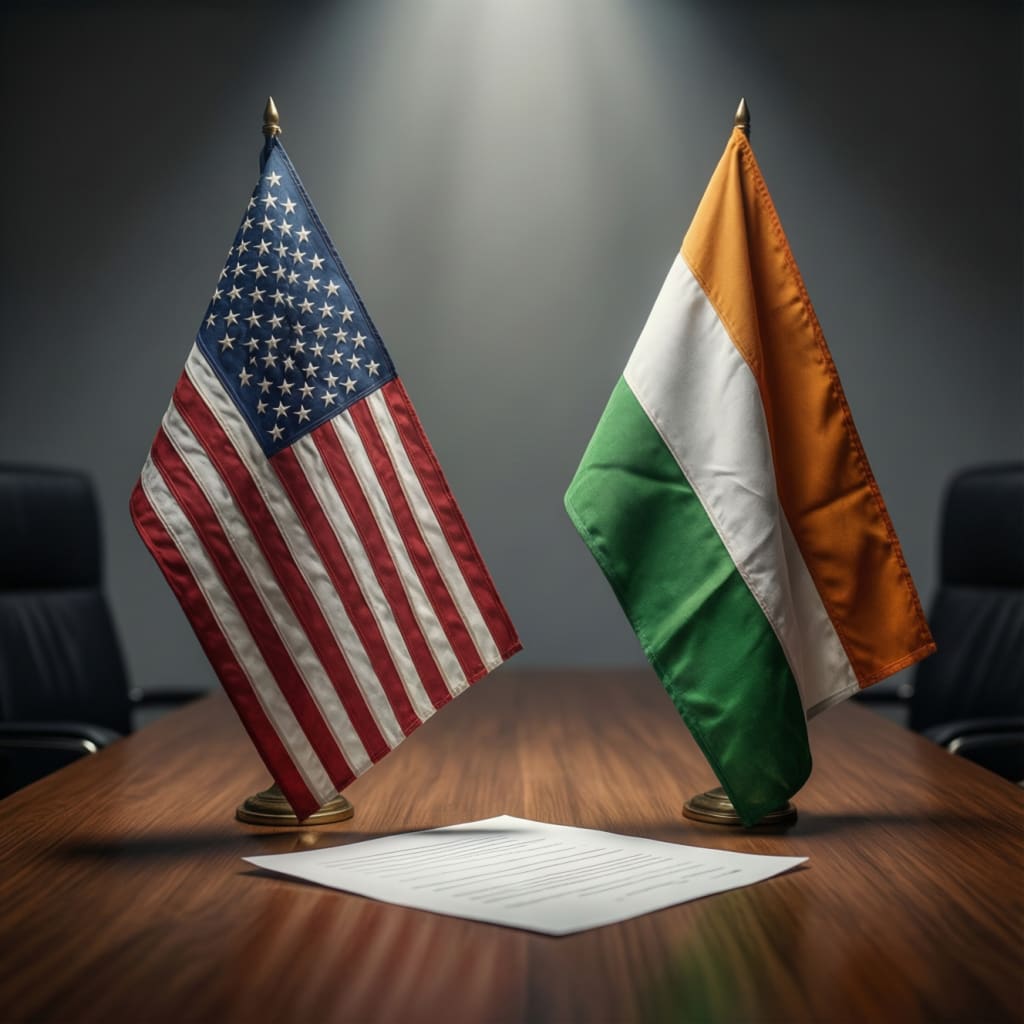
When Strong Words Shake Alliances: Trump, India, and the Power of Political Warnings
In global politics, not every warning comes with missiles or soldiers. Sometimes, it comes through speeches, interviews, and policy decisions. During Donald Trump’s presidency, strong language became a regular tool of diplomacy. Allies and rivals alike often found themselves reacting not to actions, but to words. India, a long-time strategic partner of the United States, was not completely immune to this approach.
The United States and India share deep ties in trade, defense, and regional security. Both countries have worked together to counter terrorism, secure trade routes, and balance rising global powers. However, during the Trump administration, this relationship faced moments of tension, largely due to economic pressure and blunt political messaging.
One of the main friction points was trade. Trump frequently criticized India for high tariffs on American goods. He publicly described India as a “tariff king,” a phrase that made headlines worldwide. While this was not a military warning, it sent a clear political signal: the United States expected changes, or consequences would follow in the form of trade restrictions or policy shifts.
These statements created unease. In international relations, public criticism from a powerful ally can feel like a warning, even if it is economic rather than military. Markets react, diplomats scramble, and governments reassess strategies. For India, the challenge was balancing national interests while maintaining a crucial partnership.
Defense cooperation also existed alongside pressure. The U.S. continued selling advanced military equipment to India and supported its role in the Indo-Pacific region. This created a complex situation: cooperation on one side, pressure on the other. Trump’s style blurred the line between partnership and confrontation.
Another sensitive area was foreign policy independence. India has historically maintained strategic autonomy, engaging with multiple global powers. At times, U.S. sanctions policies — especially related to Iran and Russia — indirectly affected India. Though not direct threats, these policies acted as leverage, forcing difficult choices. Again, this was not war rhetoric, but it felt like a warning about alignment.
What made these moments more intense was the tone. Trump’s communication style was direct, public, and often unpredictable. In diplomacy, tone matters. A private concern can become a public challenge when expressed bluntly. This style amplified tensions, even when formal relations remained stable.
It is important to separate rhetoric from reality. Despite strong words, the U.S.–India relationship did not collapse. Cooperation continued in defense, intelligence sharing, and regional security. This shows that words can shake alliances without breaking them — but they do leave marks.
For the global audience, these moments highlight a larger issue: how powerful leaders use language as a strategic tool. In today’s connected world, a single sentence can affect markets, diplomacy, and public opinion across continents. Political warnings no longer need military backing to create impact.
India’s response was measured. Rather than escalating tensions, it focused on negotiation and long-term interests. This approach reflects how modern diplomacy works — absorbing pressure without turning disagreement into conflict.
The lesson here is broader than one leader or one country. Global stability depends not only on actions, but on communication. When rhetoric becomes aggressive, even allies feel uncertain. When language is responsible, disagreements remain manageable.
In a time when the world already faces wars, climate stress, and economic uncertainty, responsible leadership matters more than ever. Strong words can move nations — but they can also shake trust.
About the Creator
Wings of Time
I'm Wings of Time—a storyteller from Swat, Pakistan. I write immersive, researched tales of war, aviation, and history that bring the past roaring back to life
Keep reading
More stories from Wings of Time and writers in Confessions and other communities.
USA, Israel, and Iran-What’s Really Happening
Tensions in the Middle East: USA, Israel, and Iran — What’s Really Happening In the past few days, international attention has focused on a high-profile meeting between Israeli Prime Minister Benjamin Netanyahu and former U.S. President Donald Trump at Trump’s private estate in Florida. The talks were not about routine diplomacy — they centered on growing concerns over Iran’s ballistic missile and nuclear programs and how the United States and Israel might respond.
By Wings of Time 2 months ago in Confessions
The Piggy Project
I’ve had so many names in this life I lose track of which ones were ever really mine and which ones I wore because someone needed me to. Some were handed to me before I had words to refuse them, before I knew what they meant, before I knew I could say no. Most weren’t meant to hurt. That doesn’t mean they didn’t leave marks. Marks that told me who I belong to, who I am by way of who claims me, recognizes me in the good and bad, who walks beside me.
By Fatal Serendipity4 days ago in Confessions


Comments
There are no comments for this story
Be the first to respond and start the conversation.