
THE SCIENCE BEHIND FALLING IN LOVE: HOW CHEMISTRY, PSYCHOLOGY, AND BIOLOGY SHAPE OUR ROMANTIC BONDS
THE SCIENCE BEHIND FALLING IN LOVE
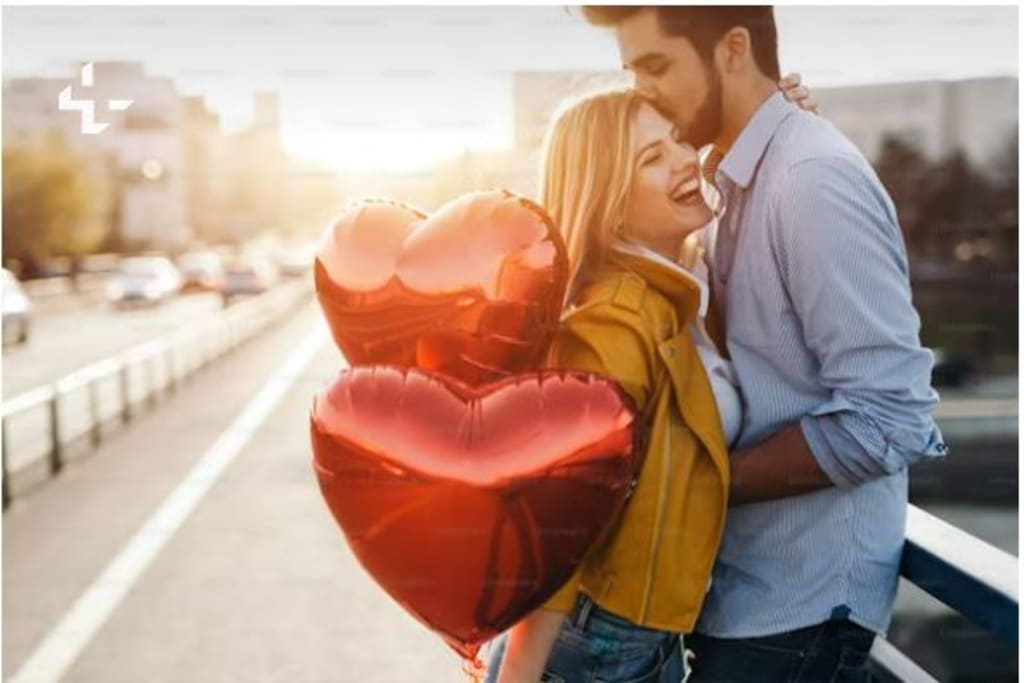
Do you know those warm fuzzy feelings that make us desire to be with someone more than anything else? These are primarily derived from our brains rather than our hearts, as romantic mythology would have us believe. We fall in love for a variety of reasons, and our bodies respond with a cocktail of hormones powerful enough to keep us hooked.
Falling in love is one of life's most exciting events. The surge of emotions, butterflies in your stomach, and profound connection with another person can appear mystical or mysterious. However, beneath the surface of these tremendous emotions lies a complicated interaction of biology, chemistry, and psychology that shapes our perception of love. From the instant two people meet to the gradual strengthening of relationships over time, science has much to say about the mechanisms that shape the phenomena we call love.
THE INITIAL ATTRACTION: THE ROLE OF CHEMISTRY
Have you ever pondered why certain people appear to capture your eye more than others? It turns out that physical attraction is about more than just excellent looks. Behind the initial attraction is the overwhelming influence of chemicals in our minds and bodies.
One of the important participants in this stage is dopamine, also known as the "feel-good" hormone. When we meet someone we are attracted to, our brains release dopamine, which fills us with joy and excitement. This is what causes you to feel excited when you lock eyes with someone across the room.
Another essential neurotransmitter in attraction is norepinephrine, which increases attention and focus. This is why, when you're near someone you're attracted to, you may find yourself continuously thinking about them or hyper-aware of their presence. Norepinephrine also causes a speeding heartbeat and sweaty hands, which are classic physical signs of attraction.
Interestingly, pheromones, or chemical signals generated by our body, have a role in attraction. Though we aren't aware of it, our sense of smell may detect minor pheromones that make someone appear more enticing to us. These chemical signals may explain why you occasionally experience an unexplainable attraction to someone who does not suit your typical "type."
THE EMOTIONAL HIGH: LOVE AS AN ADDICTION
As attraction becomes more serious, the brain's reward system kicks into overdrive. Falling in love has been linked to the effects of certain addictive substances, and with good reason: both activate comparable pathways in the brain.
Oxytocin, also known as the "love hormone," is released during personal events like embracing, kissing, and sexual activity. This hormone is important for bonding because it makes partners feel more connected and fosters trust. The more time you spend with your partner, the more oxytocin is released, which strengthens the emotional relationship and creates a sense of security.
Another important molecule at action here is serotonin, which affects mood and overall feelings of well-being. Serotonin levels can plummet during the early phases of love, resulting in obsessive thoughts about your partner—have you ever pondered why you can't stop thinking about them? As the relationship grows and the link strengthens, serotonin levels balance, resulting in a sense of peace and stability in long-term love.
THE BIOLOGICAL BASIS OF COMPATIBILITY
While love can feel spontaneous, biology plays an important role in choosing who we are drawn to. According to studies, we may be predisposed to choose partners with immune system genes that differ from our own. This behavior is assumed to have developed to increase genetic variety in children, making them more disease resistant.
In addition to heredity, our upbringing and early life experiences influence our romantic choices. Psychologists have discovered that we frequently seek partners who meet our attachment needs, depending on the types of connections we experienced with our caregivers as children. For example, persons who grew up in stable, caring settings may want comparable stability in their love relationships, whereas those who had inconsistent caregiving may be drawn to more unpredictable companions.
LOVE AND EVOLUTION: WHY WE’RE WIRED FOR ROMANCE
From an evolutionary standpoint, falling in love has a function other than emotional fulfillment: it contributes to our species' survival. Romantic love encourages pair bonding, which has historically boosted the chances of offspring survival. When two individuals fall in love and develop a committed relationship, they are more likely to stay together to raise their children, boosting the possibilities of passing on their genes to future generations.
Monogamy, while not ubiquitous across all animals, is quite frequent among humans. Scientists believe that the evolution of pair bonding in humans enabled longer durations of parental care, which is critical when raising infants that require extensive nurturing and protection. Love, then, can be viewed as an evolutionary mechanism that fosters stability and cooperation among partners for the benefit of future generations.
THE LONG-TERM BOND: COMMITMENT AND TRUST
As the initial excitement of falling in love fades, a new phase begins—one marked by commitment, trust, and long-term connection. This stage is also known as "companionate love," in which emotional intensity is replaced by a strong sense of attachment and mutual respect.
The brain's production of oxytocin and vasopressin becomes significantly more important during this stage. These molecules are linked to sentiments of connection, loyalty, and commitment, ensuring that couples stay connected even after the excitement of early love fades.
During this stage, partners lay the groundwork for long-term relationships by sharing experiences and growing together. While the first attraction is driven by excitement and novelty, long-term love is founded on shared values, communication, and trust.
CONCLUSION: THE SCIENCE OF LOVE IN EVERYDAY LIFE
While falling in love may appear to be an unexplained emotional rollercoaster, science has revealed that it is a perfectly choreographed ballet of brain chemicals, biological instincts, and psychological variables. From the first spark of attraction to the deep tie of long-term love, our bodies and minds are designed to connect with others in profound and meaningful ways.
Understanding the science of love does not diminish its mystical quality. In fact, it increases our awareness for the complexities of human connection and serves as a reminder that love is both natural and necessary to the human experience. Whether it's the dopamine-fueled rush of a new relationship or the reassuring hug of a long-term companion, love is still one of life's biggest mysteries—and most beautiful.
About the Creator
julius
Julius, a skilled writer known for captivating readers with engaging blog posts, YouTube videos, and strategic affiliate marketing campaigns, is a multifaceted powerhouse in online content creation.
Keep reading
More stories from julius and writers in Confessions and other communities.
THE POWER OF ALIGNMENT AND COHERENCE: LIVING A PURPOSEFUL, IMPACTIVE LIFE
Aligning with our greater purpose is frequently the path to true fulfillment in life. After years of investigation and introspection, I've realized that we're here for more than just survival. We must consciously align our beliefs, mindset, behaviors, attitudes, values, and principles if we want to live a life that has meaning, impact, and purpose. Our lives and the lives of those around us are enhanced by this alignment, which fosters transformation.
By julius about a year ago in Confessions
Two girls, one library, and a hunger for worlds beyond your own - Part 2
During elementary school, we sometimes had to move. For entire seasons. Entire school semesters. When the drought came one year, a bird disease also appeared. Grandma, one of the most famous breeders in our village, for birds, chickens, and geese, lost everything! And we lost the peace of of mind for the next day. We had to move to another village. Near our Aunt, sister of my father.
By C.M.2 days ago in Confessions
My New Book is Finally Here
My poetry collection Beautiful and Brutal Things is done. It's actually done and finally published over 270 pages. Over a year of my life went into this book. More than a year, really. Long days at my computer, sometimes seven days a week because I couldn't stop even when I probably should have. Then two months of editing that felt harder than the writing itself. But it's finished, and I'm still standing, and the book is real.
By Tim Carmichael3 days ago in BookClub



Comments
There are no comments for this story
Be the first to respond and start the conversation.