
The River Took Her Silence
A mother’s helplessness, a daughter’s last choice—when forced marriage ends in tragedy.

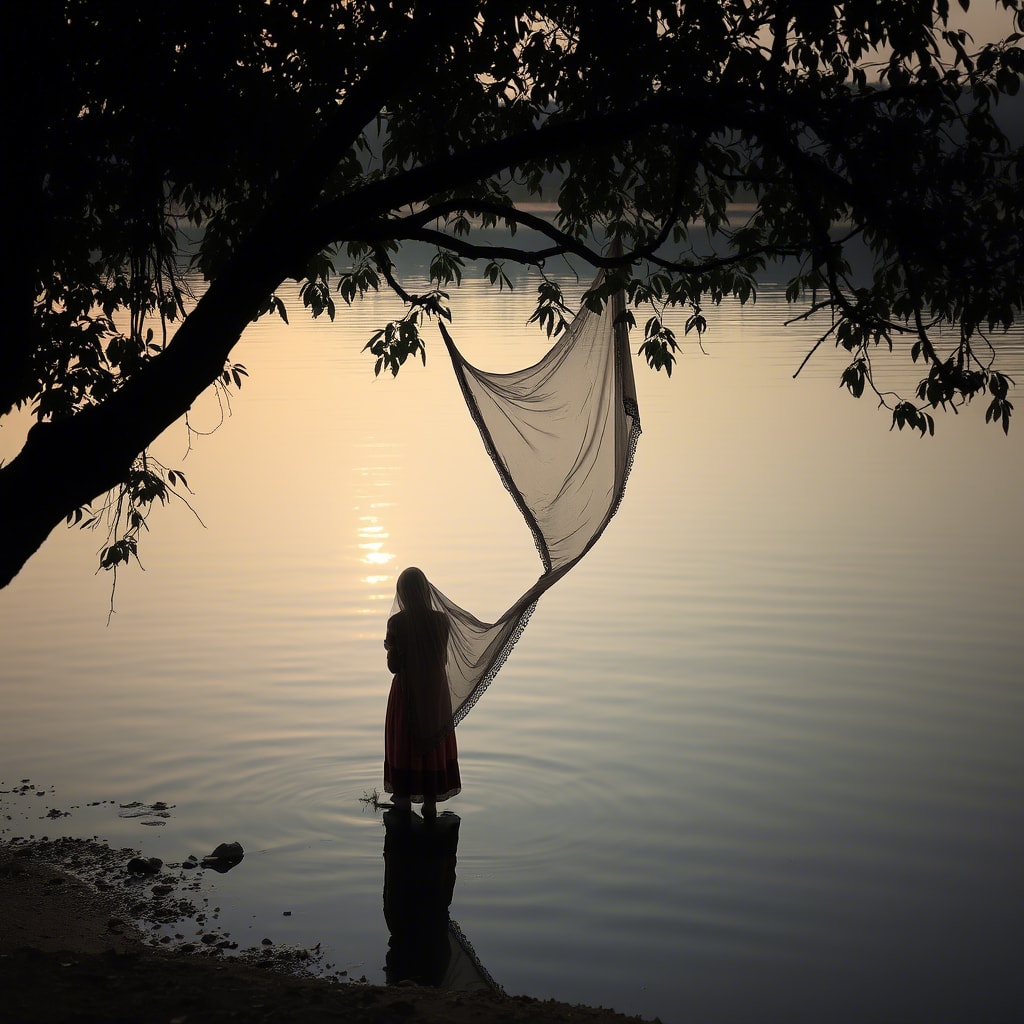
Shazia sat on the wooden bench outside her small brick house, staring blankly into the golden horizon. Her neighbors whispered, birds flew overhead, and the village life went on—but her world had ended the day her daughter disappeared.
This is not just a story. It's a scream buried in silence, a heartache that thousands of girls carry in cultures where a girl’s voice is drowned by customs and control. It’s about a girl named Anum, and a mother who watched helplessly as her child was destroyed by a decision not her own.
The Decision Was Never Hers
Anum was 17. Bright eyes, soft voice, and a heart full of dreams. She wanted to study, to travel, maybe become a teacher. But in her world, a girl's future was often decided before she even understood what the word meant. Her father, a stern man with little patience for “modern thinking,” announced one day that Anum would marry her cousin Faizan—an older man known more for his anger than his kindness.
Shazia protested. She pleaded with her husband.
“She’s not ready.”
“She’s a child.”
“Let her live first.”
But her voice, like so many mothers’ in patriarchal homes, echoed into a wall. She was told that a girl’s honor lies in her obedience. That resisting marriage would bring shame. That love and happiness were luxuries for the spoiled.
Anum cried silently at night. She hugged her mother and asked the same question every girl asks when she's forced into marriage: "Why don't I get to choose?"
Shazia had no answer.
The Wedding Without Smiles
There were drums, colors, and food—but no joy. Anum sat quietly in her red bridal dress, her eyes empty, as if already grieving something.
“She looked like a prisoner,” her friend later recalled. “Like someone being sent to her own funeral.”
And in many ways, she was.
Her in-laws treated her like property. Her husband, twice her age, expected obedience, not companionship. Anum wasn’t allowed to visit her mother, use a phone, or even open a book. Every little act of independence was punished.
And slowly, she disappeared—first from the outside world, then from within herself.
The Last Visit
One day, three months after the wedding, Anum came to visit her mother briefly. She looked weak, her eyes swollen, her wrists thin.
She didn’t say much, but when Shazia held her hand, she felt it shake.
“I’m tired, Ammi,” Anum whispered. “I don’t want this life.”
Shazia cried that night. She wanted to scream. She wanted to break every chain that held her daughter—but she couldn’t. She had no power, no voice strong enough to shatter centuries of silence.
And Then She Was Gone
The next morning, Anum was missing.
Her husband accused her of running away with someone. Her father cursed her name. The villagers gossiped. But Shazia… she knew.
They found her three days later.
By the river.
Face down.
Silent forever.
There was no note. No message. Only the dupatta she wore, torn and tangled in reeds by the water’s edge.
And a heartbroken mother standing there, screaming into the wind.
A Cry to the World
This isn’t just Anum’s story. It’s the story of countless girls forced into loveless marriages, treated like burdens, and punished for wanting dignity.
It’s the story of mothers like Shazia, stuck between tradition and truth, wanting to save their daughters but fearing the weight of community shame.
It’s a story that must stop being repeated.
The Questions We Must Ask
What would’ve happened if Anum had been allowed to say no?
What if love and consent were considered more sacred than customs?
What if a girl’s dreams were respected more than a family’s reputation?
Shazia now lives alone, her eyes hollow but her voice steady. She speaks at local gatherings, tells her story, and warns others:
“Don’t let your daughter suffer in silence. If she says no, let her. If she cries, listen. If she wants a different life, don’t treat her like a sinner.”
Because sometimes, when we ignore their pain, they disappear—into rivers, into graves, into history.
Please like
About the Creator
Atif jamal
I write heart-touching stories and thought-provoking articles inspired by nature, emotions, and everyday life
Keep reading
More stories from Atif jamal and writers in Confessions and other communities.
When the Tree Gave Shade, and Learning Took Flight
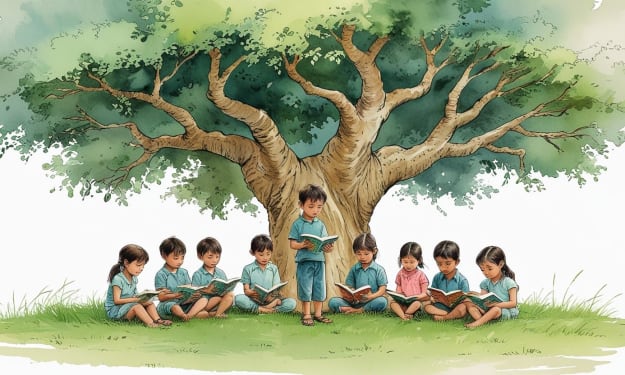
Some images don’t just capture a moment — they hold a piece of the soul. This hand-drawn picture is one of those rare creations that speaks louder than words. A large, leaf-covered tree stretches its branches like open arms, casting a gentle shadow over a group of children seated beneath. They are not in a school — no walls, no desks, no blackboard. And yet, this is the most beautiful classroom I’ve ever seen.
By Atif jamal 7 months ago in Education
Word of the Day: 推し
I am not putting any more time on my timer right now. I am just trying to get by here. There is almost no point to school because, like 35% of the time is technical difficulties and the rest of the time is things that actually aren't really useful.
By Kayla McIntosh3 days ago in Confessions



Comments
There are no comments for this story
Be the first to respond and start the conversation.