
The Quiet Exit: Confession of a Former People-Pleaser
How saying ‘yes’ too often made me lose myself—and how I slowly learned to stop
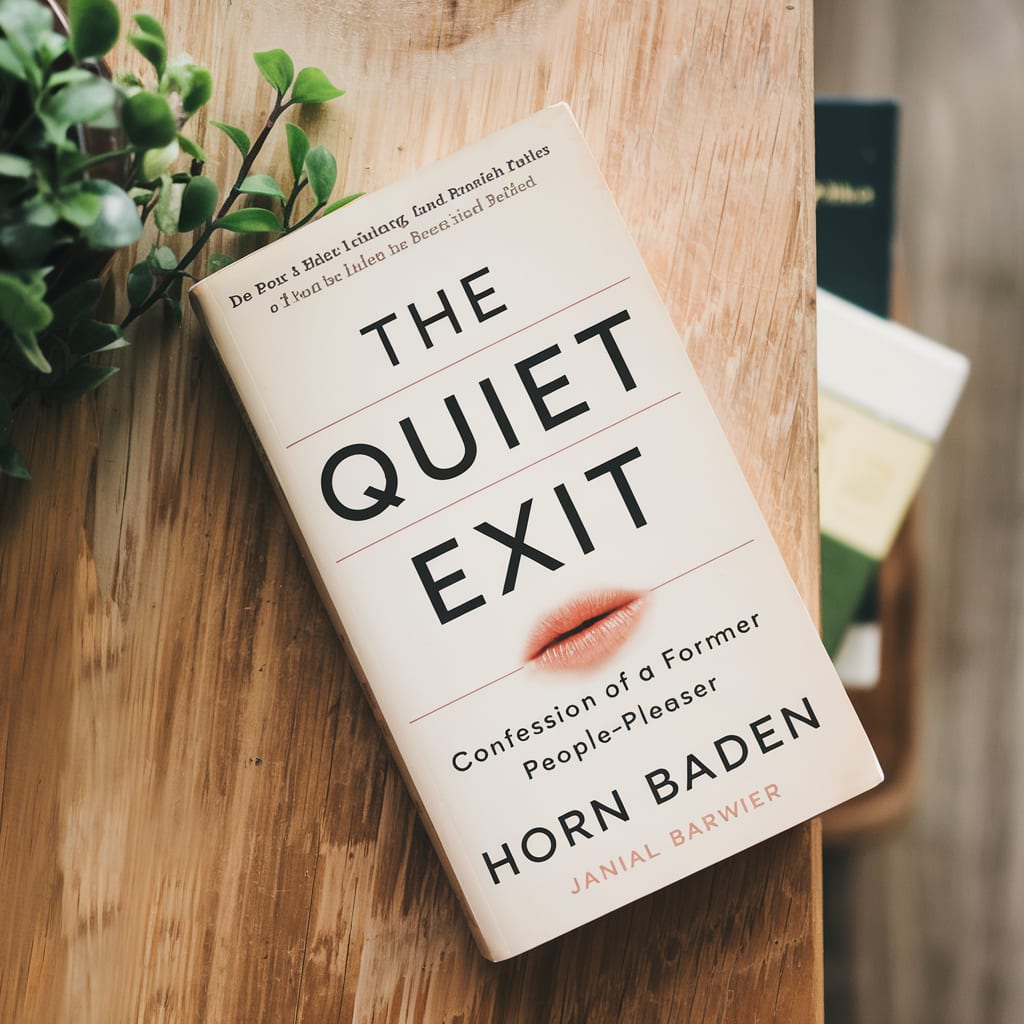
There are parts of my past that I look back on and barely recognize. Not because they were dramatic or traumatic, but because they were so quiet—so subtle—that I almost didn’t notice how much of myself I was giving away. I said “yes” to everything. Smiled when I didn’t feel like it. Nodded in agreement when I disagreed. Offered help when I was exhausted. And always, always put others’ comfort before my own.
I used to be what you might call a “classic people-pleaser.” But it didn’t feel like a flaw at the time. In fact, I wore it like a badge of honor. Being agreeable made things easier. It kept the peace. It earned praise. People liked me. They called me kind, dependable, selfless. And I let those compliments convince me that I was doing the right thing—even when it hurt.
The thing about people-pleasing, though, is that it’s never really about other people. It’s about control. More specifically, the illusion of control—controlling how others see you, how they react, what they feel. I wasn’t being nice just because I was kind-hearted (though I do care about others). I was being nice because I was terrified of being disliked, misunderstood, or rejected.
I became hyper-aware of other people’s emotions. If someone seemed upset, I assumed it was my fault. If someone asked for help, I said yes before I even checked in with myself. I bent myself into shapes that were palatable, agreeable, pleasant. Never too loud. Never too opinionated. Never inconvenient.
And slowly, I disappeared.
I didn’t notice at first. But over time, small signs appeared. I’d feel an inexplicable sense of dread before social plans. I’d cry over things that didn’t seem like a big deal. I’d feel resentment toward people I genuinely cared about—and then feel guilty for feeling that way. I was exhausted all the time, not physically, but emotionally. And still, I kept saying yes. Because saying no felt worse.
The breaking point didn’t come in a dramatic scene. It came in a grocery store parking lot. I had just gotten off the phone with a friend who’d asked for a last-minute favor. Of course, I said yes—again. But as I sat in my car, something inside me cracked. It was small and quiet, like the sound of ice shifting under pressure.
I didn’t cry. I didn’t scream. I just sat there and whispered to myself, “I can’t keep doing this.”
That moment was the beginning. Not of an overnight transformation—but of a slow, stumbling unraveling of the patterns I had clung to for most of my life.
At first, I didn’t even know how to say no. I would over-explain, over-apologize, cushion every boundary with soft words and nervous laughter. I felt guilty for every moment I put myself first. But I kept trying. I practiced small “nos” with people I felt safe with. I started asking myself, “Do I actually want to do this?” before answering.
It wasn’t easy. Some relationships changed. Some people pulled away. A few were angry when I stopped being endlessly available. That hurt. But it also showed me something I hadn’t wanted to see: some of my relationships were built more on what I gave than who I was.
I also noticed something else—something gentler. The people who truly loved me stayed. They listened. They adapted. They didn’t need me to shape-shift in order to be acceptable. And that was a revelation.
I learned that boundaries aren’t rejection—they’re clarity. That saying no doesn’t mean I don’t care; it means I care about myself, too. That pleasing everyone is not only impossible—it’s dishonest. And ultimately, it’s a betrayal of the self.
I still have people-pleasing tendencies. I still get that twinge of guilt when I say no. But now, I sit with it. I remind myself that my worth isn’t tied to my usefulness. That my voice matters just as much as anyone else’s. That my energy is not an endless resource.
So here I am—no longer available for relationships that require me to abandon myself. No longer chasing approval like a form of currency. No longer afraid to disappoint.
I used to think being liked was the highest form of love. Now I know that being understood—and still accepted—is far more sacred.
And finally, I understand something I never did before: saying yes to myself isn’t selfish. It’s survival.
About the Creator
Keep reading
More stories from Anwar Jamil and writers in Confessions and other communities.
My Deepest Secrets
We all carry secrets—those silent truths we tuck away in the corners of our hearts, the thoughts we never dare to speak, and the memories that still sting when we revisit them. They are the private parts of our lives, invisible to the world yet intimately woven into who we are. Some are born from shame, others from fear, while a few are just too personal to explain. These deepest secrets are not just pieces of the past—they are often pieces of ourselves we’re still trying to understand, forgive, or embrace.
By Anwar Jamil9 months ago in Confessions
My Last Story on Vocal Media
A new article came out about new changes coming to vocal. A lot of them were great rules and warranted rules. AI is taking over the art world and we need to get back to the simplicity of writing for ourselves again. Paying those who earn it is a must and a priority. However, I will not be able to pay the way to earn. I am a free user and will not be continuing on this site if I won't be getting paid because I can't pay. I wasn't just here for the payout, but man was it nice. I liked seeing that I was getting paid for my writing. Like I was actually an author. Big LOL on my part. I just can't afford to pay, so out the door I go.
By Rich Burtona day ago in Confessions
The Politics of Playing Dress-Up
Well, to start off I'd like to say a happy world book day to all who celebrate. I know I haven't really posted anything on my socials about it but I'm not a jubilant kind of person. I lay low most of the time. Let's start off with a popular anecdote from the vaults...
By Annie Kapur7 days ago in Geeks




Comments
There are no comments for this story
Be the first to respond and start the conversation.