
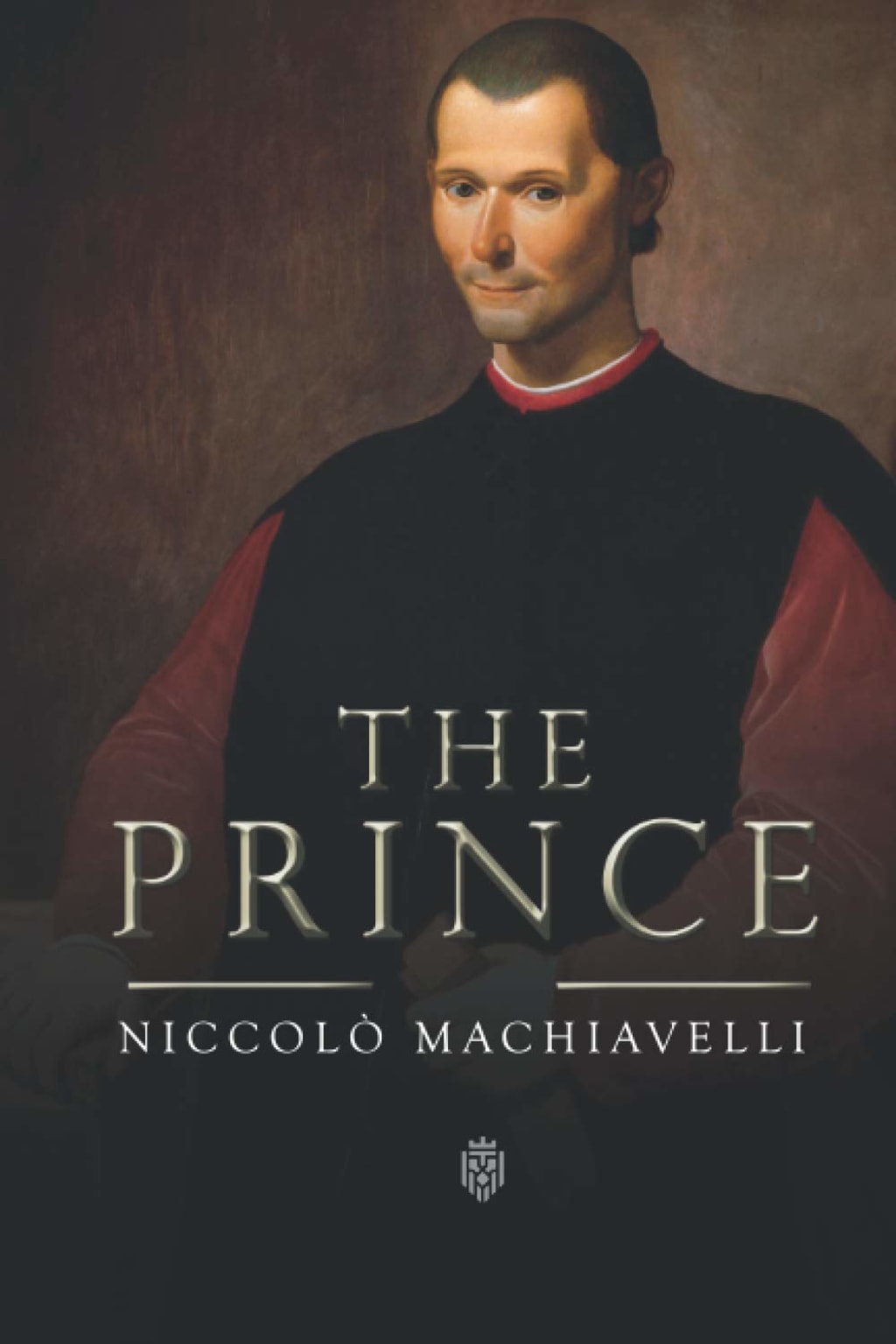
The Prince by Niccolò Machiavelli – Full Summary & Analysis
Machiavelli's pragmatic approach to governance, often summarized by the phrase "the ends justify the means," provides a candid examination of how rulers can maintain power and navigate the complexities of political life.

📘 Introduction: Why The Prince Still Matters
Written in 1513 and published posthumously in 1532, The Prince by Niccolò Machiavelli remains one of the most influential works in political theory. Often misunderstood as a manual for tyranny, the book is actually a pragmatic guide for rulers navigating the volatile politics of Renaissance Italy.
Machiavelli’s central thesis? Power must be maintained by any means necessary—even if those means defy conventional morality. This radical departure from idealistic governance earned Machiavelli both admiration and infamy, giving rise to the term “Machiavellian.”
🏰 Historical Context: Italy in Turmoil
At the time of writing, Italy was fragmented into city-states, constantly at war. Florence, Machiavelli’s home, had just undergone a political upheaval, and Machiavelli himself had been exiled. The Prince was his attempt to win favor with the ruling Medici family, particularly Lorenzo de’ Medici, to whom the book is dedicated.
📚 Structure of the Book
The Prince is divided into 26 chapters, grouped into four main sections:
Types of Principalities (Ch. 1–11)
Military Power and Defense (Ch. 12–14)
Qualities of a Prince (Ch. 15–23)
Fortune and Prudence (Ch. 24–26)
🧠 Key Themes and Concepts
1. Types of Rule
Machiavelli distinguishes between hereditary principalities (easy to maintain) and new principalities (harder to control). He emphasizes that rulers of new states must be especially cunning and ruthless to secure loyalty.
2. Power and Morality
He argues that virtue (virtù) is not moral goodness but the ability to shape one’s destiny. A prince must be willing to act immorally if it benefits the state.
“It is better to be feared than loved, if you cannot be both.”
3. Military Might
A strong military is the foundation of a stable state. Machiavelli warns against relying on mercenaries or auxiliaries, advocating for a citizen army loyal to the prince.
4. The Role of Fortune
Machiavelli introduces Fortuna (luck or fate) as a force that can disrupt even the best plans. A wise prince must be adaptable and bold to overcome fortune’s unpredictability.
5. Appearance vs. Reality
A prince must appear virtuous even if he is not. Public perception is more important than private morality.
🔍 Chapter-by-Chapter Breakdown
Chapters 1–2: Introduction to Principalities
Machiavelli defines principalities and sets the stage for his analysis. He distinguishes between hereditary and new states.
Chapters 3–5: Maintaining Power
He explores how to hold newly acquired territories, especially those with different languages and customs. Assimilation and strategic cruelty are key.
Chapters 6–9: Routes to Power
Machiavelli discusses rulers who gained power through prowess (skill) or fortune (luck). He praises Cesare Borgia for his strategic brilliance despite his eventual downfall.
Chapters 10–11: Ecclesiastical Principalities
These are ruled by religious institutions and are unique in their stability, largely due to divine authority.
Chapters 12–14: Military Strategy
Machiavelli insists that war is a constant reality and that rulers must study military tactics. He criticizes reliance on foreign troops.
Chapters 15–18: Ethics and Leadership
Here, Machiavelli famously argues that the ends justify the means. A prince must be willing to lie, cheat, and manipulate if it secures power.
“A prince must learn how not to be good.”
Chapters 19–23: Public Image
Maintaining the goodwill of the people is essential. Machiavelli advises rulers to avoid being hated, even if feared.
Chapters 24–26: Fortune and Italy’s Future
Machiavelli laments Italy’s disunity and calls for a strong leader to unify the country. He ends with a passionate appeal to Lorenzo de’ Medici.
🖋️ Writing Style and Tone
Machiavelli’s prose is direct, pragmatic, and unapologetically blunt. He avoids philosophical abstractions, focusing instead on real-world examples from Roman history and contemporary politics. His tone is urgent, reflecting his desire to return to political relevance.
Q: What is The Prince about? A: It’s a political treatise offering practical advice to rulers on how to gain and maintain power, often through morally questionable means.
Q: Who was Niccolò Machiavelli? A: A 16th-century Italian diplomat, philosopher, and writer known for his realist approach to politics.
Q: Is The Prince still relevant today? A: Yes. Its insights into leadership, strategy, and human nature are widely studied in politics, business, and ethics.
Q: What is Machiavellianism? A: A term derived from Machiavelli’s work, referring to cunning, strategic, and often ruthless behavior in politics or personal affairs.
Q: Where can I buy The Prince?
🧠 Final Takeaways
The Prince is a manual for power, not morality.
Machiavelli’s advice is rooted in realpolitik, not idealism.
The book remains a cornerstone of political philosophy, studied by leaders and scholars worldwide.
Its lessons apply beyond politics—to business, strategy, and personal leadership.
📦 Ready to Read?
If you’re looking to understand the foundations of modern political strategy, The Prince is essential reading. Whether you're a student, entrepreneur, or political enthusiast, this book will challenge your assumptions and sharpen your strategic thinking.
About the Creator
TAPHA
Hi! Whether you're looking for insightful answers or a fresh perspective on a topic,I'm here to provide engaging, accurate,and thought-provoking content tailored just for you. Stick around, and let's explore the world of knowledge together!
Keep reading
More stories from TAPHA and writers in Confessions and other communities.


Comments
There are no comments for this story
Be the first to respond and start the conversation.