
1929: Inside the Greatest Crash in Wall Street History — And How It Shattered a Nation
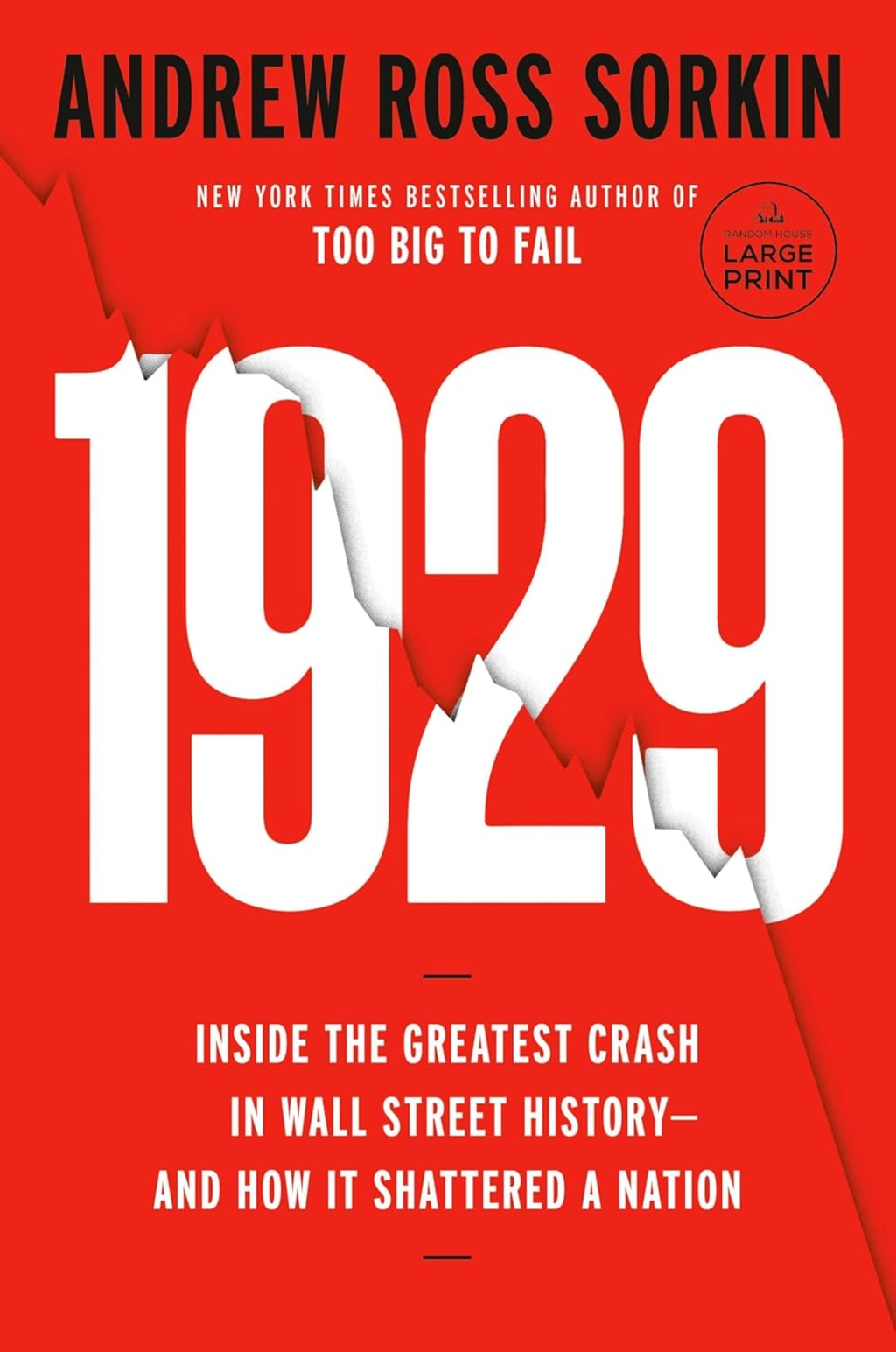
From the bestselling author of Too Big to Fail, “the definitive history of the 2008 banking crisis,”* comes a spellbinding narrative of the most infamous stock market crash in history.

📖 Introduction: Why the 1929 Crash Still Matters Today
The Wall Street Crash of 1929 is more than just a historical event—it’s a cautionary tale about speculation, greed, and the fragility of financial systems. In 1929: Inside the Greatest Crash in Wall Street History—and How It Shattered a Nation, bestselling author Andrew Ross Sorkin (famous for Too Big to Fail) delivers a sweeping narrative that blends financial history, human drama, and timeless lessons.
This book is not only about the collapse of the stock market but also about the psychology of investors, the political battles in Washington, and the lasting scars on American society. For readers interested in economic history, financial crises, or parallels to modern markets, Sorkin’s work is both gripping and deeply relevant.
🌎 The Roaring Twenties: A Prelude to Disaster
The Boom Before the Bust
The 1920s were marked by unprecedented economic growth.
Consumer credit expanded, automobiles and radios became household staples, and Wall Street became the symbol of prosperity.
Stock ownership spread beyond elites—ordinary Americans invested heavily, often with borrowed money.
Speculation and Leverage
Investors bought stocks on margin, sometimes putting down only 10% of the price.
This created a house of cards, where even small declines could trigger massive sell-offs.
Sorkin highlights how unchecked optimism blinded both professionals and amateurs.
📉 Black Thursday, Black Monday, and Black Tuesday
The Days That Shook the World
October 24, 1929 (Black Thursday): Panic selling began, with 12.9 million shares traded.
October 28 (Black Monday): The market fell nearly 13%.
October 29 (Black Tuesday): A record 16 million shares changed hands, wiping out billions in value.
The Human Toll
Families lost life savings overnight.
Banks collapsed under the weight of bad loans.
The crash was not just financial—it was psychological devastation.
🏦 Wall Street Titans and Washington Power Brokers
Sorkin paints vivid portraits of the characters who shaped the crisis:
Charles Mitchell (National City Bank): Aggressive promoter of stocks, symbolizing Wall Street’s recklessness.
Herbert Hoover (President): Struggled to reassure the nation but underestimated the depth of the crisis.
Speculators and Dreamers: From small-town investors to Wall Street elites, everyone was caught in the frenzy.
The book shows how ego, ambition, and denial fueled the disaster.
📊 Systemic Fragility and Collapse
Why the Crash Happened
Over-leverage: Too much debt magnified losses.
Weak Regulation: No SEC, no FDIC, and little oversight.
Psychological Herding: Investors followed the crowd, amplifying panic.
The Domino Effect
Bank failures spread across the country.
Businesses cut jobs, leading to mass unemployment.
The crash triggered the Great Depression, reshaping global politics and economics.
💡 Key Themes and Lessons
1. Speculation and Risk
Unchecked speculation always ends in collapse. The 1929 crash mirrors later crises like 2008’s financial meltdown.
2. Systemic Fragility
Financial systems are only as strong as their weakest links. Without regulation, greed dominates.
3. National Consequences
The crash wasn’t just about Wall Street—it shattered a nation, leading to poverty, migration, and political upheaval.
4. Modern Resonance
Sorkin draws parallels between 1929 and today’s markets, warning that “this time is different” is the most dangerous phrase in finance.
✍️ Writing Style and Narrative Power
Reads like a thriller, despite being nonfiction.
Balances economic analysis with human stories.
Makes complex financial mechanisms accessible to general readers.
📚 Critical Reception
The New York Times called it a “definitive chronicle of America’s darkest financial hour.”
Kirkus Reviews: Praised it as “a sobering yet essential reminder of capitalism’s vulnerabilities.”
Readers: Found it both engrossing and chilling, especially in its parallels to modern crises.
If you’re searching for:
1929 stock market crash summary
Andrew Ross Sorkin’s 1929 book review
Great Depression causes and lessons
Financial history books like Too Big to Fail
This book is a must-read resource that combines history, finance, and storytelling.
📌 Conclusion: Why You Should Read 1929
Andrew Ross Sorkin’s 1929 is more than a history book—it’s a mirror for our times. It reminds us that markets are driven by human psychology as much as numbers, and that ignoring warning signs can lead to catastrophe.
For investors, entrepreneurs, students, and history lovers, this book offers both a gripping narrative and timeless lessons.
👉 Buy1929: Inside the Greatest Crash in Wall Street History—and How It Shattered a Nation on Amazon
About the Creator
TAPHA
Hi! Whether you're looking for insightful answers or a fresh perspective on a topic,I'm here to provide engaging, accurate,and thought-provoking content tailored just for you. Stick around, and let's explore the world of knowledge together!
My New Book is Finally Here
My poetry collection Beautiful and Brutal Things is done. It's actually done and finally published over 270 pages. Over a year of my life went into this book. More than a year, really. Long days at my computer, sometimes seven days a week because I couldn't stop even when I probably should have. Then two months of editing that felt harder than the writing itself. But it's finished, and I'm still standing, and the book is real.
By Tim Carmichael2 days ago in BookClub



Comments
There are no comments for this story
Be the first to respond and start the conversation.