
The Hidden Power of Emojis and GIFs in Online Communication
The Hidden Power of Emojis and GIFs in Online Communication

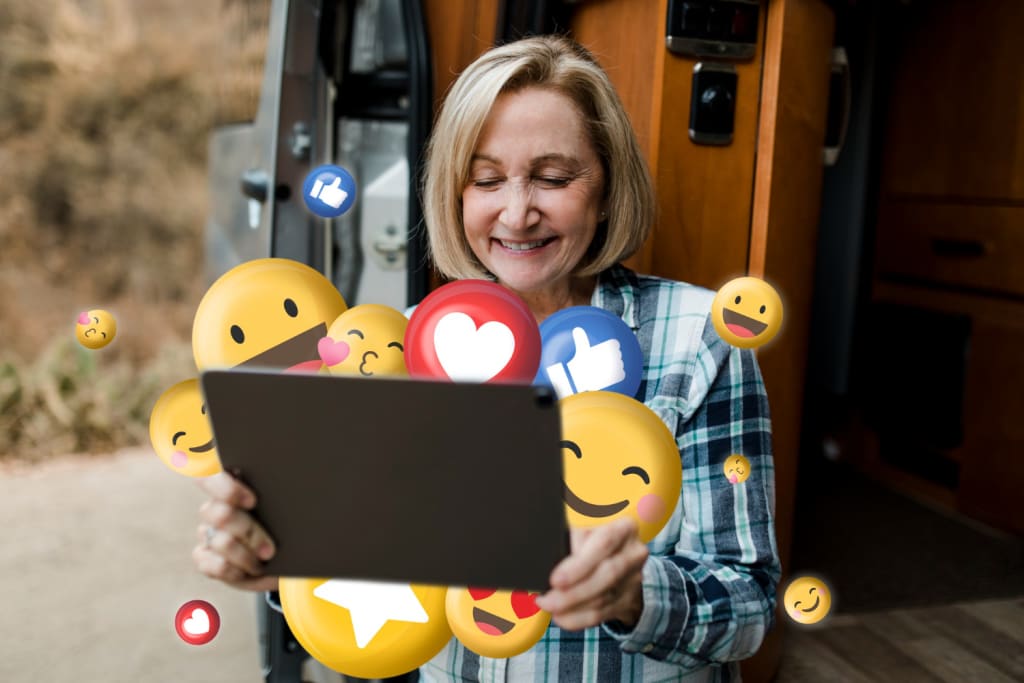
In today's fast-paced digital world, communication has evolved far beyond simple text messages. As someone who spends a great deal of time in online conversations—whether for work, personal relationships, or professional networking—I've come to understand that the subtle elements of online messaging, such as emojis and GIFs, hold a significant, often hidden power. These seemingly small additions to our digital exchanges offer a wealth of meaning, emotion, and context that text alone can often miss. In this article, I want to explore the hidden power of emojis and GIFs in online communication, how they help build connections, enhance relationships, and bridge gaps in understanding.
1. The Role of Emojis in Online Conversations
When I think about online communication, emojis are among the first things that come to mind. They’ve become a language in their own right, and their prevalence across social media platforms, texting apps, and email has made them essential tools for expressing emotions. Emojis are versatile and dynamic, offering a quick way to enhance or clarify messages. For example, when I’m texting a friend, sending a simple “thumbs up” emoji can convey agreement or affirmation far more efficiently than typing out the entire word.
But the magic of emojis is not only in their efficiency; it's in their ability to convey emotions in a context where non-verbal cues like tone of voice and facial expressions are missing. Take the laughing face emoji, for instance. In an online conversation, it serves as a subtle hint that something is funny, softening the blow of a dry or otherwise neutral sentence. Without it, the message could come across as cold or impersonal. Emojis allow me to add warmth, playfulness, and intimacy to my communication, which is crucial in both personal relationships and professional ones.
2. Creating Emotional Connections
Over the years, I’ve noticed that emojis have the ability to create emotional connections that would otherwise be hard to establish in a digital space. One of the reasons this happens is because emojis transcend language barriers. A smiley face or a heart emoji can carry the same emotional weight whether I’m talking to someone in Tokyo, New York, or Paris. This universal symbolism is something text alone can’t achieve, especially in a world full of different languages and dialects.
For example, imagine having a conversation with a colleague from a different country. Without the use of emojis, it can be difficult to gauge the tone of their message or whether they’re truly excited or just politely responding. However, if they add a “fire” emoji or a clapping hands emoji, I immediately understand that they’re genuinely excited or appreciative. This makes the conversation feel more human and less robotic. Emojis help smooth over the potential for miscommunication, fostering emotional bonds despite geographic distance.
3. Building and Strengthening Relationships
As someone who interacts with a wide variety of people in different professional and personal contexts, I’ve found that emojis and GIFs play a crucial role in building and nurturing relationships. When I’m texting with a friend, sending a random funny emoji or a silly sticker can lighten the mood and create a sense of camaraderie. It’s a form of non-verbal communication that is less formal and more playful, which often helps me feel closer to the other person.
The same principle applies to professional relationships, albeit with a more measured approach. Over the years, I’ve learned that emojis can humanize communication in the workplace. In a Slack message or an email, adding a subtle smiley or thumbs-up emoji can go a long way in signaling positivity or goodwill. These small gestures demonstrate that I’m approachable and open to communication, which is especially important in building rapport with coworkers and clients. In fact, studies have shown that incorporating emojis into professional communication can improve the tone of an email and make it feel less terse or robotic.
Moreover, emojis help break down the barriers that exist in virtual communication. We often don’t realize it, but a lot of our communication is reliant on body language, facial expressions, and tone of voice. In an email or text, these elements are lost. Emojis fill that gap, providing context that words alone may lack. For example, a sentence like “That’s a great idea” might seem neutral on its own, but when paired with a smiling face or clapping hands emoji, it takes on a much more enthusiastic tone. This fosters positive interactions, which is the cornerstone of relationship-building.
4. The Magic of GIFs: More than Just Humor
While emojis are incredibly powerful, GIFs bring an entirely different level of nuance to online communication. As someone who has used GIFs extensively in my conversations, I can tell you that their impact goes far beyond simply being funny. A well-chosen GIF can enhance a message, clarify emotions, and make an interaction feel more dynamic and engaging.
GIFs are a versatile form of expression that add layers of meaning to our messages. For instance, a GIF of someone nodding thoughtfully can underscore agreement or understanding in a way that a static emoji might not. When I use a GIF of a celebratory dance, it’s not just about celebrating; it’s about conveying excitement, energy, and fun in a way that words or even emojis can’t replicate. GIFs breathe life into conversations, allowing me to communicate complex emotions or actions in a fun, engaging manner.
Moreover, GIFs can serve as powerful storytelling tools. A short looped animation can evoke a deeper sense of connection or empathy, allowing me to share a feeling that words may fall short of capturing. When I’m chatting with a close friend and we’re reminiscing about a fun memory, I often send a relevant GIF—perhaps from a movie we both love—that brings the memory to life. It’s not just about the GIF itself, but the shared understanding and context it invokes, which strengthens the bond between us.
5. The Psychological Impact of Emojis and GIFs
Emojis and GIFs have more than just a social or cultural influence—they also have a psychological impact on our online interactions. Research has shown that people are more likely to feel emotionally connected and satisfied with a conversation that includes emojis and GIFs. In fact, they can enhance the feeling of warmth and empathy in a digital environment. As someone who engages in daily online conversations, I’ve found that these tools are not just about conveying emotions; they actually shape how we perceive each other.
For example, the use of emojis can trigger positive emotional responses, making the recipient feel more appreciated, understood, or connected. This is particularly important in a world where so much of our communication is text-based, which can often come across as impersonal. In contrast, using emojis and GIFs can make interactions feel more intimate and human, reducing the emotional distance that technology sometimes creates.
6. The Dark Side: Overuse and Misinterpretation
As much as I advocate for the use of emojis and GIFs, it's important to acknowledge that there can be a downside to their overuse or misapplication. Emojis, if used excessively or inappropriately, can clutter a message and dilute its impact. For example, an overuse of emojis in a professional setting can come across as unprofessional, and a poorly chosen GIF can create confusion or seem out of place. In some cases, emojis can even be misinterpreted, leading to misunderstandings.
Therefore, context is key. As someone who navigates online conversations regularly, I’ve learned that understanding the appropriate time and place for emojis and GIFs is crucial. When used thoughtfully and sparingly, these digital tools can elevate communication and strengthen relationships. But when overused or misused, they can detract from the intended message.
Conclusion
The hidden power of emojis and GIFs in online communication is far more significant than most people realize. As someone who spends a considerable amount of time in digital spaces, I’ve come to understand how these tools not only enhance the clarity of messages but also foster emotional connections and build stronger relationships. Emojis and GIFs break down barriers, making our digital communication more human, expressive, and engaging. Whether you're looking to add warmth to a work email, make your friends laugh, or convey a deep sense of empathy, these seemingly small elements can have a profound impact on how we connect with others in an increasingly virtual world.
Please note that this article may contain affiliate links, and the opinions shared are based on my personal experiences and perspectives.
About the Creator
Tracy Larson
A relationship and communication coach dedicated to supporting people in building meaningful connections online and offline.
Keep reading
More stories from Tracy Larson and writers in Confessions and other communities.
Beyond the Surface: Unearthing Deep Connections on Cosmiochat
In the ever-evolving landscape of online socializing, finding platforms that facilitate deep connections can feel like navigating a crowded marketplace. While many services prioritize fleeting interactions and superficial engagements, a growing number of individuals are seeking digital spaces where they can forge meaningful bonds. Enter Cosmiochat, a platform that, from its inception, has positioned itself as a haven for those yearning for deeper online connections. But simply joining a platform isn't enough; understanding how to leverage its specific features is key to unlocking its potential for fostering truly significant relationships.
By Tracy Larson9 months ago in Confessions



Comments