
The Healing Power of Boredom: Why Doing Nothing Can Be Everything
Rediscovering Clarity, Creativity, and Peace in the Moments We Try to Avoid
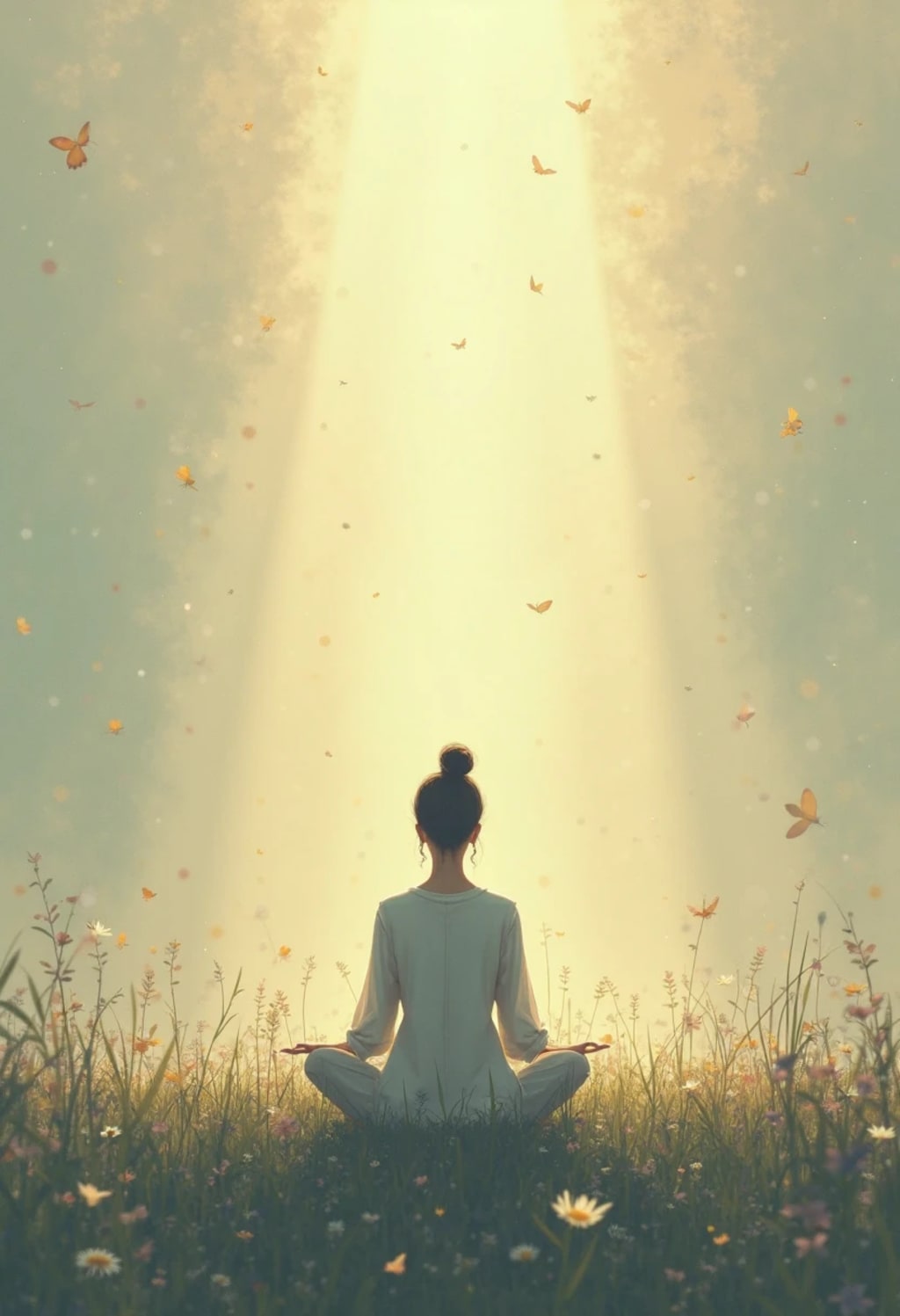
In today’s hyperconnected, fast-paced world, boredom is almost seen as a disease—something to be cured with a scroll, a click, or a binge. We’ve been conditioned to equate boredom with laziness or wasted time, always feeling the pressure to be productive, engaged, or entertained. But what if boredom isn’t a problem to be solved, but a gift we’ve forgotten how to unwrap?
Contrary to popular belief, boredom isn't the enemy. In fact, it might be one of the most essential tools we have for self-reflection, creativity, and healing. Learning to sit with boredom—to really do nothing—can be a radical act of mental, emotional, and even spiritual restoration.
Let’s explore how boredom, when embraced, can become a gateway to everything we’re seeking: clarity, creativity, peace, and purpose.
Our Addiction to Constant Stimulation
Most of us live in a state of near-constant stimulation. Notifications buzz, screens glow, schedules overflow. Even our “rest” is often filled with streaming services, social media, or online shopping. The idea of just sitting still with no agenda feels foreign, even uncomfortable.
We’ve confused stimulation with satisfaction. The moment we feel a pause in activity or an ounce of stillness, we reach for our phones or find something to “do.” But this constant state of distraction prevents us from connecting with our inner world. We lose touch with our thoughts, our feelings, and ultimately, ourselves.
In a world where doing is glorified, not doing can feel threatening. Yet it’s in those quiet, seemingly “boring” moments that profound transformation can begin.
The Science Behind Boredom and the Brain
Interestingly, psychologists have found that boredom isn't just about having nothing to do—it's about a lack of meaningful engagement. And when the brain is bored, it doesn’t shut down—it turns inward. This state, known as the Default Mode Network (DMN), activates when our minds are at rest but awake. The DMN is closely linked to creativity, introspection, and problem-solving.
Have you ever noticed how your best ideas come in the shower or while taking a walk? That’s not a coincidence. When you're not actively focusing on a task, your brain starts connecting the dots, weaving together fragments of thoughts into new patterns.
Allowing ourselves to be bored can unlock parts of the mind that are otherwise inaccessible in a state of constant doing.
Creativity: Boredom’s Most Beautiful Side Effect
Many artists, writers, and thinkers have spoken of the importance of boredom in the creative process. J.R.R. Tolkien began writing The Hobbit while grading papers. Isaac Newton developed theories of gravity and motion while isolated during the Great Plague. These breakthroughs weren’t born from hustle—they were born from pause.
When we allow ourselves to get bored, we also allow the subconscious mind to surface. Ideas incubate in silence. Stories begin to unfold. Solutions to problems we’ve been stuck on for weeks may suddenly appear.
By making space for nothing, we create room for everything—especially the things that matter most.
Boredom as Emotional Detox
Boredom also has emotional value. It’s a kind of detox for the soul. When we stop running from one task or distraction to another, our deeper feelings catch up with us. This can be uncomfortable at first, but it’s necessary for healing.
Often, we use busyness to avoid facing painful truths—grief, regret, loneliness, fear. Doing nothing allows these emotions to surface, be felt, and ultimately be processed.
In this way, boredom isn’t emptiness—it’s space. And that space can be filled with truth, growth, and emotional clarity.
Reclaiming the Art of Doing Nothing
Doing nothing is not laziness. It’s a conscious decision to step off the treadmill of constant action. It’s about creating space in our lives where silence isn’t awkward, but welcome.
Here are some ways to reclaim the healing power of boredom:
1. Digital Detox
Start small: turn your phone off for an hour a day. Sit with the discomfort. Notice what your brain tries to do—reach for distractions, invent to-do lists, etc. Gently redirect yourself back to stillness.
2. Stare Out the Window
Yes, really. Give yourself 15 minutes to do absolutely nothing but look out the window. Watch the clouds. Listen to the wind. Let your mind wander.
3. Unstructured Time
Schedule “white space” in your calendar—blocks of time with no agenda. No productivity. No goals. Just existence.
4. Walk Without a Podcast
Let your next walk be free of headphones or screens. Observe your surroundings. Let thoughts come and go without judgment.
5. Practice Mindful Waiting
Whether in line at the grocery store or stuck in traffic, resist the urge to fill the space with your phone. Simply wait. Breathe. Be.
The Resistance to Doing Nothing
It’s important to acknowledge that doing nothing can feel incredibly difficult at first. We’ve been taught that rest must be earned, that productivity is proof of our worth. Sitting still can stir anxiety, guilt, or restlessness.
But these reactions are part of the process. They are signs of detoxing from a culture of overstimulation. With time, those feelings subside, and you begin to feel the spaciousness, the relief, the freedom.
Doing Nothing in a World That Demands Everything
Of course, not everyone has the luxury to take hours off or unplug completely. Many of us live demanding lives filled with work, family, and responsibilities. But “doing nothing” isn’t about escaping reality. It’s about pausing within it.
Even five minutes of intentional stillness can be powerful. It’s less about duration and more about depth.
The healing power of boredom lies not in abandonment of duty, but in the reclamation of our attention. It’s about remembering that we are not machines. We need rest. We need space. We need silence.
Boredom as a Portal to Presence
When we strip away the noise, the distractions, the busyness—we meet ourselves. And sometimes that meeting is the most important thing we can do.
Boredom brings us back to the present. It reminds us that life isn’t just about what we achieve, but about how we feel, think, and are in each moment.
It invites us to look around, to breathe, to remember that we are alive—not just functioning.
Final Thoughts: Everything Starts with Nothing
The next time you find yourself reaching for your phone out of habit or scrolling mindlessly through feeds, pause. Ask yourself: What would happen if I just sat here, in this moment, and did nothing?
At first, you might feel restless. Then, you might start to notice your thoughts. And then—if you stay a little longer—you might just hear something deeper: a whisper of an idea, a forgotten dream, a spark of inspiration, or simply a sense of peace.
That’s the power of boredom. It gives us back to ourselves.
Because sometimes, doing nothing is the most important something we can do.
About the Creator
Keep reading
More stories from Aiman Shahid and writers in Confessions and other communities.
Escaping the Comparison Trap: Life Beyond Likes and Followers
Introduction We live in an age where validation often comes in the form of hearts, thumbs-up, and follower counts. Social media platforms—originally created to connect us—have morphed into arenas of silent competition, where every post becomes a performance and every like a measure of worth. In this reality, comparison is inevitable and, more dangerously, addictive.
By Aiman Shahid6 months ago in Confessions
The Last Day of the Year
My New Year Countdown Clock indicates that I have just over five hours left before this year is over. I am stuck in the suburbs with my mother and stepfather, contemplating what I am going to eat and drink to celebrate this great change in our lives. The weather is cold, but I do not feel as though it has really affected my attitude about what the new year will bring...but I am not as happy with this moment as I usually feel.
By Kendall Defoe 15 days ago in Confessions
Am i Demon-possesed?
On my journey to trying to understand the development of schizophrenia I've endured over the last five years, has given me the ultimate question. Am I demon-possessed? Let me begin by expressing the psychosis I was in five years ago It started when I was living away from family. Now, it's important to not that the brain and mind are interchangeable and schizophrenia is a brain disease. From what I've been told and the major consumption of research it is a chemical imbalance in the brain that has been brought on by stress, trauma, genetics, environmental factors such as an emotionally distressing event, drugs, and psychological factors.
By Cerina Galvan2 days ago in Confessions


Comments
There are no comments for this story
Be the first to respond and start the conversation.