
The Engineers Made a Very Big Mistake in the Construction of the Burj Khalifa
Uncovering the Hidden Flaws Behind the World's Tallest Skyscraper

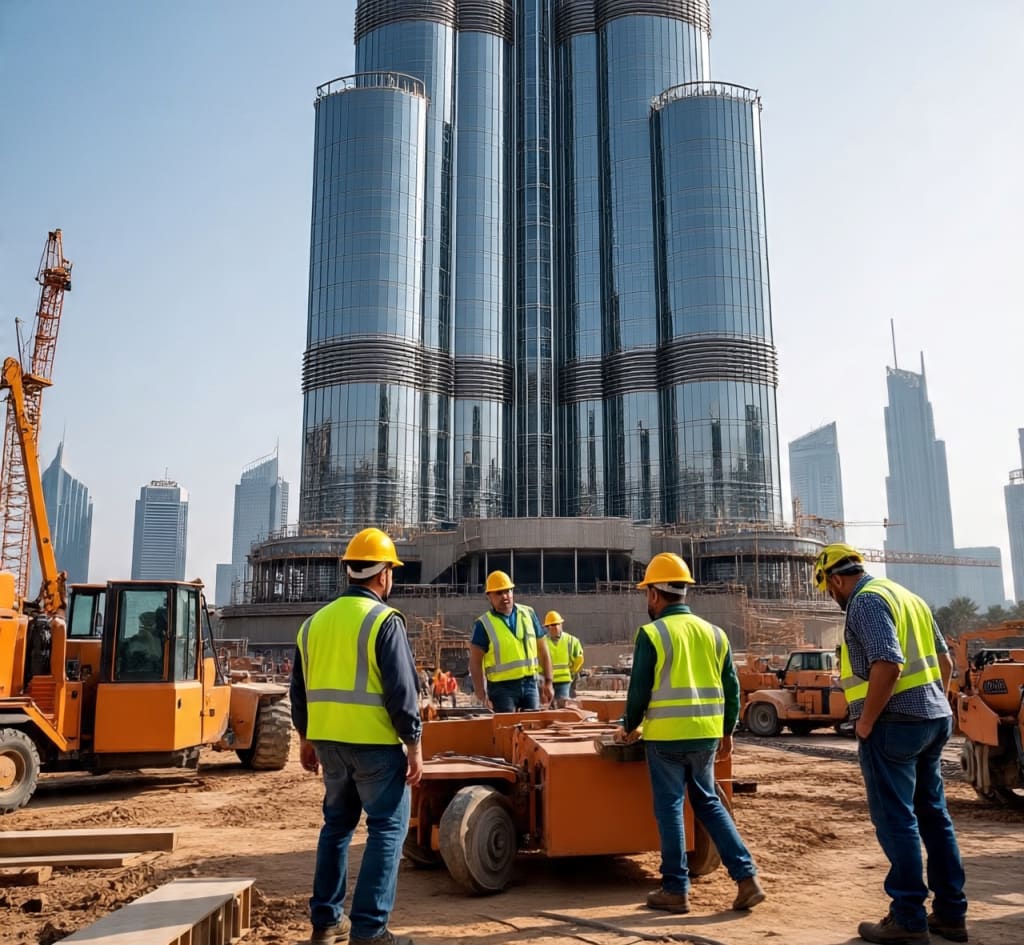
When we look at the Burj Khalifa, we see a masterpiece of modern architecture. It is the tallest building in the world and a symbol of progress and pride for Dubai. However, behind the shining glass, strong steel, and stunning height, there lies a serious engineering issue — a big mistake that many people don’t know about. This mistake was not a small error, but one that could have caused major problems for the city and the environment.
- The Dream That Reached the Clouds
The Burj Khalifa stands at 828 meters (2,717 feet) tall, with 163 floors. It took more than 22 million man-hours to complete and officially opened in January 2010. Built by Samsung C&T, along with architects from Skidmore, Owings & Merrill, it was designed to be a global icon. And truly, it became one. But every great story has its challenges — and the Burj Khalifa is no exception.
- The Giant Mistake: Sewage and Drainage Problems
The major engineering mistake was related to the sewage and drainage system. With such a tall and large building, you would expect it to be connected directly to the city’s underground sewage network. But the Burj Khalifa was not connected to Dubai’s main sewage system when it first opened! Instead, all the waste from the building had to be collected in large tankers and trucked out daily to sewage treatment plants located far away from the city. Can you imagine that? A building that houses thousands of people, luxury restaurants, hotels, and offices — all sending out human waste in trucks!
- Why Was This a Problem?
- Traffic and Delays:
Each day, hundreds of sewage trucks had to line up to take waste from the Burj Khalifa. This caused major traffic issues around the building and on the highways leading to treatment plants.
2.Environmental Damage:
The trucks used a lot of fuel, producing pollution and noise, and added to the carbon footprint of the building. A sustainable tower should not create such environmental pressure.
3.Hygiene Risks:
If trucks were delayed or overloaded, there was a risk of sanitary problems inside the tower. With so many people using water and toilets, waste management was critical.
4.Poor Planning:
Many critics said that not connecting the tower to the main sewage system showed poor planning and communication between the engineering teams and city officials.
How Did This Happen?
There are a few reasons behind the mistake:
Dubai was expanding rapidly. The city’s infrastructure was not ready for a tower this size.
The building was completed faster than the city's underground sewage updates.
The project was focused more on height, beauty, and global record-breaking than long-term support systems.
Even though Dubai is known for its advanced technology, sometimes things get rushed to meet deadlines and public expectations.
Was It Fixed?
Yes, in recent years, Dubai’s infrastructure has improved. It is believed that the sewage issue has been resolved or greatly reduced. However, for the first few years, this flaw was a major challenge and embarrassment for a building that was meant to show perfection.
Lessons to Learn
Engineering is not just about design — it's about function.
A building must work well every day, not just look good in photos.
Big dreams need strong foundations — including hidden ones.
Plumbing, waste management, and city planning are just as important as elevators and lights.
Every success has flaws — and it’s okay to talk about them.
Understanding these flaws helps future projects become better.
Final Thoughts
The Burj Khalifa will always be a wonder of the modern world. But even the tallest buildings can have the smallest cracks in planning. The sewage issue of the Burj Khalifa reminds us that no project is perfect. While we admire the skyline, we should also admire the engineers who fix problems quietly behind the scenes.
Mistakes don’t mean failure — they mean learning. Even in the most perfect-looking places, there is always room for improvement.
About the Creator
aadam khan
I am publishing different stories
Keep reading
More stories from aadam khan and writers in Confessions and other communities.
Curry and Comfort
Some people say comfort comes from a warm blanket or a kind word. For me, comfort has always come from curry. Not just the dish itself, but the sound of spices hitting hot oil, the scent that fills every room, and the love that lingers in each bite. Curry is my connection to home, to my childhood, to my family. It's more than food—it's a feeling.
By aadam khan7 months ago in Confessions
Thoughts on Vocal and the way the world is
"Death cannot stop true love, only delay it." – Wesley in The Princess Bride. I decided to come back to Vocal on a very cold and dark night at the end of December. I had been, and still am, convalescing from a horrible staph infection that had gone misdiagnosed for months. This, paired with the increasing challenges of being healthy, making the best choices for my co-parented child, being a wife, and being a director at a new job, was a lot to manage.
By Jazzy 2 days ago in Confessions



Comments
There are no comments for this story
Be the first to respond and start the conversation.