
The effects of social media on mental health
Social media platforms like Instagram and Facebook have become ingrained in the lives of countless individuals

Social media has revolutionized the way we communicate, socialize, and consume information. Platforms like Facebook, Twitter, Instagram, and TikTok have millions of active users worldwide, and they have become an integral part of our daily lives. However, there is growing concern about the impact of social media on mental health. In this article, we will explore the effects of social media on mental health.
One of the most significant effects of social media on mental health is the increase in anxiety and depression. Studies have shown that people who spend more time on social media are more likely to experience symptoms of anxiety and depression. This is because social media can be a source of stress, as people compare their lives to others and feel inadequate or left out. Additionally, social media can be a platform for cyberbullying, which can have a devastating impact on mental health.
Another negative effect of social media on mental health is the decrease in self-esteem. People are bombarded with images of other people's seemingly perfect lives, which can make them feel insecure about their own lives. This can lead to a constant need for validation and approval, which can be exhausting and harmful to mental health.
Social media addiction is also a growing concern. People can become so hooked on social media that they neglect other aspects of their lives, including work, relationships, and self-care. This can lead to feelings of guilt, anxiety, and depression.
However, social media can also have positive effects on mental health. For example, social media can be a source of social support, especially for people who feel isolated or marginalized. People can connect with others who share similar experiences and find a sense of belonging and validation.
Social media can also be a platform for mental health advocacy and awareness. People can share their stories and experiences with mental illness, raise awareness about mental health issues, and provide resources and support to others.
Social media has also been linked to sleep disturbances, which can have a negative impact on mental health. The blue light emitted from electronic devices can disrupt the body's natural circadian rhythms and interfere with sleep. Additionally, the constant stimulation and exposure to social media can make it difficult for people to wind down and relax before bedtime.
Another concern is the impact of social media on body image and eating disorders. Studies have shown that social media use can contribute to negative body image and disordered eating behaviors, particularly among young women. Social media can promote unrealistic beauty standards and create pressure to conform to a certain body type, which can lead to feelings of shame, guilt, and anxiety.
In addition to individual impacts, social media can also have broader societal effects on mental health. For example, social media can contribute to the spread of misinformation and conspiracy theories, which can undermine public trust and fuel feelings of anxiety and uncertainty. Social media can also exacerbate political polarization and social divisiveness, which can lead to feelings of anger, frustration, and hopelessness.
To address the negative effects of social media on mental health, there are several strategies that individuals and society can employ. For example, social media companies can take steps to reduce the spread of harmful content, such as misinformation, cyberbullying, and hate speech. Individuals can also take steps to protect their mental health, such as setting boundaries on social media use, engaging in self-care activities, and seeking support and help when needed.
In conclusion, while social media has many benefits, it can also have negative effects on mental health. It is important to be mindful of these risks and to take steps to protect our mental health and well-being in the digital age. By using social media responsibly and promoting mental health awareness and advocacy, we can harness the power of social media to create a more positive and supportive online community.
About the Creator
Keep reading
More stories from Suresh and writers in Confessions and other communities.
Thoughts on Vocal and the way the world is
"Death cannot stop true love, only delay it." – Wesley in The Princess Bride. I decided to come back to Vocal on a very cold and dark night at the end of December. I had been, and still am, convalescing from a horrible staph infection that had gone misdiagnosed for months. This, paired with the increasing challenges of being healthy, making the best choices for my co-parented child, being a wife, and being a director at a new job, was a lot to manage.
By Jazzy 4 days ago in Confessions
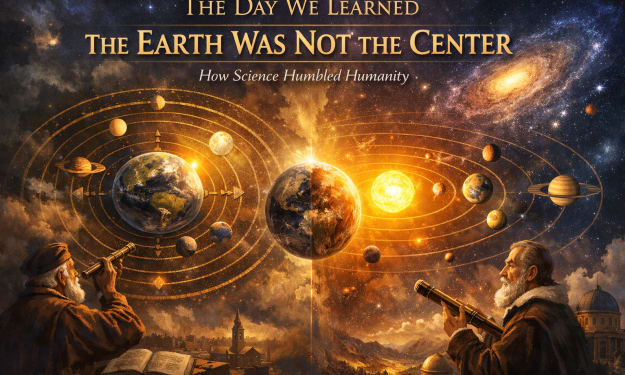
The Day We Learned the Earth Was Not the Center
For thousands of years, humans believed they stood at the center of everything. The sky revolved around us. The stars existed for us. The universe, vast and mysterious, was thought to circle the Earth like a grand stage designed for human life. This belief wasn’t just scientific—it was emotional, spiritual, and deeply personal. To say Earth was the center meant we mattered most. Then one day, science quietly but firmly changed that story forever.
By Aiman Shahid2 days ago in Confessions



Comments
There are no comments for this story
Be the first to respond and start the conversation.