
The Effect of Mobile Dating Apps on Millennial and Gen Z Relationship Trends: My Perspective
The Effect of Mobile Dating Apps on Millennial and Gen Z Relationship Trends: My Perspective

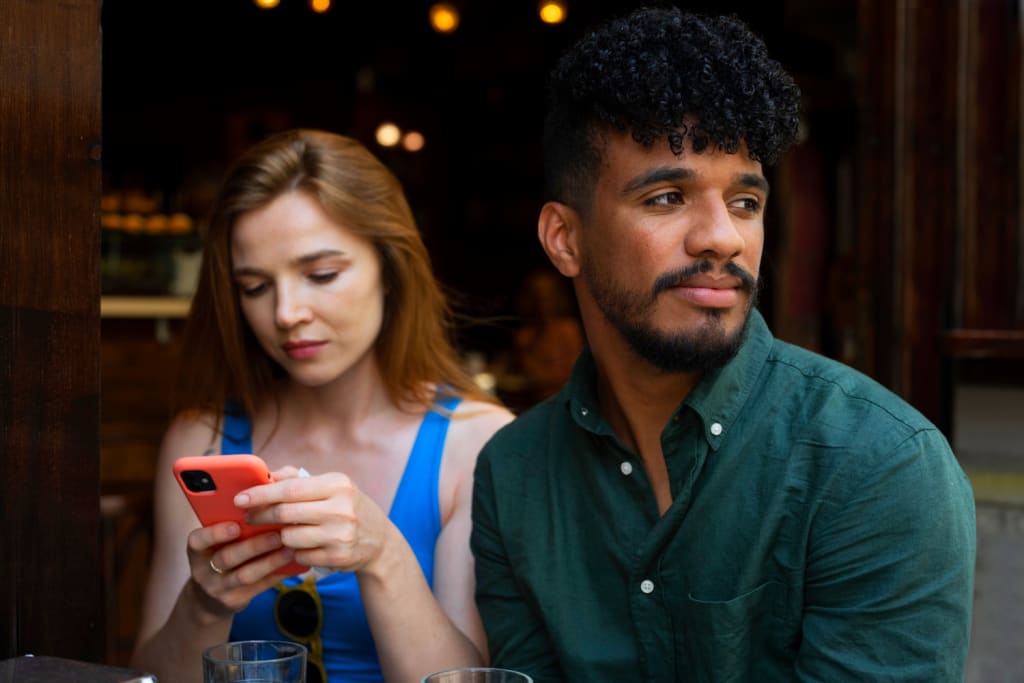
When I first downloaded a dating app years ago, I had no idea I was stepping into a digital revolution. What started as a swipe here and a message there has now become an integral part of how my generation—and the one after mine—experiences love, dating, and even heartbreak. Mobile dating apps have transformed how Millennials and Gen Z form romantic relationships, and I’ve seen and felt this shift firsthand.
This article isn’t just data and observation—it’s my lived experience, alongside stories from friends and trends I’ve watched unfold in real time. Here’s how mobile dating apps are shaping the way we connect, date, and define relationships in the 21st century.
Dating Is Now Digital-First—And That Changes Everything
Growing up, I remember people still met through school, friends, work, or random coincidences at the grocery store. Now? The most common “how we met” story starts with: “We matched on [insert app here].”
For Millennials like me, dating apps appeared when we were already adults, so we witnessed the before-and-after. For Gen Z, dating apps are the default. These platforms have digitized the initiation phase of relationships, turning love into a process of swipes, bios, emojis, and strategic likes.
This digital-first approach has changed how we perceive attraction and compatibility. Instead of building emotional connections over time, we often make quick decisions based on a few pictures and a punchy tagline. It’s efficient, but it can also be emotionally exhausting.
Expanding the Dating Pool—But Narrowing the Depth?
One of the biggest benefits I’ve experienced is access. Dating apps give me the chance to meet people I would never run into in my daily life. They break geographic, cultural, and even linguistic barriers. I’ve dated people I never would’ve met otherwise—and that’s powerful.
But while the pool has expanded, the depth of connection sometimes suffers. I’ve had dozens of “talking stages” that never turned into anything meaningful. With so many options available, people (myself included) can easily fall into the trap of treating dating like shopping: if one match doesn’t work out instantly, just move on to the next.
This mentality affects both Millennials and Gen Z. But Gen Z, being more digitally native, seems even more adept at juggling multiple connections—while also struggling with emotional burnout from the constant stimulation.
Casual Culture vs. Commitment
Dating apps have given rise to a more casual dating culture. When everyone is just a swipe away, the pressure to commit often fades. In my experience, and from what I hear from friends, it's common to date multiple people simultaneously with no intention of serious commitment.
This shift doesn’t mean love is dead—it just looks different. Some people thrive in the freedom of casual connections. Others, like me at times, find ourselves longing for something more rooted. Millennials often straddle the line—we still value long-term relationships, but we’re flexible. Gen Z, on the other hand, seems more open to fluid relationship structures, experimenting with labels, and defining love on their own terms.
Communication Styles Have Evolved—For Better and Worse
Let’s talk about texting, emojis, and ghosting. Mobile dating apps have normalized new forms of communication. At first, I loved the ease of chatting with someone without the pressure of face-to-face interaction. But over time, I noticed how this ease can also lead to avoidance, miscommunication, and even cruelty.
Ghosting—a term that barely existed before dating apps—is now part of everyday language. And while Gen Z seems more emotionally fluent and open about their mental health, many still struggle to communicate relationship expectations clearly. I’ve ghosted, and I’ve been ghosted, and neither feels great.
The upside? Some apps now nudge users to be more mindful, promoting honest conversations and offering prompts that go deeper than surface-level banter. That’s a start.
Redefining Relationship Norms and Identity
Dating apps have also opened up space for identity exploration. I’ve seen both Millennials and Gen Z use these platforms to express their gender and sexual identities more freely than ever before. Non-monogamy, polyamory, queer relationships—all of these are more visible and normalized thanks to dating apps.
Especially for Gen Z, who are the most diverse and inclusive generation yet, dating apps have become a tool for self-expression and community building. The openness is refreshing, and it challenges all of us to rethink old relationship paradigms.
The Downsides: Anxiety, Self-Worth, and Overwhelm
But let’s not pretend it’s all sunshine and successful matches. I’ve felt the pressure of curating the perfect profile. I’ve questioned my worth after being unmatched. I’ve scrolled endlessly, hoping for validation or connection, only to feel drained.
Millennials, raised in a mix of analog and digital worlds, often experience cognitive dissonance: we value deep, real-world connection but keep coming back to the convenience of apps. Gen Z, meanwhile, has grown up with social media metrics, and that influences how they approach dating—likes, matches, streaks, and validation are all part of the game.
This can take a toll on mental health. I’ve had to take breaks from apps to reconnect with what I really want—and I know I’m not alone in that.
Final Thoughts
Dating apps have fundamentally changed how my generation and the one after mine experience relationships. They’ve brought us closer in some ways and created new challenges in others. But ultimately, they’re part of a broader evolution of love in the digital age.
Whether you’re a Millennial navigating the balance between analog romance and digital convenience or a Gen Z-er defining relationships on your own terms, one thing’s for sure: dating has changed forever—and we’re all learning to love differently.
Please note that this article may contain affiliate links, and the opinions shared are based on my personal experiences and perspectives.
About the Creator
Tracy Larson
A relationship and communication coach dedicated to supporting people in building meaningful connections online and offline.
Keep reading
More stories from Tracy Larson and writers in Confessions and other communities.
What Makes Youmetalks a Legit Communication Platform?
In an age where digital interactions are an essential part of daily life, finding a communication platform that offers both functionality and safety is more critical than ever. Youmetalks is one such platform gaining attention for its distinctive approach to online socializing. But is Youmetalks legit?
By Tracy Larson5 months ago in Confessions


Comments