
The Digital Divide: Bridging Gaps in the Information Age
Addressing Inequities in Access to Technology and Its Impact on Education and Employment
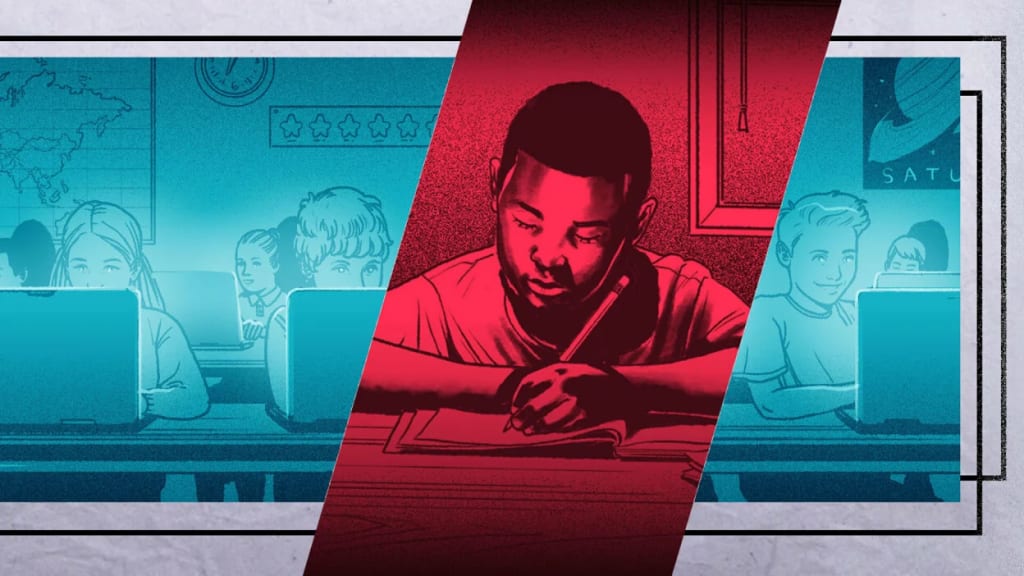
The digital divide refers to the gap between individuals and communities who have access to and can effectively use digital technologies and those who do not. As technology increasingly permeates all aspects of life, from education and employment to healthcare and social interaction, bridging this divide has become crucial for ensuring equitable opportunities and addressing systemic inequalities. This article explores the dimensions of the digital divide, its impact on various sectors, and strategies for closing the gap.
#### 1. **Understanding the Digital Divide**
The digital divide encompasses disparities in access to technology, internet connectivity, and digital literacy. It affects individuals and communities differently, depending on factors such as geography, socioeconomic status, and educational background.
**Access to Technology:** Access to digital devices such as computers, smartphones, and tablets varies widely. Individuals in low-income households or rural areas may lack the necessary technology to participate fully in the digital world.
**Internet Connectivity:** Reliable internet access is essential for engaging with online services and resources. The digital divide is evident in areas with limited broadband infrastructure, where high-speed internet is either unavailable or prohibitively expensive.
**Digital Literacy:** Beyond access, digital literacy refers to the ability to effectively use technology and navigate online environments. Individuals with limited digital skills may struggle to take advantage of online resources and opportunities.
#### 2. **Impact on Education**
The digital divide has significant implications for education, affecting students' ability to learn and succeed in a technology-driven world.
**Remote Learning:** The COVID-19 pandemic highlighted disparities in access to remote learning. Students in underserved communities often faced challenges such as lack of devices, unreliable internet, and inadequate digital skills, impacting their ability to participate in online classes.
**Educational Resources:** Access to digital resources, such as online textbooks, research databases, and educational software, can enhance learning opportunities. Students without reliable internet or devices may miss out on valuable educational content.
**Skill Development:** Digital literacy is increasingly important for academic success and future career opportunities. Schools and educators need to address digital skill gaps to ensure all students are prepared for a technology-driven workforce.
#### 3. **Impact on Employment**
The digital divide also affects employment opportunities, job performance, and career advancement.
**Job Search and Application:** Many job applications and recruitment processes are conducted online. Individuals without access to technology or digital skills may face difficulties in applying for jobs or accessing employment resources.
**Remote Work:** The rise of remote work has underscored the importance of having the necessary technology and internet connectivity. Employees in lower-income or rural areas may face challenges in working from home, impacting their job performance and career prospects.
**Skill Requirements:** The modern job market increasingly demands digital skills. Workers who lack these skills may find it challenging to compete for jobs and advance in their careers. Upskilling and reskilling initiatives are needed to address these gaps.
#### 4. **Strategies for Bridging the Digital Divide**
Addressing the digital divide requires a multifaceted approach that involves government, private sector, and community efforts.
**Infrastructure Development:** Expanding broadband infrastructure to underserved and rural areas is critical. Investments in high-speed internet and telecommunications infrastructure can improve connectivity and access.
**Affordable Access:** Making technology more affordable is essential for reducing disparities. Programs that provide subsidized or donated devices and internet access to low-income households can help bridge the gap.
**Digital Literacy Programs:** Enhancing digital literacy through education and training programs can empower individuals to effectively use technology. Schools, libraries, and community organizations can offer workshops and resources to improve digital skills.
**Policy and Advocacy:** Governments and policymakers play a key role in addressing the digital divide. Initiatives such as the Federal Communications Commission's (FCC) Emergency Broadband Benefit and various local programs aim to support broadband access and affordability.
**Community Engagement:** Engaging communities in identifying and addressing local digital needs is crucial. Community-driven initiatives can tailor solutions to specific challenges and ensure that efforts are responsive to the needs of underserved populations.
#### 5. **The Future of the Digital Divide**
As technology continues to evolve, addressing the digital divide will remain a dynamic and ongoing challenge. The following trends and developments will shape the future of digital equity:
**5G and Next-Generation Connectivity:** The rollout of 5G technology promises to enhance internet speeds and connectivity. Ensuring that this technology is accessible to all, including underserved areas, will be essential for bridging the digital divide.
**Artificial Intelligence and Automation:** The integration of AI and automation into various sectors will impact the demand for digital skills. Preparing the workforce for these changes through education and training will be important for maintaining equitable opportunities.
**Global Perspectives:** The digital divide is a global issue, and international collaboration is needed to address disparities in technology access. Efforts to improve digital infrastructure and skills worldwide can contribute to closing the global digital divide.
#### Conclusion
The digital divide remains a significant barrier to equitable access to technology and opportunities in the information age. By addressing disparities in access, connectivity, and digital literacy, we can work towards a more inclusive and equitable digital future. Collaboration between governments, private sector, and community organizations will be key to closing the gap and ensuring that all individuals have the tools and skills needed to thrive in a technology-driven world.
About the Creator
Yusuf Ismail
You should read my articles because I strive to provide insightful, well-researched perspectives on important and timely topics that impact our lives and future. I aim to offer practical advice, foster understanding, and encourage action :)
Keep reading
More stories from Yusuf Ismail and writers in Confessions and other communities.
Thoughts on Vocal and the way the world is
"Death cannot stop true love, only delay it." – Wesley in The Princess Bride. I decided to come back to Vocal on a very cold and dark night at the end of December. I had been, and still am, convalescing from a horrible staph infection that had gone misdiagnosed for months. This, paired with the increasing challenges of being healthy, making the best choices for my co-parented child, being a wife, and being a director at a new job, was a lot to manage.
By Jazzy 3 days ago in Confessions
The Day I Stopped Shrinking Myself
There comes a moment in life when you finally see yourself clearly—not through the eyes of others, not through expectations, criticism, or comparison—but through your own. For me, that moment arrived quietly. No dramatic argument. No public declaration. Just a simple realization: I was exhausted from pretending to be smaller than I truly was.
By Aiman Shahid5 days ago in Confessions




Comments
There are no comments for this story
Be the first to respond and start the conversation.