
The Digital Detox Movement: Why Unplugging is Becoming the New Luxury
How stepping away from screens can restore balance, boost creativity, and reconnect us with what truly matters.
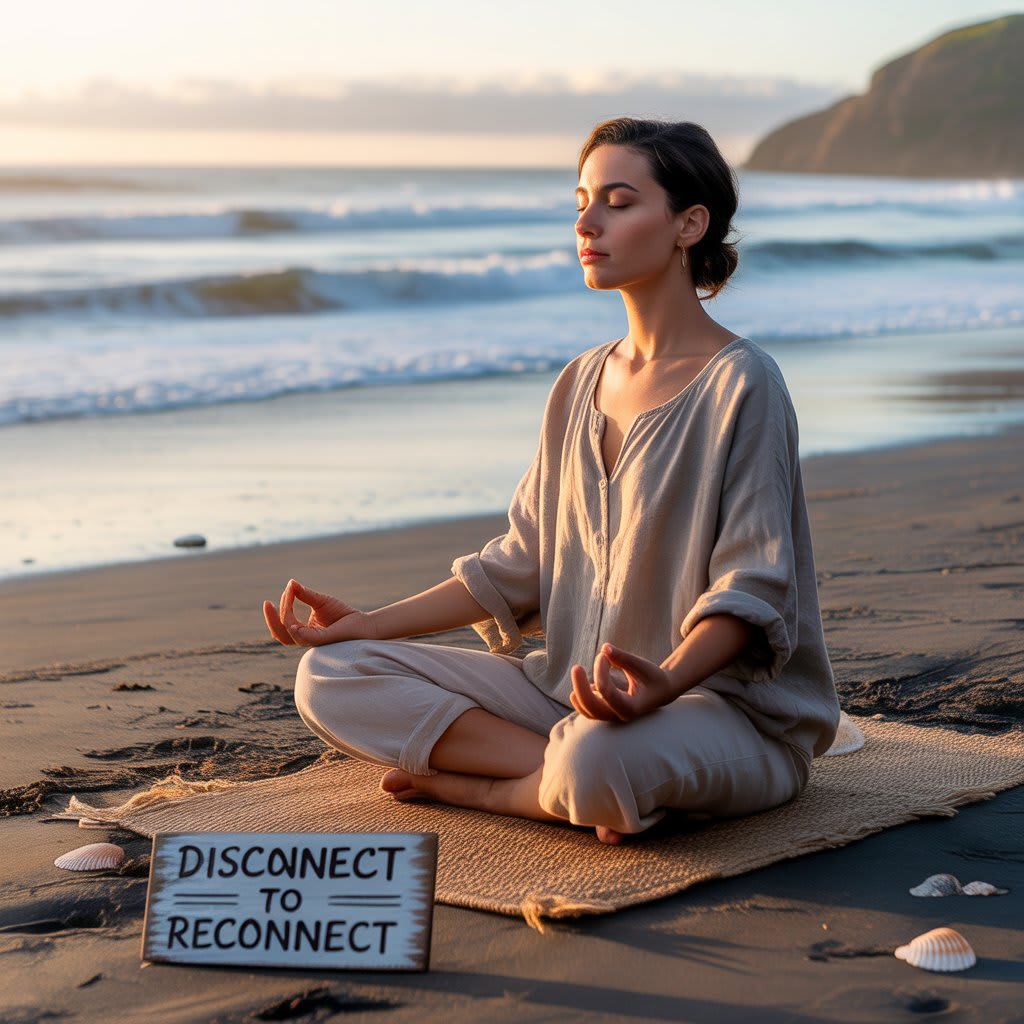
Introduction: The Age of Always-On
We live in a world that never sleeps. Notifications buzz, emails flood in at midnight, and social feeds refresh endlessly. Being "always available" has become the cultural norm, but it comes with hidden costs—rising stress levels, declining focus, and an erosion of genuine human connection. Out of this environment, the digital detox movement has emerged. For some, unplugging feels like deprivation. For others, it has become the ultimate form of luxury: time, attention, and presence reclaimed.
Why We’re Addicted to Our Screens
Smartphones and digital platforms are engineered for attention. Every ping, like, and scroll triggers a dopamine hit, training our brains to crave more. The average person checks their phone over 150 times a day, often without realizing it. While technology offers convenience, it also fosters dependency. This dependency can leave us mentally fatigued, distracted, and disconnected from the physical world around us.
What was once a tool for productivity has, in many cases, become a leash. Breaking free is no small feat—but that’s where the detox comes in.
The True Cost of Constant Connection
Mental Health Strain: Studies link excessive screen time to anxiety, depression, and burnout. The comparison culture of social media can fuel feelings of inadequacy.
Sleep Disruption: Blue light exposure delays melatonin production, making restful sleep harder to achieve.
Declining Productivity: Multitasking between tabs and apps often results in “attention residue,” where focus splinters, lowering work quality.
Weakened Relationships: Constant scrolling during family dinners or conversations can erode intimacy and presence.
In short, our digital saturation is costing us peace, clarity, and connection.
Digital Detox as the New Luxury
Luxury has always been about scarcity. In past decades, it meant material abundance—designer clothes, cars, or rare possessions. But in today’s hyper-connected age, the scarcest commodity isn’t material—it’s attention.
True luxury is now measured by the ability to switch off, to be unreachable, to savor silence. Just as spa retreats once symbolized indulgence, digital-free spaces are becoming the modern equivalent. Think of remote cabins with no Wi-Fi, restaurants banning phones at tables, or luxury resorts offering "digital-free packages." For the affluent, paying for disconnection is the ultimate status symbol.
The Benefits of Unplugging
Reclaiming Presence: Without notifications pulling us away, we can actually listen, notice, and engage with the moment.
Boosting Creativity: Many artists and thinkers argue that boredom fuels innovation. By stepping away from screens, we allow our minds to wander and make new connections.
Improved Health: Less screen time reduces stress and eye strain while improving sleep patterns.
Deeper Relationships: Face-to-face conversations feel richer when devices are tucked away. Presence communicates value.
Rediscovery of Leisure: Reading, walking, cooking, or simply daydreaming—all simple joys that thrive in the absence of digital noise.
Micro Detoxes: Small Steps That Matter
You don’t need a week-long retreat in the mountains to start detoxing. Often, the most powerful changes are small and consistent. Some practical strategies include:
Screen-Free Mornings: Begin the day without checking your phone for the first hour.
Tech-Free Meals: Keep devices off the dining table to encourage connection.
Notification Management: Turn off non-essential alerts.
Digital Sabbaths: Dedicate one day a week—or even a few hours—to being offline.
Analog Activities: Replace scrolling with reading, journaling, or outdoor walks.
The Rise of Digital-Free Tourism
Travel companies are catching on to the trend. Resorts in Bali, Costa Rica, and Iceland now market themselves as “digital detox destinations,” encouraging guests to surrender devices upon arrival. Some even provide sealed lockboxes for phones, ensuring a distraction-free environment.
For travelers, the allure isn’t just escape from routine—it’s escape from constant reachability. Being unreachable has become the modern luxury equivalent of a five-star experience.
Resistance: Why It’s Hard to Unplug
Despite its benefits, unplugging isn’t easy. Work culture often glorifies availability. Social circles sometimes pressure us into quick replies and constant sharing. For many, the idea of being offline sparks anxiety—what if I miss something important?
This fear of missing out (FOMO) is one of the strongest chains tying us to our screens. Yet those who take the plunge often report the opposite—rather than missing out, they rediscover how much they were missing in the real world.
Digital Detox and Generational Shifts
Gen Z: Surprisingly, many young people are leading the detox trend, seeking authenticity and balance in a world they’ve never known without screens.
Millennials: Torn between work demands and wellness aspirations, they are the biggest consumers of detox retreats.
Older Generations: While often less screen-dependent, they too feel the tug of technology, especially as it becomes the primary way to connect with younger family members.
The movement is not about rejecting technology altogether but redefining its role in our lives.
When Digital Detox Becomes Mainstream
As awareness grows, workplaces are experimenting with “right to disconnect” policies, banning after-hours emails to reduce burnout. Schools are incorporating tech-free learning spaces. Even social media companies are adding features to track and limit usage.
What began as a wellness niche is evolving into a societal conversation: how much connection is too much? And how do we build healthier digital habits without abandoning the benefits of technology?
A Balanced Approach: Detox, Not Rejection
The digital detox movement is not about demonizing technology. Smartphones, apps, and platforms are powerful tools that can enhance life when used wisely. The goal is balance—using tech consciously rather than compulsively.
It’s about reclaiming control. Instead of being at the mercy of algorithms and endless feeds, we can choose when and how we engage. The luxury lies not in total disconnection but in intentional connection.
Conclusion: Presence as the New Luxury
In a culture obsessed with speed, availability, and constant updates, the simple act of unplugging has become radical. To put away the phone at dinner, to go for a walk without earbuds, to spend a weekend offline—these are acts of self-liberation.
The digital detox movement reminds us that presence, silence, and attention are not just rare—they are priceless. In an age where being reachable is the norm, being unreachable is the ultimate luxury.
And perhaps the greatest gift of all is realizing that this luxury is not reserved for the wealthy. Anyone can choose to turn off notifications, silence their phone, and step back into the richness of the offline world. The choice to unplug is available to us all—it just requires the courage to claim it.
About the Creator
Keep reading
More stories from Aiman Shahid and writers in Confessions and other communities.
The Gift of Presence: Why Being Fully There Matters More Than Doing More
Introduction: The Age of Distraction We live in an era where productivity is celebrated, busyness is worn as a badge of honor, and multitasking feels like the only way to keep up with life’s demands. Our phones ping with constant notifications, work follows us home through emails, and social media steals hours of our time in endless scrolling. In the midst of this hyper-connected world, we’ve never been more disconnected—from ourselves, from the people we love, and from the simple joys of living.
By Aiman Shahid4 months ago in Confessions


Comments
There are no comments for this story
Be the first to respond and start the conversation.