
The Dark Side of Motivation: When Hustle Culture Drains Your Soul
How the constant pressure to 'grind' and 'never stop' can lead to burnout, anxiety, and the loss of true purpose — and how to reclaim your mental health.
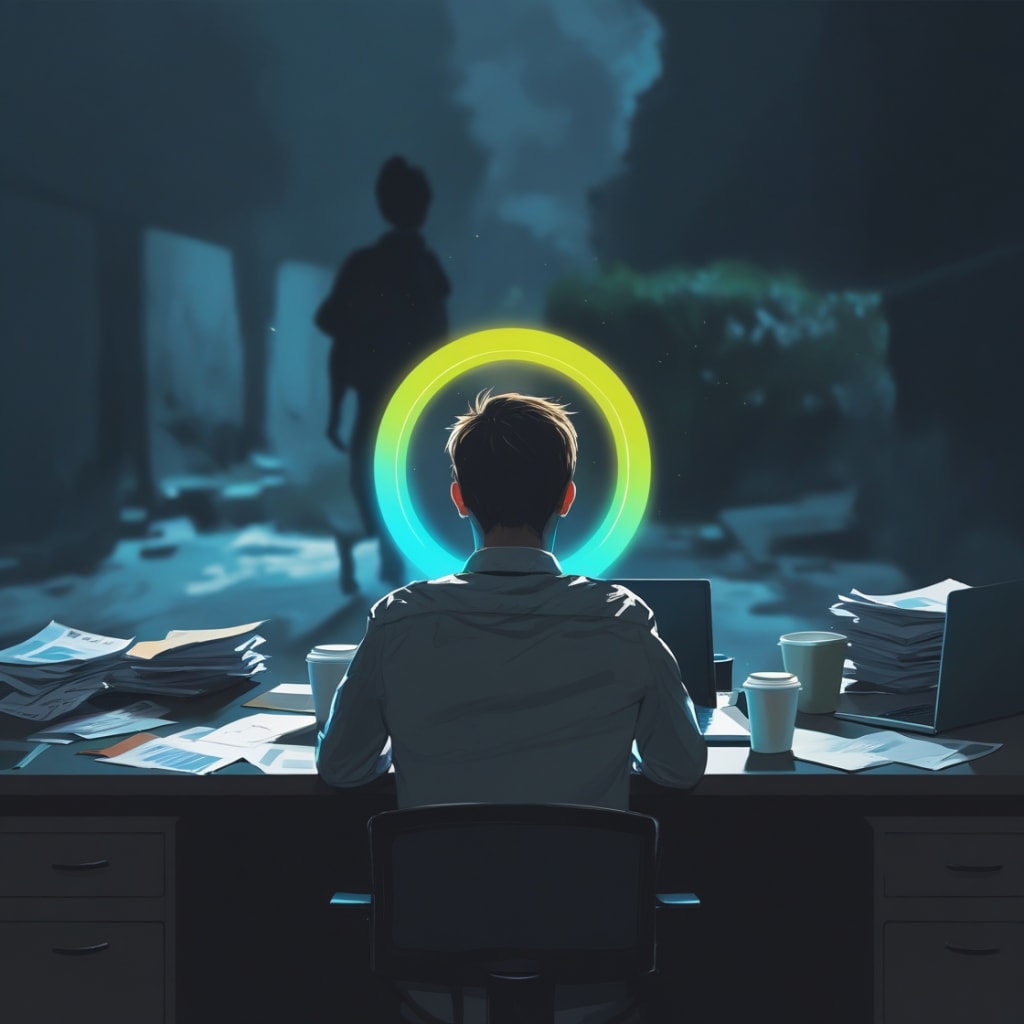
In today’s fast-paced world, there's an unspoken rule: if you're not constantly grinding, you're falling behind. From motivational quotes like "Rise and grind" to the idea of "sleeping less, hustling more," it seems hustle culture has become the benchmark for success. But as we chase the ever-elusive dream of constant productivity, we may not realize that this very pursuit is draining us — body, mind, and soul.
The pressure to always be productive, always be achieving, and always be moving forward can quietly and relentlessly erode our well-being. The question is: when did pushing yourself past your limits become the definition of success? And at what cost?
The Myth of Constant Hustle
The rise of hustle culture isn’t just about working hard — it’s about working nonstop. In today’s social media-driven world, influencers, entrepreneurs, and even our peers flood our feeds with their high-energy lives, inspiring (or pressuring) us to push harder, faster, and more. You hear it everywhere: "Success is earned, not given", "No days off", and "Work hard until your idols become your rivals".
While hard work is important, hustle culture goes beyond that. It's built on the belief that if you're not working around the clock, you're failing. Every hour not spent "grinding" is an hour wasted. This mentality has created a society obsessed with success at the cost of everything else — including mental health, personal time, and the quality of life.
The digital age has blurred the boundaries between work and personal time. With constant access to emails, messages, and apps, it’s almost impossible to disconnect. The pressure to keep going, to "do more," is endless. But in this culture of "more," we often miss out on what truly matters: our well-being, relationships, and mental peace.
The Toxic Impact on Our Mental Health
At first, the constant hustle feels empowering. The more we accomplish, the more we feel like we’re moving towards something important. But soon, the lines between productivity and exhaustion blur. We wake up tired, work through the day on autopilot, and barely have time to relax or care for ourselves. This continuous cycle leads to the insidious problem of burnout.
Burnout isn’t just about physical exhaustion; it’s a complete mental and emotional drain. The relentless pursuit of goals, whether personal or professional, leaves little room for relaxation, creativity, or joy. We begin to feel like we're stuck in a hamster wheel — running hard, but never truly getting anywhere.
Burnout Signs:
Constant Fatigue: No matter how much you sleep, you always feel drained.
Loss of Passion: What once excited you now feels like just another task on your to-do list.
Inability to Focus: Despite being busy, you find it hard to concentrate or make progress on important work.
Social Isolation: The people around you — friends, family — begin to notice your absence, both physically and emotionally.
Self-Doubt: The constant comparison to others who seem to be doing more or achieving more leaves you feeling inadequate.
These are the signs that hustle culture has quietly taken over, leaving us disconnected from our own goals and values. It isn’t about the number of hours worked but about the quality of work and the balance we create between our professional and personal lives.
Why Do We Keep Pushing?
The answer lies in a simple yet powerful force: fear. Fear of not being enough. Fear of being left behind. Fear of being judged for not "hustling hard enough." This fear is often amplified by social media, where success stories are curated and perfection is presented as the norm. We see others constantly moving, achieving, and growing — and we believe that to be successful, we must do the same.
But here’s the reality: success isn't linear. It’s not about grinding 24/7 and chasing external validation. It’s about working smart, finding balance, and recognizing when it's time to step back. The truth is that we are only human, and pushing ourselves relentlessly isn’t sustainable.
Breaking Free: How to Heal from Hustle Culture
The good news is that it’s possible to break free from the toxic cycle of hustle culture. It takes awareness, intentionality, and a shift in mindset. Here are some practical steps to help you reclaim your peace and find balance in a world that demands constant motion:
1. Set Boundaries: Protect Your Time
The first step in escaping hustle culture is to set clear boundaries. Your time is valuable, and you don’t need to work 24/7 to be productive. Designate time for self-care, relaxation, and recharging. Let go of the idea that you have to be "always on." Set a time for work, but equally, set a time for rest. Treat these boundaries as non-negotiable.
When you have clear limits on your work hours, you give yourself permission to rest and recharge. This is essential for maintaining a healthy work-life balance.
2. Embrace the Power of “No”
It’s easy to say yes to everything in the name of opportunity. But learning to say “no” is essential for protecting your time and energy. Saying no isn’t about being selfish — it’s about being intentional with where you place your focus. Prioritize what truly matters and aligns with your goals. Saying no allows you to focus on the right things and stop spreading yourself too thin.
3. Find Joy in the Journey, Not Just the Destination
We often get so fixated on the end goal that we forget to appreciate the process. Shift your mindset from “I’ll be happy when I achieve X” to “I am happy because I’m working on something meaningful today.” Find joy in small wins, in learning, and in personal growth, rather than waiting for the finish line.
4. Invest in Mental and Emotional Well-Being
Self-care isn’t just about bubble baths and massages; it’s about nurturing your mental health. Practice mindfulness, meditate, take breaks, and seek professional help when needed. The more you invest in your well-being, the more sustainable your efforts will be in the long term.
Mental health is the foundation of productivity and success. Taking care of your emotional well-being isn’t a luxury — it’s a necessity.
5. Redefine Success
Finally, redefine what success means to you. Success isn’t about being busy or constantly working hard. True success is about finding fulfillment, balance, and purpose. Success is being able to look at yourself and say, "I am doing my best, and that’s enough."
The Path to True Fulfillment
Hustle culture has created a world where constant motion is mistaken for progress. But real success doesn’t come from exhaustion or being constantly busy. True fulfillment comes from balance, from working with intention, and from taking the time to care for your mind, body, and soul.
When we stop worshipping the grind and instead embrace the beauty of rest, creativity, and meaningful work, we’ll find a deeper sense of purpose — and most importantly, a more sustainable and fulfilling path forward.
Final Thoughts: It’s Time to Slow Down
If you’re feeling overwhelmed by hustle culture, know that you’re not alone. The dark side of motivation is real, but the power to reclaim your peace is in your hands. It’s okay to slow down. It’s okay to rest. You don’t have to hustle to be successful. All you need is to be true to yourself, find joy in the present, and celebrate your own pace.
Let go of the pressure. You’re already enough. Take a deep breath, and take your time.
About the Creator
Keep reading
More stories from Ahmad Ali and writers in Confessions and other communities.
From Cheap Dopamine to Deep Focus: How to Rewire Your Brain for Real Happiness and Mental Strength
In today’s fast-paced digital world, almost everything is just a click away — likes, reels, messages, memes, and endless scrolling. But beneath all this convenience lies a hidden problem: the overuse of cheap dopamine. It’s silently hijacking our brain’s reward system, damaging our ability to focus, memorize, and feel true joy.
By Ahmad Ali9 months ago in Confessions
Thoughts on Vocal and the way the world is
"Death cannot stop true love, only delay it." – Wesley in The Princess Bride. I decided to come back to Vocal on a very cold and dark night at the end of December. I had been, and still am, convalescing from a horrible staph infection that had gone misdiagnosed for months. This, paired with the increasing challenges of being healthy, making the best choices for my co-parented child, being a wife, and being a director at a new job, was a lot to manage.
By Jazzy 3 days ago in Confessions
Finding Herself Between Subway Stops
Manthatan Story The morning sun glinted off the glass towers of Manhattan even before Anika stepped off the subway. The city was already humming with life and noise and possibility. Every block felt like a promise waiting to be fulfilled. She had moved here from a small town in Texas with a suitcase full of clothes and an even bigger bag of dreams. Today was her first day at her new job at the publishing house just off Fifth Avenue.
By Ibskins7 days ago in Confessions
How to Succeed at the Benson Directory®
Congratulations and welcome to the Benson Directory® employee #22391! As our newest call handler, you will have the privilege of speaking with dozens of unique and interesting people on a daily basis as well as the opportunity to earn bonuses for high performance. Contained within this handbook you will find a set of ease to follow instructions designed to help you settle in to your new role and begin paving the way to success.
By S. A. Crawford5 days ago in Fiction



Comments
There are no comments for this story
Be the first to respond and start the conversation.