
The Cost of Being “The Strong One”
They Lean on You Until You Collapse—And No One Notices You’re Breaking

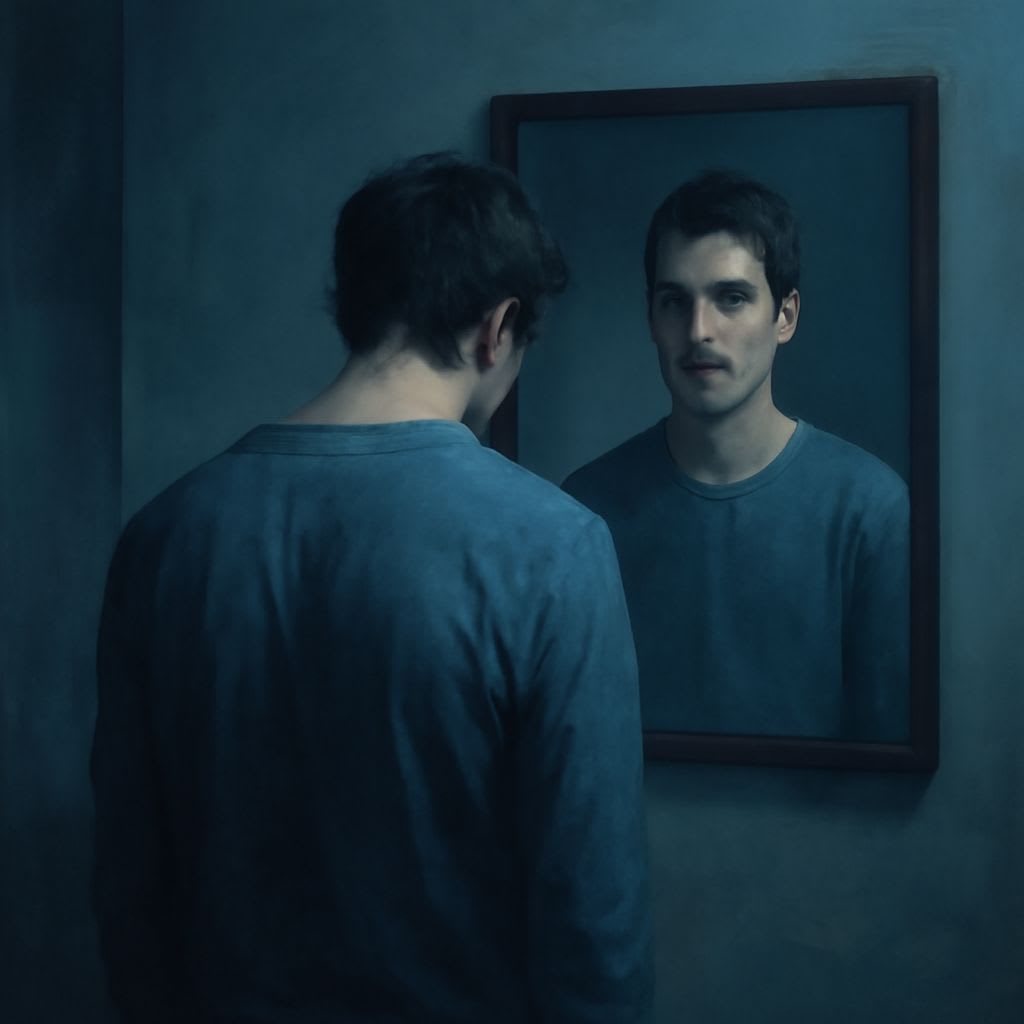
By Nadeem Shah
“You’re so strong.”
“You’ve got this.”
“I don’t know how you do it all.”
At first, those words feel like praise. Like you're doing something right. You’re dependable. Unshakeable. The go-to person when things fall apart. You become the listener, the fixer, the shoulder everyone cries on.
And slowly, without realizing it, you become the strong one.
It’s not a title you asked for. It’s not a role you consciously accepted. It’s something that happens gradually—when you’re the one who keeps showing up, who smiles through your own storms, who quietly manages your own chaos while helping others navigate theirs.
But here’s what no one talks about:
Being the strong one comes with a cost.
And most of the time, no one’s around when the bill comes due.
For me, it started in small, silent ways.
I began waking up already tired. Conversations drained me instead of lifting me. I found myself holding back tears at random times—on the train, in the shower, while brushing my teeth. My appetite dipped. My motivation vanished. And I didn’t tell anyone.
Because that’s the unspoken rule when you’re the strong one:
You don’t get to fall apart.
When friends called, I still answered. When family needed something, I still delivered. When coworkers leaned on me, I still carried the load.
All the while, I was unraveling.
But no one asked.
No one noticed.
And if they did, they assumed I was fine—because I always seemed fine.
Here’s what people don’t understand:
Strength doesn’t mean you’re invulnerable.
It just means you’ve gotten really good at hiding the damage.
The strong one is often the person who has mastered the art of silence. We joke through pain. We redirect conversations. We say “I’m just tired” instead of “I’m overwhelmed.” We keep showing up, because we don’t know what else to do—and because we’re afraid of what will happen if we stop.
And we don't stop. Not until we break.
I remember my breaking point vividly. It wasn’t a dramatic scene. No one witnessed it. It happened quietly, alone in my apartment, on a night when the silence felt heavier than usual.
I sat on my couch and stared at the wall for two hours. I wasn’t scrolling, wasn’t reading, wasn’t thinking. I was numb.
And that scared me more than any panic attack ever could.
Because I realized I had nothing left to give—not to others, not to myself.
I had been emptied out by the constant pouring.
They leaned on me until I collapsed.
And when I did, there was no one there to catch me.
Because no one thought I needed catching.
I had built a reputation around being okay. Around holding it together. And now, no one knew how to hold me.
I felt invisible in my own collapse.
Eventually, I forced myself to reach out. To say the words I had never said before:
“I need help.”
“I’m not okay.”
“I can’t do this alone.”
It felt like failure. Like weakness. But it was actually the first real act of strength I’d allowed myself in years.
One friend cried on the phone with me. Another offered to come over. A third said something I’ll never forget:
“I just didn’t know you were hurting. You’ve always been so strong.”
That’s when I understood the trap I had built for myself.
The world had only seen my armor—never the wounds underneath it.
And in some ways, I had enabled that. I had kept smiling. Kept working. Kept showing up. I had conditioned people to believe I didn’t need anything.
But here’s the truth:
Strong people need care.
Strong people get tired.
Strong people cry alone in bathrooms and scream into pillows and stare blankly into nothing when the world gets too loud.
And if we don’t learn how to ask for help, we’ll eventually burn out in silence.
I’m still learning how to unlearn the patterns of silence. To say no without guilt. To share without apologizing. To remind myself that my worth isn’t defined by how much I can endure.
There’s no medal for emotional martyrdom. No trophy for carrying what should’ve been shared.
So if you’re the strong one in your circle—please, take this as your reminder:
You don’t have to carry it all.
You don’t have to keep pretending.
You don’t have to break quietly.
Let someone in. Let someone hold space for you.
You deserve that too.
Because strength isn’t just about holding others up.
Sometimes, it’s about finally letting yourself fall—so you can rise again, lighter
To the ones always holding others up—you deserve to rest too. You don’t have to be everything for everyone. If this story resonates with you, know that you are not alone.
–Nadeem Shah
About the Creator
Nadeem Shah
Storyteller of real emotions. I write about love, heartbreak, healing, and everything in between. My words come from lived moments and quiet reflections. Welcome to the world behind my smile — where every line holds a truth.
— Nadeem Shah
Keep reading
More stories from Nadeem Shah and writers in Confessions and other communities.
Word of the Day: ホチキス
I don't know the word for Staples. I remember I used to think that Hochikisu was an Onomatopoeia for a stapler rather than a brand name. I am pretty sure I already have this title as a theme, which is making me feel many sort of ways as Vocal is harassing me about payments currently.
By Kayla McIntosh22 days ago in Confessions
They Said Girls Don’t Do That. Turns Out We Always Have
There was a moment on my social media feed recently that felt small and huge at the same time. A woman on video leaned in and said, half joking, half reverent, “When the enemies finally become lovers and no one’s home.” There was a soft buzzing sound underneath the audio. Anyone who understood it understood it immediately. Anyone who didn’t was about to learn. The comment section exploded. Women laughing, women nodding, women confessing, women admitting, women asking, “Wait… we’re allowed to do that?” Like they needed permission. Like someone had to sign it off. Like there had ever been a rulebook handed out in the first place.
By No One’s Daughtera day ago in Confessions
Miss Persephone's Manual to a Seemingly Ordinary Life
Miss Persephone was found at the dining table, her blue eyes swollen, her tears arriving and retreating like the tides of the ocean. Earlier that day, her family had visited her in the retirement home where she had lived for eight years. It was her eightieth birthday.
By Imola Tóth3 days ago in Fiction


Comments
There are no comments for this story
Be the first to respond and start the conversation.