
Soft Launching My Heart: Why Gen Z Doesn’t Want to Define the Relationship Anymore
A deep dive into why we’re ghosting labels, slow-fading connections, and choosing emotional ambiguity in the age of hyper-connection.

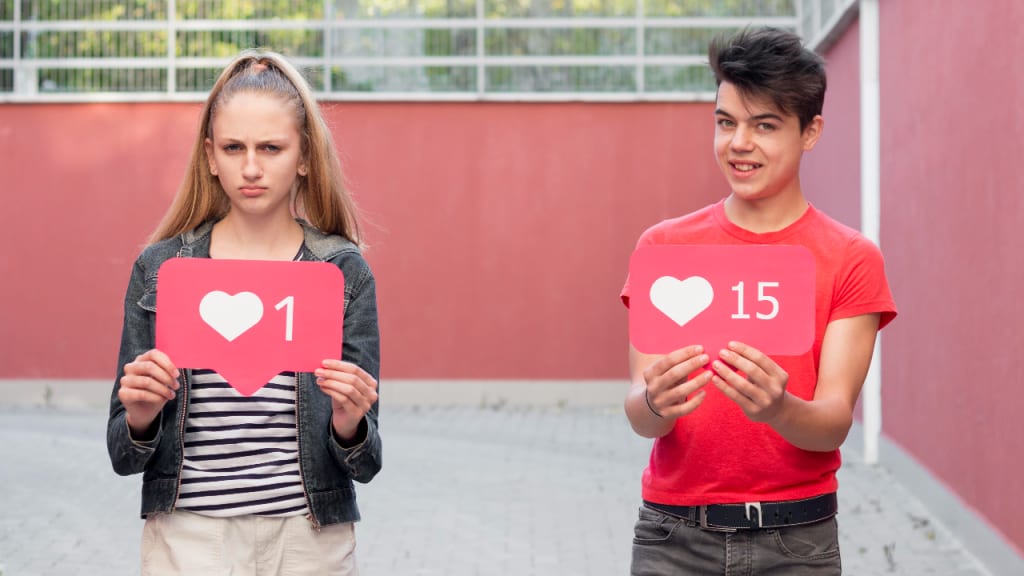
“What are we?”
The most terrifying four words in the modern dating dictionary.
It’s not that we don’t crave love. We do. Deeply. Madly. But for Gen Z, navigating romance in 2025 feels more like decoding a Taylor Swift bridge than finding a soulmate. Welcome to the era of situationships, soft launches, and “talking stages” that last longer than your last situationship itself.
Let’s talk about it.
The Age of the Situationship
A situationship is the Schrödinger’s cat of dating. You're not single, but you’re not exactly together. It’s romantic limbo - emotional purgatory wrapped in curated Instagram stories and heart-reacted DMs.
And it’s everywhere.
We’re dating without dating. Talking without talking. Loving without labeling. Because defining the relationship (DTR) feels... final. Scary. Too “boomer.”
Instead, we soft launch - posting an elbow here, a coffee cup across the table there. We hint, but never confirm.
Because what if naming it ruins it?
Why Are We Like This?
Blame it on the apps. Blame it on culture. Blame it on our collective anxiety. But here’s what’s really going on:
- Choice overload: Tinder, Bumble, Hinge - it’s a digital buffet. Why settle for one when the next swipe might be better?
- Emotional self-protection: Labels make things real. Real things can hurt. Better to keep it ambiguous.
- Social media pressure: Relationships now come with PR management. We’re not just in love - we’re performing it.
- Fear of failure: Divorce rates. Childhood trauma. Seeing our parents’ relationships fall apart. We’re scared to start something we might not be able to finish.
So we stay in the gray area. Because it’s safer there.
But Ambiguity Has a Cost
Here’s the thing. When we ghost real conversations, we also ghost real connection.
We delay vulnerability in the name of vibe-checking. We avoid clarity so we can avoid rejection. But in doing so, we invite confusion, anxiety, and heartbreak that’s just... less obvious.
Ambiguity doesn’t protect us from pain. It just spreads it out.
What We’re Really Looking For
Deep down, most of us want what every generation wanted:
To be seen. To be known. To be loved, in a way that feels safe and chosen.
But Gen Z doesn’t just want love - we want emotional fluency. We want partners who understand attachment styles, who go to therapy, who send voice notes when they’re overwhelmed instead of vanishing for three days.
We want conscious connection. We just don’t always know how to ask for it.
It’s Okay to Want More
Let’s normalize asking the hard questions. Let’s stop treating clarity like it’s cringe.
You’re allowed to want a label.
You’re allowed to say, “I need more.”
You’re allowed to walk away from the vibe if it’s costing you your peace.
Soft launching your heart is fine - until it starts feeling like you’re the only one doing the emotional heavy lifting.
Your Feelings Are Valid - Even If the Relationship Isn’t Defined
This post isn’t about shaming modern dating. It’s about calling out the patterns that keep us stuck.
You deserve a connection that doesn’t make you second-guess your worth every time they leave you on “Read.” You deserve clarity, even if it’s not commitment.
So go ahead. Ask what you are. Define it - or don’t.
Just make sure you’re not shrinking your needs to fit into someone else’s comfort zone.
Let’s Talk About It
Have you ever been in a situationship that left you emotionally drained?
Do you think Gen Z is afraid of commitment - or just redefining it?
💬 Share your story in the comments. Let’s have the conversation most people are afraid to start.
About the Creator
Lily
My name is Lily, and I've faced many challenges in life. People have often taken advantage of me, using me for their own gain. Now, I'm sharing the captivating stories and mysteries from my life, both personal and with those around me.
Keep reading
More stories from Lily and writers in Confessions and other communities.
I Fell for a Fantasy: Dating Someone Who Only Loved Me Online
The Internet Made It Feel Real - Until I Met Him in Person It started with fire emojis. Then the late-night replies. The inside jokes. The saved voice notes. The “good morning” texts that made my heart race.
By Lily11 months ago in Confessions
Word of the Day: 付け合わせ
I woke up too late for my appointment. I didn't set a timer but, I also didn't remember that it was at freaking 8 am. I made a video for Youtube explaining my 180 degree change of mood. I really think it was just that it was my mom's birthday sort of mentally dragging me down. Since it was my birthday time when I decided not to talk to her anymore. It has been a month then... It doesn't feel like it has been a month. Well a month and 10 days.
By Kayla McIntosh6 days ago in Confessions


Comments
There are no comments for this story
Be the first to respond and start the conversation.