
Smoking vs Vaping - Which Is Worse?
The eternal vape vs cigarette debate is still raging on.

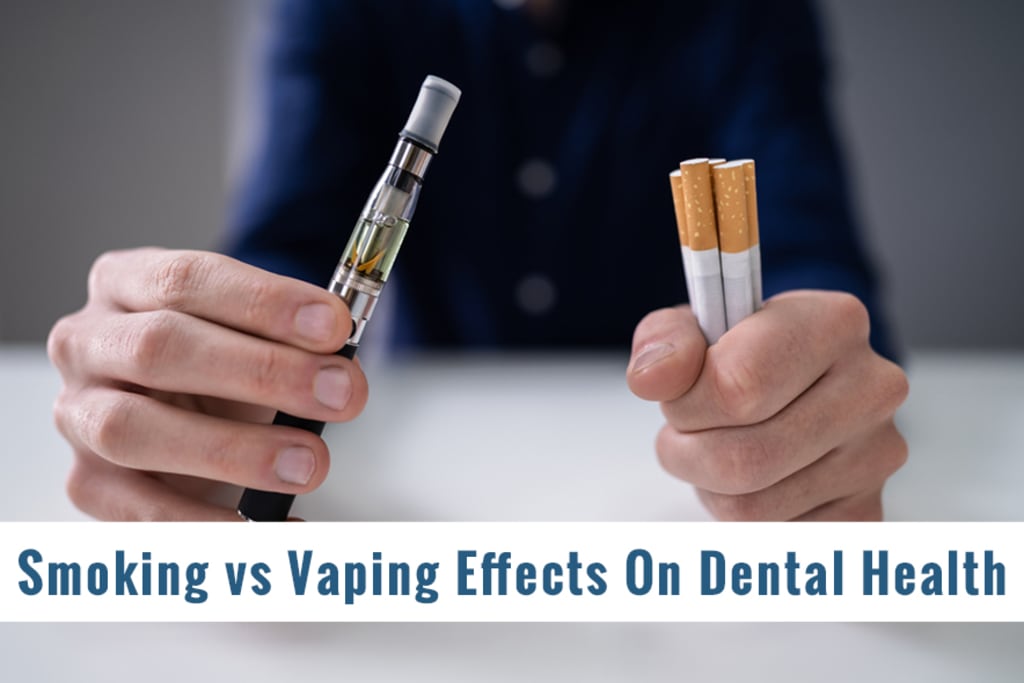
the established foul smelling way to intake nicotine with years of research behind its
effects. In the blue corner you have the newcomer, vapes. With little research
behind their effects and nice smelling clouds of nicotine to mask their dangerous nature,
they’ve become a crowd favourite. But which alternative is worse for your health?
First, let's take a look at smoking. You can smoke a lot of things, obviously, but since
we here at The Infographics Show don't want to condone anything illegal, let's assume 'smoking'
means regular tobacco cigarettes. Tobacco is the common name for plants in the nicotiana genus,
a type of leafy herbaceous plant native to North and South America, though one tobacco subspecies,
Nicotiana suaveolens, is found on the east coast of Australia. Tobacco plants are a member of the
nightshade family, a group of plants that also includes tomatoes and eggplants. The leaves
contain a type of neurotoxin called nicotine, which acts as a natural insecticide and makes the
plant unappealing to most plant-eating animals. But, as we've seen throughout history with things
like magic mushrooms and ghost peppers, a plant being poisonous and tasting unpleasant has never
deterred humans from putting it in their mouths. Tobacco leaves have always been incredibly popular
among the indigenous people of the Americas, with archaeological evidence suggesting that medicinal,
recreational, and spiritual use of the plant dates back over 12 thousand years. Even today,
tobacco is an important part of religious rites and political agreements for native americans.
You've probably seen the native characters in cowboy movies smoking peace pipes before. Well,
that's only one ceremonial use of tobacco in native american culture- it's also given as
an offering to the gods, or as a gift to tribal leaders
it's a crucial part of the purification rituals performed in a sweat lodge.
When Europeans first colonized the new world, tobacco was one of the many discoveries they
brought back with them, and it was an instant hit. Like the Native Americans, Europeans
took to using it as a stimulant, decongestant, and topical painkiller, but they also started
smoking it recreationally. Doctors raved about its effects in medical journals- one Spanish
doctor even claimed it could cure 36 different illnesses in 1571. In the 1600s, there was even
a popular song by Tobias Hume called "Tobacco is like love." But, like a lot of things that
were used medicinally in the 1600s, tobacco's supposed benefits would later be shown to come
with some pretty serious side effects. You're not watching this video from the 1600s, presumably,
so we probably don't need to tell you that smoking tobacco is actually really, really bad for you.
So, let's go through all the negative health effects of tobacco smoking. First off - while
nicotine is a very effective stimulant and painkiller, it's extremely poisonous if consumed
in large enough doses. And, considering that the leaf of Nicotiana tabacum, the tobacco plant
most often used to make cigarettes, contains about 20000 parts per million of nicotine,
it's very possible to feel some of these effects if you smoke enough. On the mild end nicotine
poisoning can cause nausea, lightheadedness, nightmares, uncontrollable hiccuping,
and flatulence. On the severe end, it can cause vasoconstriction (the shrinking of blood vessels),
heart palpitations, diarrhea, severe anxiety, and even death. That's bad enough on its own,
but when you combine that with the fact that nicotine is also highly addictive,
you've got a potentially lethal cocktail. Even if you decide to quit, you're still not out of
the woods- you can still get nicotine poisoning from chewing nicotine gum and topical patches that
smokers use to wean themselves off cigarettes. Worse than the nicotine itself is the slew of
other chemicals introduced into the cigarette by the curing process. Tobacco has to be dried in the
sun before being sold- this decreases the potency of the nicotine and makes it safer to consume.
However, that decreased potency is quickly canceled out by the chemicals that are added
during the curing process. These chemicals are meant to improve the smoking experience by doing
things like helping the tobacco and cigarette wrapper burn at a more even rate and helping
the body process the nicotine, but most of these chemicals are also poisonous in their own right.
According to the American Lung Association, among the 600 chemicals that make up your
average cigarette are ammonia, acetone, methanol, butane, and carbon monoxide.
Some of those chemicals might sound familiar, so let's quickly elaborate- ammonia is one of the
chemicals that your body flushes out when you pee, and it's typically also used to bleach hair and as
a component in explosives. Acetone is commonly available as a paint remover. Butane is highly
flammable and normally sold as barbecue fuel. Carbon Monoxide isn't really used for anything,
but it's a byproduct of gas stoves and fireplaces that is so toxic you rarely hear about it outside
of the sentence 'make sure to replace the batteries in your carbon monoxide detector'.
Cigarettes also can contain formaldehyde, a preservative used to embalm dead bodies and
museum specimens. These chemicals are already pretty scary, but the addition of fire to the
equation makes things even more sketchy as it causes those 600 chemicals to combine and remix
into more than 7000 new compounds. At least 69 of these chemicals are proven to be carcinogenic,
which is just a fancy way of saying that they cause cancer. One of these compounds is known
as free-base nicotine, which reaches your brain much faster than normal nicotine when inhaled.
In addition to an increased risk for pretty much every type of cancer, smoking also
increases your risk of stroke, heart disease, osteoporosis, vision problems, and diabetes.
That's a result of the vasoconstriction we mentioned earlier- when your veins shrink,
oxygen can't be distributed through your body as efficiently, and that leads to a whole host
of chronic health conditions. One of the most gruesome side effects of smoking is the fact that
a lot of those chemical compounds stick around in your lungs even after you've exhaled. These
compounds bind together with burnt particulates that enter your lungs along with the smoke,
combining together into a sticky black substance called Tar, which can seriously clog up your
lungs and cause long-term breathing problems. Another big health risk of smoking tobacco
is second-hand smoke. This is the reason why smoking indoors is banned in most places, and
public smoking is restricted to specific places. Once there's a lit cigarette in an enclosed area,
all those fun chemicals dissipate into the air, meaning that if you smoke indoors, you expose
everyone around you to the same chemicals that you're putting into your own body. Obviously,
it's in a much smaller amount, but it still can be a significant health risk. Studies have shown
that repeated exposure to second-hand smoke can increase the risk of stroke by 20 to 30%,
and increase the risk of heart disease by 25 to 30%. And if that wasn't bad enough,
a study published in the National Library of Medicine has suggested that there might even be
such a thing as third-hand smoke. It sounds crazy, but it's true- according to the researchers, you
can even be exposed to carcinogens left behind on surfaces that someone has recently smoked around.
About the Creator
fatimazahra
each day I will share with you very interesting subjects that can help you to understand very important things in our live
Keep reading
More stories from fatimazahra and writers in Confessions and other communities.
The Day I Stopped Shrinking Myself
There comes a moment in life when you finally see yourself clearly—not through the eyes of others, not through expectations, criticism, or comparison—but through your own. For me, that moment arrived quietly. No dramatic argument. No public declaration. Just a simple realization: I was exhausted from pretending to be smaller than I truly was.
By Aiman Shahid4 days ago in Confessions




Comments
There are no comments for this story
Be the first to respond and start the conversation.