
Saving a bird's life from thunderstorms
Ko
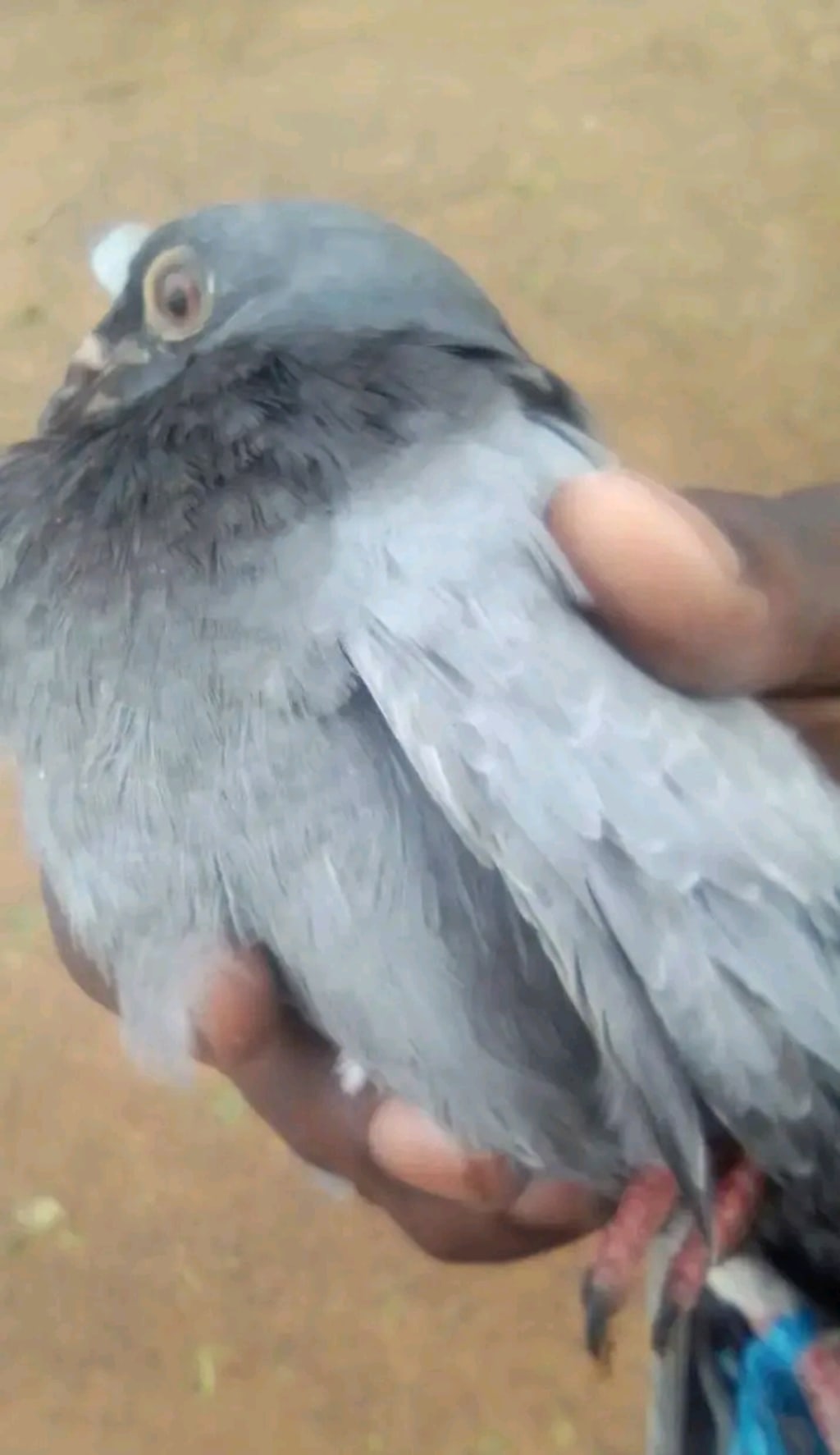
Life uring a thunderstorm is an act of compassion that requires awareness, quick thinking, and a gentle approach. Thunderstorms can be particularly terrifying for birds, which may struggle to find shelter, food, and safety in such turbulent weather. Understanding the needs of birds during these conditions can significantly improve their chances of survival. This story es effective strategies to assist birds in distress during thunderstorms, emphasizing the importance of creating a safe environment, providing nourishment, and ensuring a calm atmosphere.
Firstly, recognizing the signs of distress in birds is crucial. During a thunderstorm, birds often exhibit behaviors such as frantic flapping eking cover under branches, or even becoming disoriented. It’s important to understand that many species are not equipped to handle heavy rainfall or strong winds, particularly small songbirds that may be more vulnerable. If you notice a bird struggling to find shelter or appearing to be in danger, taking immediate action is essential. This can mean observing the bird from a distance to assess its condition, as well as being aware of local wildlife and their habitats.
Creating a safe shelter is one of the most effective ways to protect a bird during a storm. If you can safely approach the bird, consider bringing it indoors or to a protected area, such as a garage or shed. Make sure the space is quiet and free from pets that might cause additional stress. If bringing the bird inside is not an option, look for natural shelters, such as dense shrubs, trees with overhanging branches, or even patio covers that can provide some protection from the rain and wind. The goal is to help the bird find a secure spot where it can wait out the storm.
Once the bird is in a sheltered environment, providing food and water is crucial. Birds can expend a significant amount of energy trying to escape adverse weather conditions offering appropriate food can help replenish their energy. For small songbirds, options like sunflower seeds, millet, or even specialized bird feed can be beneficial. It’s important to avoid bread, as it lacks the necessary nutrients and can lead to health issues for birds. In addition to food, providing fresh water is essential. A shallow dish can serve as a drinking source, ensuring the bird stays hydrated during the stressful event.
Creating a calm environment is just as vital as providing shelter and nourishment. Birds can easily become stressed by loud noises, bright lights, or sudden movements. To minimize stress, consider dimming the lights and closing curtains to create a soothing atmosphere. If the bird is in your home, you might also want to play soft music or simply sit quietly in the room to help it feel more secure. Avoid handling the bird too much; while it may be tempting to interact, too much attention can increase its anxiety. Instead, let it settle down and regain its composure at its own pace.
After the storm has passed, it’s essential to assess the bird’s condition before releasing it. Observe for any signs of injury or distress; the bird should be able to fly and appear alert. If the bird seems injured or unable to fly, it’s best to contact a local wildlife rehabilitator for assistance. They have the expertise to provide the necessary care and rehabilitation to help the bird recover. If the bird appears healthy and ready to go, ensure that the area is safe and that there are no immediate dangers, such as predatory animals, before gently releasing it.
In addition to individual actions, there are broader considerations for protecting birds during storms. Creating a bird-friendly environment in your backyard can help provide natural shelter options. Planting native trees and shrubs can offer refuge during storms, while birdhouses and feeders can provide food sources year-round. Additionally, advocating for wildlife conservation and supporting local initiatives aimed at protecting bird habitats can make a significant difference in their overall survival rates during extreme weather.
It is also important to educate other people about te significance of helping birds during storms. By sharing knowledge and strategies with friends, family, and community members, you can foster a culture of compassion and awareness regarding wildlife protection. Organizing community events focused on bird conservation, habitat restoration, or even basic first aid for wildlife can empower more people to take action when they see a bird in distress.
In conclusion, saving a bird’s life during a thunderstorm involves a combination of immediate actions and long-term strategies. By providing shelter, food, water, and a calm environment, you can significantly enhance the chances of a bird's survival during challenging weather. Furthermore, fostering a broader awareness of the needs of birds and supporting conservation efforts can help ensure their protection in the face of increasingly unpredictable weather patterns. Through collective efforts and individual compassion, we can make a profound impact on the lives of these vulnerable creatures, ensuring that they have the support they need to thrive, even during the stormiest of an make mistakes.h
About the Creator
Keep reading
More stories from writers in Confessions and other communities.


Comments
There are no comments for this story
Be the first to respond and start the conversation.