
Rhode Island Comedians Experience Dire
Consequences of Pandemic Drinking
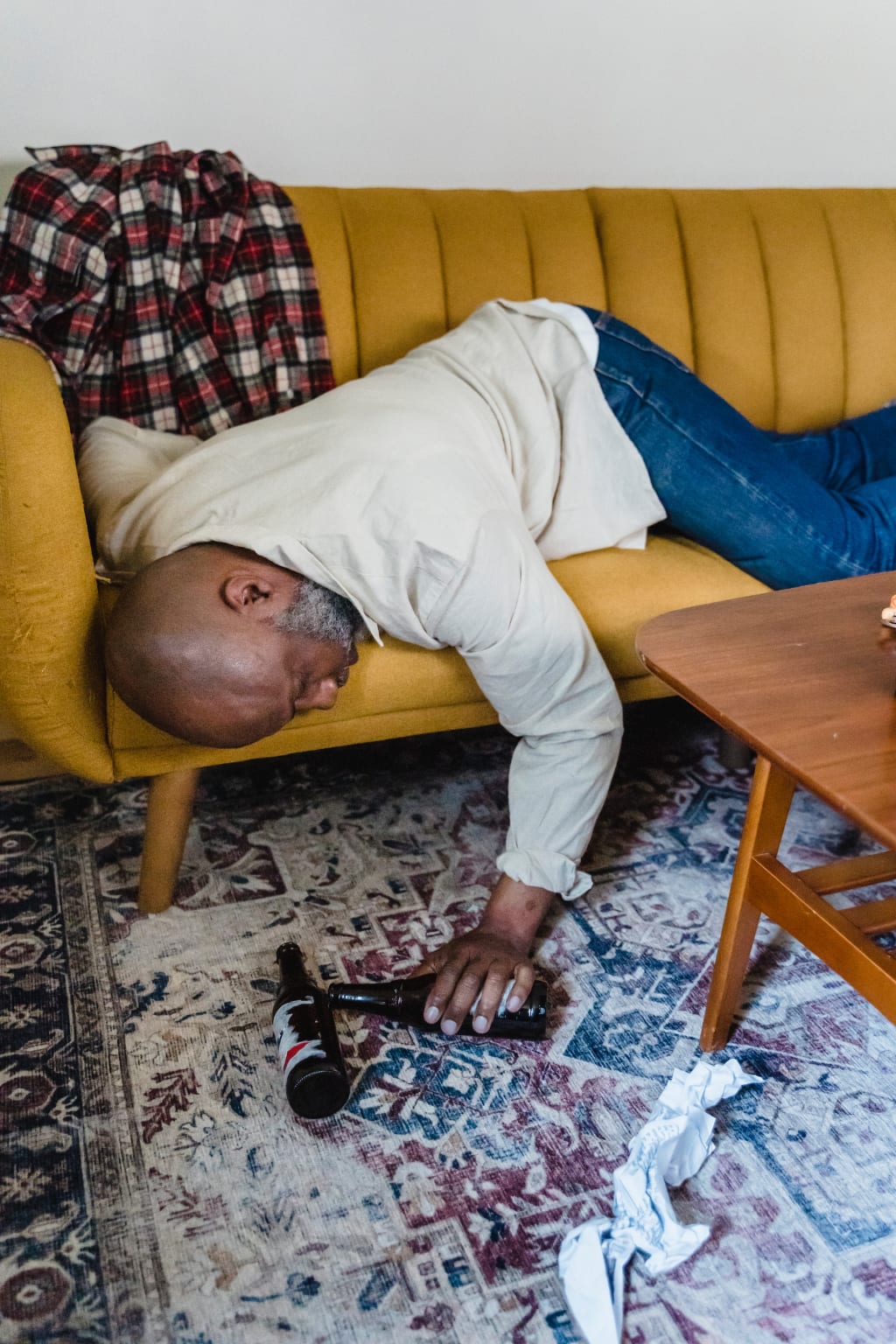
Kirsten Logan and Frank Gazerro, a married couple and stand-up comedians from Rhode Island, were no strangers to alcohol. In fact, they were paid in drinks during their performances at nightclubs. However, when the pandemic hit, their lives took a dangerous turn.
At 35 years old, Logan found solace in alcohol to cope with the stress of working as an emergency veterinarian technician during the rapid spread of the coronavirus. Meanwhile, Gazerro, 40, turned to copious amounts of bourbon and cheap grain alcohol to combat the boredom and isolation of lockdown. Unfortunately, his excessive drinking led to a severe inflamed liver, which landed him in the emergency room in the fall of 2021.
Their experiences reflect a larger trend observed in recently released federal data. Alcohol consumption in the United States, which had been steadily increasing over the years, escalated during the pandemic as Americans grappled with stress and isolation. Disturbingly, the number of deaths caused by alcohol also skyrocketed nationwide, rising by over 45 percent. In 2021 alone, alcohol became the primary cause of death for more than 54,000 Americans, resulting in nearly 17,000 more deaths compared to 2018, as reported by the Centers for Disease Control and Prevention (CDC).
Mississippi witnessed the highest increase in alcohol-related deaths at a staggering 159 percent, along with a 10 percent rise in apparent consumption. Delaware saw the largest increase in consumption, rising by 25 percent, while alcohol-related deaths surged by 73 percent.
George F. Koob, director of the National Institute on Alcohol Abuse and Alcoholism (NIAAA), explained that the pandemic exacerbated the already existing stressors that drive people to drink. Factors such as the fear of COVID-19 infection, job losses, and social isolation further contributed to the surge in alcohol consumption.
The alarming rise in alcohol-related deaths was observed in every state, reflecting the national crisis of pandemic drinking. Deaths caused by alcohol between 2018 and 2021 increased across all 50 states. Some states, including Mississippi, witnessed a simultaneous increase in both alcohol consumption and death rates. For instance, the alcohol-related death rate in Mississippi more than doubled over a four-year period, rising from 7 deaths per 100,000 residents to approximately 18 deaths per 100,000 in 2021.
These deaths resulted from various alcohol-related conditions, with alcoholic cirrhosis of the liver, a leading cause, seeing a 42 percent increase in mortality between 2018 and 2021. Deaths related to alcohol dependence or harmful use disorders increased by 54 percent during the same period. Shockingly, the rate of alcohol-related deaths among younger individuals, aged 25 to 44, saw an alarming spike of nearly 80 percent. While the rate of deaths among older age groups was not as dramatic, those aged 55 to 64 had the highest death rate at 42 per 100,000.
The surge in alcohol-related deaths is linked to a variety of factors, including stagnant alcohol taxes that have made drinking relatively cheap compared to inflation, increased marketing targeting women, and social despair leading to mental health crises and addiction. Apparent consumption of alcohol, measured as gallons of ethanol sold per capita, increased by 6.6 percent between 2018 and 2021 in the United States. This brought the average consumption to approximately 2.8 gallons per person annually, equivalent to around 597 drinks per year for Americans over 21. These figures represent the highest level of consumption since 1988.
The rise in alcohol consumption during the pandemic was primarily driven by sales of spirits, which increased by nearly 17 percent compared to less than 1 percent for wine and beer. Rhode Island, where Logan and Gazerro reside, ranked third in terms of relative increases in spirits sales since 2018. The popularity of luxury brands and those endorsed by celebrities, such as tequilas launched by actors like Dwayne Johnson and Mark Wahlberg, contributed to the growth of the spirits industry. In 2022, spirits revenue market share surpassed that of beer for the first time, accounting for 42.9 percent compared to beer's 41.9 percent.
Affordability has long been identified as a key driver of increased alcohol consumption. The last federal alcohol tax increase occurred in 1991, and state taxes have generally remained stagnant. In recent years, Congress even reduced taxes on certain alcohol producers, benefiting the industry. Critics argue that alcohol has become more affordable, with alcoholic beverages cheaper relative to the value of the dollar compared to the 1980s.
Public health officials emphasize the dire consequences of this affordability. The loss of value in alcohol excise taxes has made alcohol the cheapest and most readily available drug for American adults. The spirits industry, however, refutes these claims, asserting that it is heavily taxed and regulated. They argue that higher prices do not deter those who abuse alcohol and unfairly burden responsible consumers and hospitality businesses struggling to recover from the pandemic.
Although alcohol consumption has remained stable or decreased among underage drinkers and young adults, there has been a concerning increase in binge drinking among those over 55. Survey data from the CDC's Behavioral Risk Factor Surveillance System indicates that while binge drinking decreased by approximately 20 percent among Americans under 35 between 2011 and 2021, it remained at around 18 percent for those aged 35 to 54. Among individuals over 55, binge drinking increased by about 13 percent.
However, there is a glimmer of hope as some Americans reconsider their relationship with alcohol. New research has challenged the belief that moderate alcohol consumption is beneficial for health, leading many to reassess their drinking habits. Trends such as decreased alcohol consumption among underage drinkers, the growing popularity of dry Januarys, and the rise of nonalcoholic alternatives indicate a shift in attitudes toward alcohol.
For Logan and Gazerro, they have been sober for over a year, though the journey has not been without its challenges. Gazerro described alcohol as an old friend he hasn't been able to spend time with, but they both recognized the cultural pressure to drink and started a networking group called the Rhode Island Non-Alcoholic Beer Society. The group aims to help people find restaurants serving nonalcoholic beer and stores that offer different varieties within the state, providing alternatives to traditional alcoholic beverages.
About the Creator
Keep reading
More stories from Décio António Benjamim Verão and writers in Confessions and other communities.
Ukraine's Path to NATO Membership
Introduction In a recent interview with CNN, US Secretary of Defense Lloyd Austin expressed unwavering confidence in Ukraine's eventual membership in NATO once the ongoing conflict with Russia comes to an end. His remarks follow a two-day summit in Vilnius, Lithuania, where discussions revolved around Ukraine's accession to the alliance. While acknowledging the importance of implementing necessary reforms and strengthening democratic institutions, Austin highlighted the unanimous support of other nations present at the summit. This article delves into Austin's statements, assesses Ukraine's readiness for NATO membership, and examines the ongoing conflict with Russia.
By Décio António Benjamim Verão3 years ago in Journal
When Speaking Up Was Dangerous
In today’s world, speaking out is often encouraged. We post opinions online, debate politics, and challenge authority with relative freedom. But history tells a darker story—one where words were weapons, and truth was a crime. There were eras when raising your voice meant risking imprisonment, torture, exile, or execution. When speaking up was dangerous, courage had a different meaning. It wasn’t about being heard—it was about surviving.
By Aiman Shahid5 days ago in Confessions



Comments
There are no comments for this story
Be the first to respond and start the conversation.