

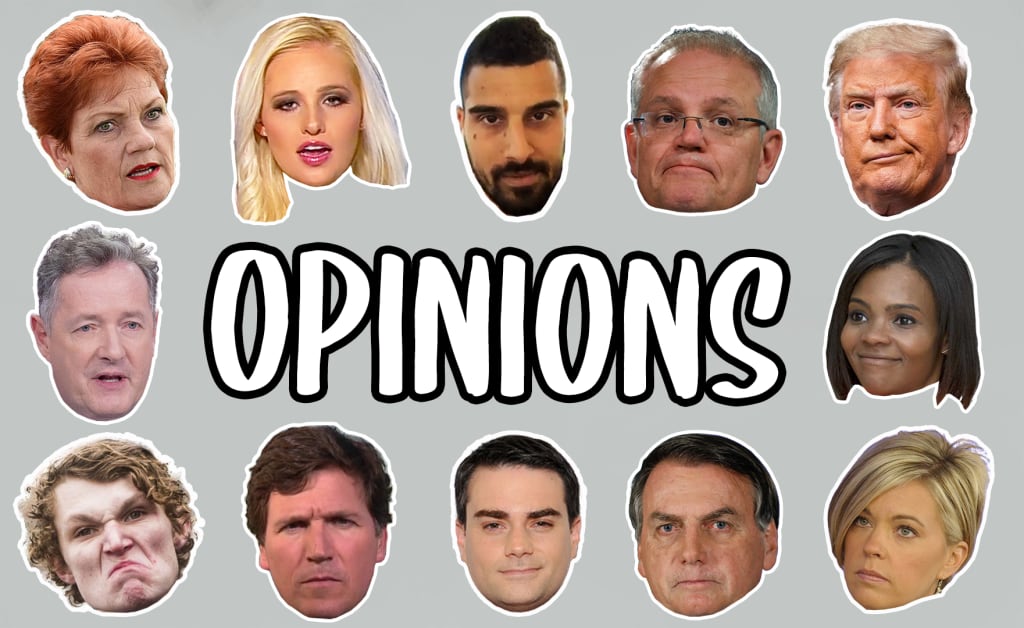
Are you entitled to your opinion? You can have an 0pinion but you aren’t always entitled to it.
Professor Patrick Stokes, Associate Professor of Philosophy at Deakin University, in an article originally posted in The Conversation, says “philosophy teachers owe it to our students to teach them how to construct and defend an argument – and to recognize when a belief has become indefensible.” That article came out in 2012 and earlier this year Stokes revisited it, stating that, “Today, it is clear that many of our politicians and commentators have never seen the inside of a philosophy classroom and the question of whether we are entitled to our opinion is more pertinent than ever before.”
The meaning of Opinion is, ‘a view or judgment formed about something, not necessarily based on fact or knowledge.’
Perhaps you’ve even said the expression, maybe to head off an argument or bring one to a close. Well, Stokes says as soon as you walk into his philosophy classroom, it’s no longer true. “You are not entitled to your opinion. You are only entitled to what you can argue for.”
In the world of social media bringing in misinformation and false news we’ve also seen an increase in the myth of privilege to ‘free speech’. The myth has two components: the first is that all speech should be ‘free’; the second is that freedom of speech means freedom from ‘objection’.
Briefly, the first point, despite our influence from America, free speech in Australia isn't actually a thing. Worse is, here there are laws that protect government secrets, the public having certain information is indeed discouraged. Believe it or not but Journalists have fallen victim to these laws, you can look at the raids by the Australian Federal Police on the ABC journalist Annika Smethurst in 2018.

When it comes to the US ‘free’ is also problematic, but let’s not get carried away here. The focus is on the second part of the myth, ‘freedom of speech means freedom from objection’. Of course, everyone can have an opinion, and indeed as informed citizens, we should all have opinions. The problem is, to be entitled to an opinion, ‘Expertise or training is necessary’ for it to have any weight.
The meaning of Entitled, ‘believing oneself to be inherently deserving of privileges or special treatment.’ If you believe you’re ‘deserving of privilege or special treatment’ because of ‘Freedom of Speech’, then you’re sadly wrong. You’re only entitled to your expertise and training.
To further on that, Stokes says it’s ‘important to gather knowledge from appropriate places’. This means that the responsibility is on you to do your research- real, considered research that prioritises quality of knowledge over quantity of knowledge.

So where do we find this information? We should be thinking like academics and scientists, seeking out appropriate, evidence-based research from experts in their fields. Be wary of everything else - articles often misrepresent information (and don’t even get me started on the Murdoch media) and people on Facebook, Twitter, and YouTube should be treated with as much scrutiny as possible. This is because most of these opinions are quite often non-expert ‘views or judgments formed about something’.
In a culture that tells us that everyone’s opinion matters, some mistake this idea as meaning that everyone’s opinion matters all the time, even if it is uninformed or misinformed.
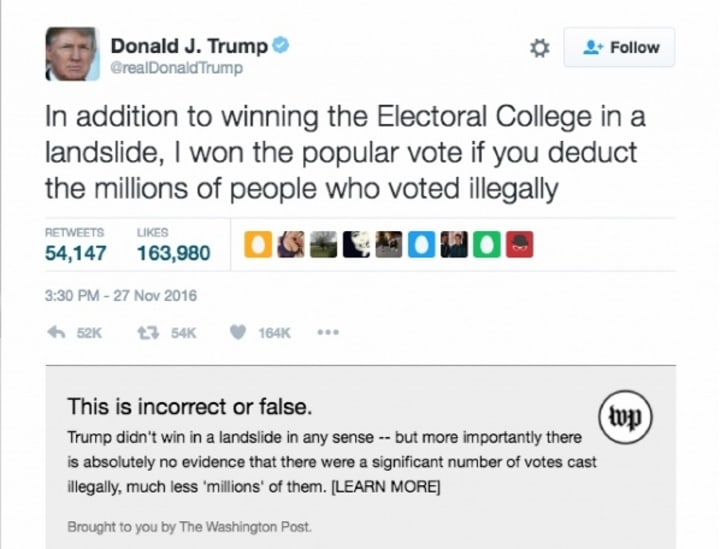
See this is where the statement “I’m entitled to my opinion” has turned into the growing idea online and in the media that “Freeeeedom of Speech is under attack”. These incredibly angry-looking people on our screens, almost bursting a vein and seem like they want to strangle us, feel this way because they can’t argue something with evidence, their ‘view and judgment’ on the topic they aren’t trained in. Since they don’t want to be told they’re wrong, it’s easier for them to believe that ‘freedom of speech means freedom from objection’.
This then seems to find its way into our newsfeed and public spaces. With conversations turning into “I don’t care what you think. That’s just how I feel.” or “I can say or think, whatever I like”. The problem with this, is 1) They’re shutting down a discussion they clearly can’t win, acting like to continue it would be disrespectful, and 2) probably worse of all, they’re sheltering beliefs that have already been disproven and should now be abandoned.
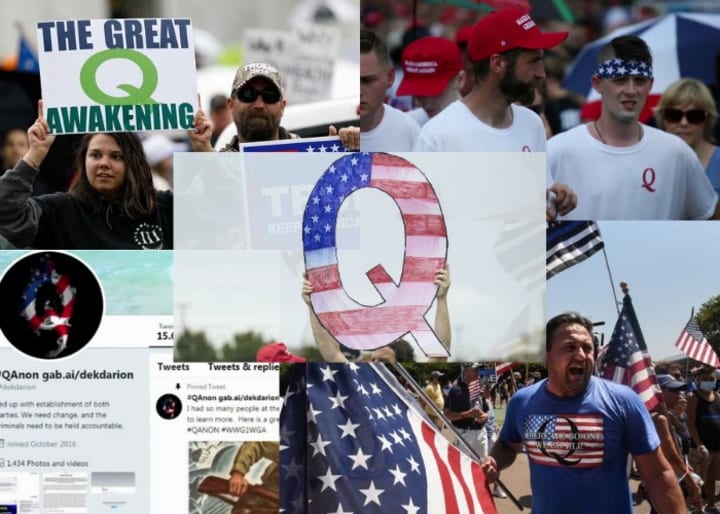
Such as anti-vaccination, disbelief in Climate change, and Conspiracy theories around the CoronaVirus. It’s the false equivalence that non-experts believe they’re the same as experts spending years in the field, which in turn is heightening our public discourse.
During the Age of Enlightenment, Professor Stokes explained, philosophers such as Immanuel Kant encouraged critical thinking and questioning of what we are told.
But an important part of thinking for oneself is having intellectual humility – knowing when we don’t have enough knowledge on a topic.
Now that some say we’re in the Age of Entitlement, If everyone is ‘entitled to an opinion’ means 'entitled to have your views treated as serious candidates for the truth’ then it’s pretty clearly false. And this too is a distinction that tends to get blurred.
There is a distinction between opinion and common belief. Gravity is a common belief, although, for some reason with Climate Change, a lot of the opinions that get involved have a degree of subjectivity and uncertainty to it. Ranging from tastes or preferences, through views about questions that concern most people such as prudence or politics, to views grounded in technical expertise, such as legal or scientific opinions.
Finally, Professor Stokes made the case that there is a moral obligation to get opinions “right”. If an opinion is ungrounded people can get hurt. For example, ‘an uninformed opinion may lead to an accusation being made against an innocent, or, in the case of misinformed climate change opinions, denial will lead to untold devastation for people, animals, and the planet. “Making sure that your opinion is properly grounded does have a moral dimension to it”.

Katharine Chan has written a great blog post about the topic, how as children we would question everything and how as we’ve gotten older we question everything a lot less. She gives many examples with Nature vs Nurture, one example is we may have had Parents and Teachers saying “Because I told you so”.
Once again the moral is: You are not entitled to your opinion. You are only entitled to what you can argue for, and next time you hear someone declare they're entitled to their opinion without any context on a subject, ask them why they think that. How (and what) life experiences shaped their current view, who influenced their beliefs and values, or why they judge others who don’t share their perspective. Chances are, if nothing else, you'll end up having a more enjoyable conversation.
About the Creator
Janon
I'm passionate about stories. Was all about cinema for many years, now obsessed with reading incredible fiction. I'm in the process of writing my first book, but also have a YouTube channel called 'Beyond a Thought'.
Keep reading
More stories from Janon and writers in Confessions and other communities.
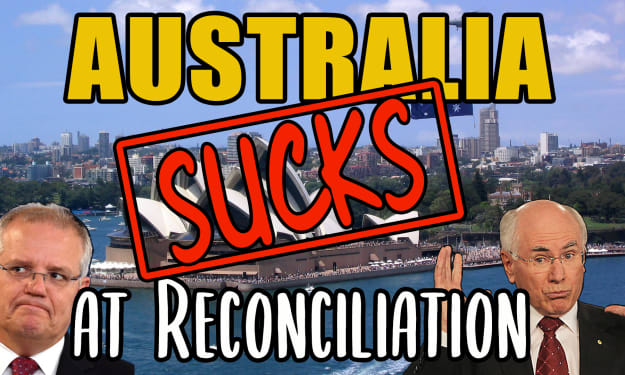
We have a Problem
We have a problem in so-called Australia, it’s the same problem most countries that were colonized have, reconciliation. It’s important to first understand what Reconciliation means, in its broadest sense reconcile means ‘coming together. A dictionary definition of the word is, a situation in which two people or groups of people become friendly again after they have argued.
By Janon5 years ago in Confessions
My First Time Skiing and I Got Lost, Alone, in the French Alps
Looking back, I can trace some of my life’s biggest adventures to a simple action from my sister. She’d introduced me to Tommy (a very long time ago), a colleague of hers, who had overshared his penchant for Italian-looking women, and I ticked that box.
By Chantal Christie Weissa day ago in Humans


Comments
There are no comments for this story
Be the first to respond and start the conversation.