
Johnson & Johnson Talcum Powder Lawsuit: A Battle for Truth and Accountability
How a Household Brand Became the Center of One of the Biggest Health Controversies in History

---
A Trusted Brand Under Fire
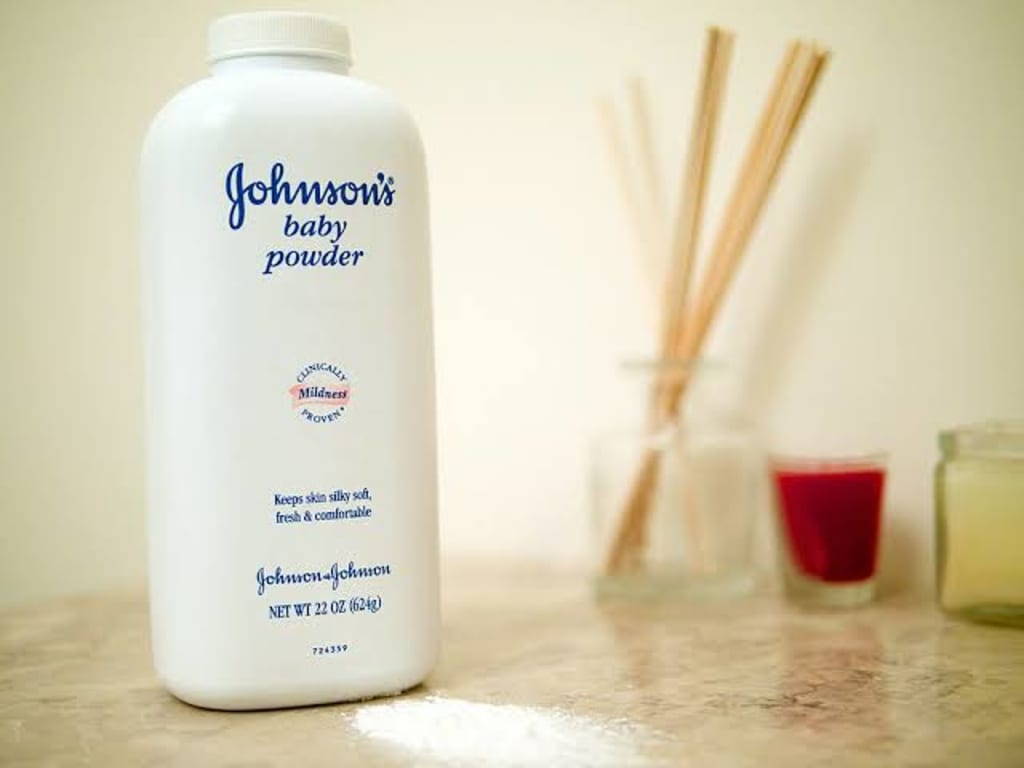
For decades, Johnson & Johnson was one of the most trusted names in personal care. Generations of families used its baby powder, believing it to be pure, gentle, and safe. The white bottle with its familiar scent became a symbol of comfort for millions of parents.
However, behind the comforting image lay a growing storm. Thousands of women began to come forward, claiming that Johnson & Johnson’s talcum powder products — particularly those containing talc — had caused serious health problems, including ovarian cancer and mesothelioma. What started as a few isolated cases soon became one of the largest corporate lawsuits in U.S. history.
---
What Is Talcum Powder?
Talcum powder is made from talc, a naturally occurring mineral that contains magnesium, silicon, and oxygen. It’s used in many cosmetics and personal care products because it absorbs moisture, reduces friction, and leaves the skin feeling soft.
The controversy began when scientists discovered that natural talc deposits can sometimes be contaminated with asbestos, a known cancer-causing substance. Asbestos fibers can enter the body through inhalation or skin contact, leading to diseases such as mesothelioma (a type of lung cancer) or ovarian cancer.
While Johnson & Johnson consistently stated that their products were safe and free from asbestos, some independent studies and internal company documents suggested otherwise.
---
The Beginning of the Lawsuits
The first major lawsuits against Johnson & Johnson emerged in the early 2010s. Women who had used the company’s talc-based products for years claimed that it contributed to their ovarian cancer. Some also alleged that the company knew about the potential risks but failed to warn consumers.
Court cases revealed internal memos suggesting that Johnson & Johnson had been aware of possible asbestos contamination in its talc as early as the 1970s. These revelations shocked the public and damaged the brand’s reputation.
In 2018, a Missouri jury ordered Johnson & Johnson to pay $4.7 billion in damages to 22 women who said the company’s baby powder caused their ovarian cancer. Although the amount was later reduced on appeal, the verdict sent a clear message: consumers expected transparency and accountability from even the biggest corporations.
---
Johnson & Johnson’s Response
Johnson & Johnson strongly denied the accusations, maintaining that their talc-based products are safe and asbestos-free. The company pointed to scientific studies and regulatory reviews that found no conclusive link between cosmetic talc and cancer.
In public statements, J&J said it tests its talc regularly and that the lawsuits are based on flawed science and misleading information. Despite this, the growing number of lawsuits — over 40,000 cases by 2023 — made it impossible to ignore the issue.
In 2020, Johnson & Johnson made a major decision: it stopped selling talc-based baby powder in the United States and Canada, citing declining sales and “misinformation” about its safety. Two years later, the company announced it would discontinue all talc-based baby powder globally and replace it with a cornstarch-based version.
---
The Legal Battle Continues
Even after J&J’s product withdrawal, the legal battle continues. The company has tried to manage the lawsuits by creating a subsidiary to handle claims and then filing for bankruptcy to limit financial liability. Critics argue that this move was an attempt to avoid full accountability, while Johnson & Johnson insists it is the best way to resolve claims fairly.
Courts are still debating the legality of this approach, and the outcomes could set new precedents for how large corporations handle mass lawsuits in the future.
---
The Human Impact
Behind every lawsuit is a personal story. Many of the women who filed claims against Johnson & Johnson said they used the powder daily for hygiene purposes, never imagining it could harm them. For them, the fight is not just about money — it’s about justice and preventing others from suffering the same fate.
Their stories have brought global attention to consumer safety, corporate responsibility, and the importance of scientific transparency. The talcum powder controversy also raised awareness about the need for stronger regulation of cosmetic and personal care products, which are not as strictly monitored as pharmaceuticals.
---
Lessons from the Lawsuit
The Johnson & Johnson talcum powder lawsuit is more than a courtroom battle — it’s a lesson in how trust can be both earned and lost. It shows how public confidence in a brand can disappear when questions of honesty and health are raised.
Here are some key takeaways:
1. Transparency matters. Companies must be open about product testing and potential risks.
2. Regulation is essential. Governments need stricter safety standards for cosmetics and personal care products.
3. Consumers have power. When people demand answers and accountability, even global corporations must listen.
4. Science evolves. What was once considered safe can change as new research emerges.
---
The Future of Johnson & Johnson
Today, Johnson & Johnson remains one of the world’s largest healthcare companies. It continues to produce pharmaceuticals, medical devices, and consumer health products. However, the talcum powder lawsuits have left a lasting mark on the company’s image.
As of 2025, J&J is still working through settlements and appeals. The company maintains that its baby powder never contained asbestos, but the public’s trust has been shaken. Whether it can fully rebuild that trust remains to be seen.
For consumers, the case serves as a reminder to stay informed and ask questions about the products we use daily. For corporations, it’s a warning that safety and honesty should never take a back seat to profit.
---
Conclusion
The Johnson & Johnson talcum powder lawsuit is one of the most significant corporate scandals of the century. It’s a story of trust, accountability, and the struggle between science and public opinion.
No matter where one stands, the case highlights a universal truth — people deserve to know that the products they use are safe. Virginia Giuffre’s fight for justice inspired change in one area; the women challenging J&J are doing the same in another.
Their courage reminds us that even ordinary people can stand up to powerful institutions and demand accountability — and that, in the end, truth always matters.
---
About the Creator
Fiaz Ahmed
I am Fiaz Ahmed. I am a passionate writer. I love covering trending topics and breaking news. With a sharp eye for what’s happening around the world, and crafts timely and engaging stories that keep readers informed and updated.
Keep reading
More stories from Fiaz Ahmed and writers in Confessions and other communities.
Virginia Giuffre: The Woman Who Stood Up Against Power
Early Life and Struggles Virginia Giuffre was born in 1983 in California, USA, and grew up in a working-class family. Her childhood was not easy. She faced instability and challenges at home, which made her vulnerable at a young age. Like many teens searching for independence, she wanted a better future for herself. But instead of finding safety and opportunity, Virginia was drawn into a world that would change her life — and the lives of many others — forever.
By Fiaz Ahmed 3 months ago in Confessions
The U.S. Economy Enters 2026 on Solid Ground
As 2025 drew to a close, the U.S. economy demonstrated resilience and stability across key indicators, setting the stage for cautious optimism in the new year. From employment and inflation to housing and consumer goods, the data paints a picture of steady progress amid lingering challenges.
By Organic Products 5 days ago in Confessions



Comments
There are no comments for this story
Be the first to respond and start the conversation.