
Is Cigarette Paper Bad for You?
Examining the Hidden Health Risks of Cigarette Paper and Its Additives
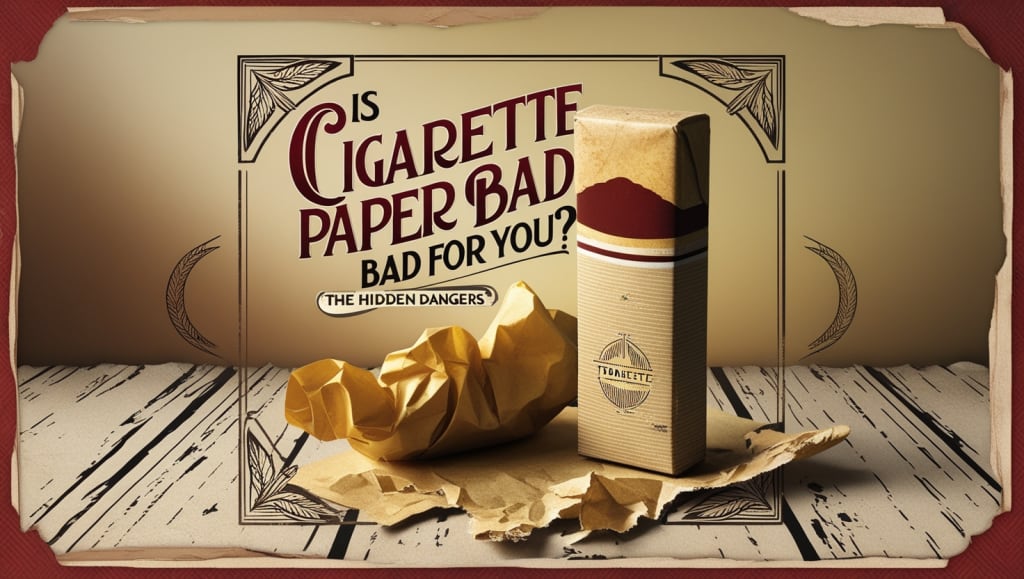
Cigarette smoking is a significant public health issue, contributing to a variety of health problems and fatalities worldwide. While the dangers of tobacco itself are well-documented, the components of a cigarette—including the paper used to wrap the tobacco—are often overlooked. This article delves into the potential health implications of cigarette paper, examining its composition, the chemicals involved, and how it contributes to the overall risks associated with smoking.
Understanding Cigarette Paper
Cigarette paper is a thin paper specifically designed to encase tobacco. Its primary function is to burn evenly while holding the tobacco in place, facilitating a smooth smoking experience. While it may seem innocuous, the reality is that cigarette paper can contain various substances that pose health risks.
Composition of Cigarette Paper
Cigarette paper is typically made from a blend of wood pulp, flax, and other plant materials. Manufacturers may also treat this paper with various chemicals to enhance burning properties, improve texture, or reduce the risk of unintentional ignition. Common additives include:
Calcium Carbonate: Used to improve the burn rate and reduce ash.
Potassium Nitrate: A chemical that can enhance combustion.
Magnesium Carbonate: Sometimes used to regulate the burn.
Chemicals and Additives
In addition to the basic components, cigarette paper can contain several harmful chemicals, particularly when treated during production. These additives can release toxic substances when burned, contributing to the overall health risks associated with smoking.

Dioxins and Furan: Byproducts of burning chlorine-containing substances, these compounds are known carcinogens and can cause a range of serious health problems.
Heavy Metals: Trace amounts of metals like lead, cadmium, and arsenic may be present, which can leach into the smoke during combustion.
Hydrochloric Acid: This corrosive substance can form during the burning process and may irritate the respiratory system.
The Burning Process
When cigarette paper burns, it not only releases smoke from the tobacco but also from the paper itself. This smoke contains numerous harmful substances, including tar, carbon monoxide, and formaldehyde. Inhaling these substances can lead to respiratory problems, cardiovascular disease, and cancer.
Health Risks Associated with Cigarette Paper
While the paper itself may not be the most harmful component of smoking, its contribution to the overall health risks cannot be ignored. The burning of cigarette paper and its additives results in the inhalation of toxic substances, which can have both short-term and long-term health effects.
Short-Term Effects
Irritation of the Respiratory Tract: Inhaling smoke can cause immediate irritation to the throat and lungs, leading to coughing and discomfort.
Increased Heart Rate: Smoking can stimulate the heart, leading to increased heart rate and blood pressure, which may result in acute cardiovascular stress.
Nausea and Dizziness: The inhalation of various chemicals can cause nausea, dizziness, and headaches in some smokers.
Long-Term Effects
The long-term health consequences of smoking are well-established, with cigarette paper playing a contributing role in several conditions:

Lung Cancer: Cigarette smoke, including that from the paper, contains carcinogenic substances that significantly increase the risk of developing lung cancer.
Chronic Obstructive Pulmonary Disease (COPD): Long-term exposure to the harmful chemicals in cigarette smoke can lead to chronic bronchitis and emphysema.
Cardiovascular Disease: The toxins inhaled from burning cigarette paper can lead to the buildup of plaque in the arteries, increasing the risk of heart disease and stroke.
Alternatives to Traditional Cigarette Paper
In recent years, there has been a rise in demand for alternative smoking products, including rolling papers made from more natural materials. Some manufacturers produce cigarette paper that is free from additives and chemicals, which may be perceived as a healthier option. Natural rolling papers made from hemp, rice, or flax can be less harmful than traditional cigarette paper, but they are not without risks.
Organic and Natural Papers
Hemp Papers: Made from hemp fibers, these papers are often unbleached and free from chemical additives. However, smoking any type of paper still involves inhaling combustion byproducts.
Rice Papers: Another popular alternative, rice papers burn slower and more evenly. Like hemp papers, they are often produced without harmful additives.
While these alternatives may reduce some risks, the most effective way to protect one's health is to quit smoking altogether.

Conclusion
Cigarette paper may not be the primary villain in the smoking narrative, but it certainly contributes to the overall health risks associated with tobacco use. The chemicals and additives found in traditional cigarette paper can release harmful substances when burned, adding to the toxicity of cigarette smoke. While alternatives such as hemp or rice papers may offer a slightly reduced risk, the healthiest choice remains to abstain from smoking entirely.
As public awareness of the dangers of smoking continues to grow, it is essential for smokers and non-smokers alike to understand all aspects of tobacco use, including the role of cigarette paper and cigarette box packaging. For those looking to quit, numerous resources and support systems are available, providing the necessary tools to overcome this harmful addiction. Ultimately, prioritizing health and well-being means making informed choices about what we consume and how we treat our bodies.
About the Creator
Keep reading
More stories from chris wide and writers in Confessions and other communities.
How to Create Premium Packaging: A Comprehensive Guide
In today’s competitive marketplace, premium packaging is more than just a pretty box; it’s a vital aspect of brand identity and customer experience. High-quality packaging not only protects your products but also enhances their appeal, drives sales, and fosters brand loyalty. This guide will walk you through the essential steps to create high quality premium packaging that resonates with your audience and stands out on the shelves.
By chris wideabout a year ago in Confessions
I was in a Toxic Relationship, with my Workplace
“You got that?” My ex yelled. His hands were balled into fists at his side. At six foot three, he towered over me. A normal person would have been afraid, but I looked up a video of George Lopez repeatedly saying, “I got this,” and showed it to him. I had grown used to this treatment, so much so that I didn’t blink when he ripped the phone from my hand and threw it across the room.
By Jade M.3 days ago in Confessions
A Small Story About Honesty
Nearly a decade ago, a notification appeared on my computer screen that felt like a brush with destiny. At the time, I was an active participant in the digital world of fandom, leaving thoughtful, supportive comments on the social media posts of a well-known and internationally recognized actor I deeply admired. Then, the impossible happened: a private message arrived.
By Anna K.6 days ago in Confessions
Pearl
1980 something. we all hung out at Pearl and you and i were nothing special, or so i thought. i mean we all danced, drenched in our own sweat, our own saline solution of fear, too many beers, shots, laughter, tears, fucks in the bathroom and i don't know when we began to be afraid. do you?
By ROCK aka Andrea Polla (Simmons)4 days ago in Fiction




Comments
There are no comments for this story
Be the first to respond and start the conversation.