
How to Create Premium Packaging: A Comprehensive Guide
Launching Your Packaging: Strategies for Maximum Impact
In today’s competitive marketplace, premium packaging is more than just a pretty box; it’s a vital aspect of brand identity and customer experience. High-quality packaging not only protects your products but also enhances their appeal, drives sales, and fosters brand loyalty. This guide will walk you through the essential steps to create high quality premium packaging that resonates with your audience and stands out on the shelves.
Why Premium Packaging Matters
Understanding the importance of premium packaging is the first step in the creation process:
First Impressions: Packaging is often the first touchpoint for customers. An eye-catching design can capture attention and lead to increased sales.
Brand Identity: Packaging reflects your brand’s values and story. It communicates your commitment to quality and helps define who you are.
Consumer Experience: Thoughtful packaging enhances the overall user experience. Every detail, from unboxing to usability, matters.
Sustainability: Eco-friendly packaging options can attract environmentally conscious consumers and improve your brand’s image.
Differentiation: Unique packaging sets your product apart from competitors in a crowded market.
Steps to Create Premium Packaging
1. Define Your Brand Identity
Start by clarifying your brand identity. Understand your target audience, brand values, and the message you want to convey. This will guide your design decisions.
Audience Analysis: Know your customers and what they value. Are they looking for luxury, sustainability, or functionality?
Competitor Research: Look at competitors’ packaging to identify trends and gaps in the market, helping you to differentiate your product.
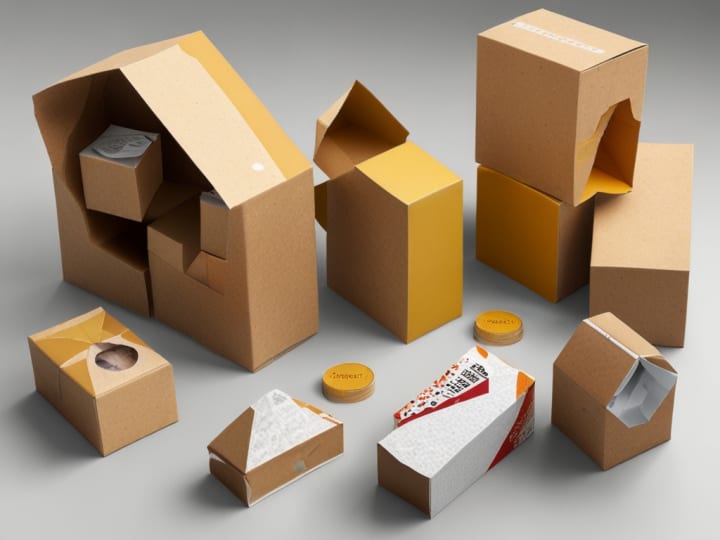
2. Choose the Right Materials
Selecting the right materials is key to achieving a premium feel. Consider these options:
Cardboard and Paper: These versatile materials can be easily customized. Choose high-quality options that provide sturdiness and an upscale look.
Plastic: High-grade plastics can be molded into unique shapes. Explore biodegradable or recyclable options for eco-friendliness.
Glass: Glass packaging exudes luxury and enhances product visibility, though it may increase shipping costs due to weight.
Metal: Metal packaging, like tins or aluminum, offers durability and a premium feel, making it ideal for gourmet foods or cosmetics.
3. Design for Visual Appeal
The design of your packaging is crucial. Here are key elements to consider:
Color Scheme: Select colors that align with your brand identity. Remember, colors evoke emotions—black often signifies luxury, while green suggests sustainability.
Typography: Choose fonts that reflect your brand’s personality. Serif fonts convey tradition, while sans-serif fonts offer a modern feel.
Graphics and Imagery: Use high-quality images and graphics to tell your product’s story. Ensure they are visually appealing and relevant.
Finishing Touches: Techniques like embossing, foiling, or matte finishes can elevate the packaging’s appearance. Consider adding textures for a tactile experience.
4. Ensure Functionality
While aesthetics are vital, functionality is equally important. Your packaging must protect the product and be user-friendly.
Ease of Use: Design packaging that’s easy to open and reseal, particularly for food and cosmetics.
Protection: Ensure your packaging is robust enough to safeguard the product during shipping and handling. Consider custom inserts for fragile items.
Size and Shape: The size and shape of your packaging can affect shipping costs and shelf space. Aim for designs that are efficient and practical.

5. Focus on Sustainability
Today’s consumers are increasingly eco-conscious. Incorporating sustainable practices into your packaging can enhance your brand image.
Recyclable Materials: Use materials that can be easily recycled to reduce environmental impact.
Minimalism: Adopt minimalist designs that require less material while still being visually striking.
Eco-Friendly Inks: Use soy-based or water-based inks that are less harmful to the environment.
6. Test and Iterate
Before launching your packaging, conduct thorough testing. Gather feedback from focus groups or beta testers to identify potential issues or areas for improvement.
User Testing: Observe how real customers interact with your packaging. Are there any challenges in opening or using it?
Feedback: Encourage constructive feedback on design and functionality to make informed revisions.
7. Launch and Market Your Packaging
Once you’re satisfied with your packaging design, it’s time to launch. Use your packaging as a marketing tool:
Social Media: Share unboxing experiences and showcase your packaging design on social media.
Influencer Marketing: Collaborate with influencers to highlight the premium aspects of your packaging.
In-Store Displays: If applicable, use eye-catching in-store displays to draw attention to your product.

Conclusion
Creating premium bakery packaging is an investment in your brand’s future. By focusing on quality materials, thoughtful design, and sustainability, you can craft packaging that not only protects your product but also enhances customer experience and builds brand loyalty. Start with a clear brand identity, choose the right materials, and prioritize functionality and sustainability. With these steps, you’ll be well on your way to designing packaging that truly stands out in the marketplace.
About the Creator
Keep reading
More stories from chris wide and writers in Confessions and other communities.
How to Choose the Best Shirt Packaging for Your Business
When it comes to running a successful apparel business, the importance of shirt packaging cannot be overstated. Packaging serves as a critical touchpoint with your customers, influencing their first impression of your brand and creating an opportunity to stand out in a competitive market. Whether you’re selling T-shirts online or running a physical retail shop, the right shirt packaging can elevate your brand, protect your product, and even contribute to sustainability efforts.
By chris wideabout a year ago in Confessions
I was in a Toxic Relationship, with my Workplace
“You got that?” My ex yelled. His hands were balled into fists at his side. At six foot three, he towered over me. A normal person would have been afraid, but I looked up a video of George Lopez repeatedly saying, “I got this,” and showed it to him. I had grown used to this treatment, so much so that I didn’t blink when he ripped the phone from my hand and threw it across the room.
By Jade M.3 days ago in Confessions
Coffee with My Mother: A Ritual of Grief and Love
Just when she was about to say how she was, I would appear in the doorway with a sad face. I didn't have to say a word. She would immediately look at me with those gentle eyes of hers, eyes that saw through my skin, and ask:
By Magma Stara day ago in Confessions



Comments
There are no comments for this story
Be the first to respond and start the conversation.