
I’ve Been Pretending to Be Blind for 15 Years
When a lie becomes your reality, do you ever really escape?
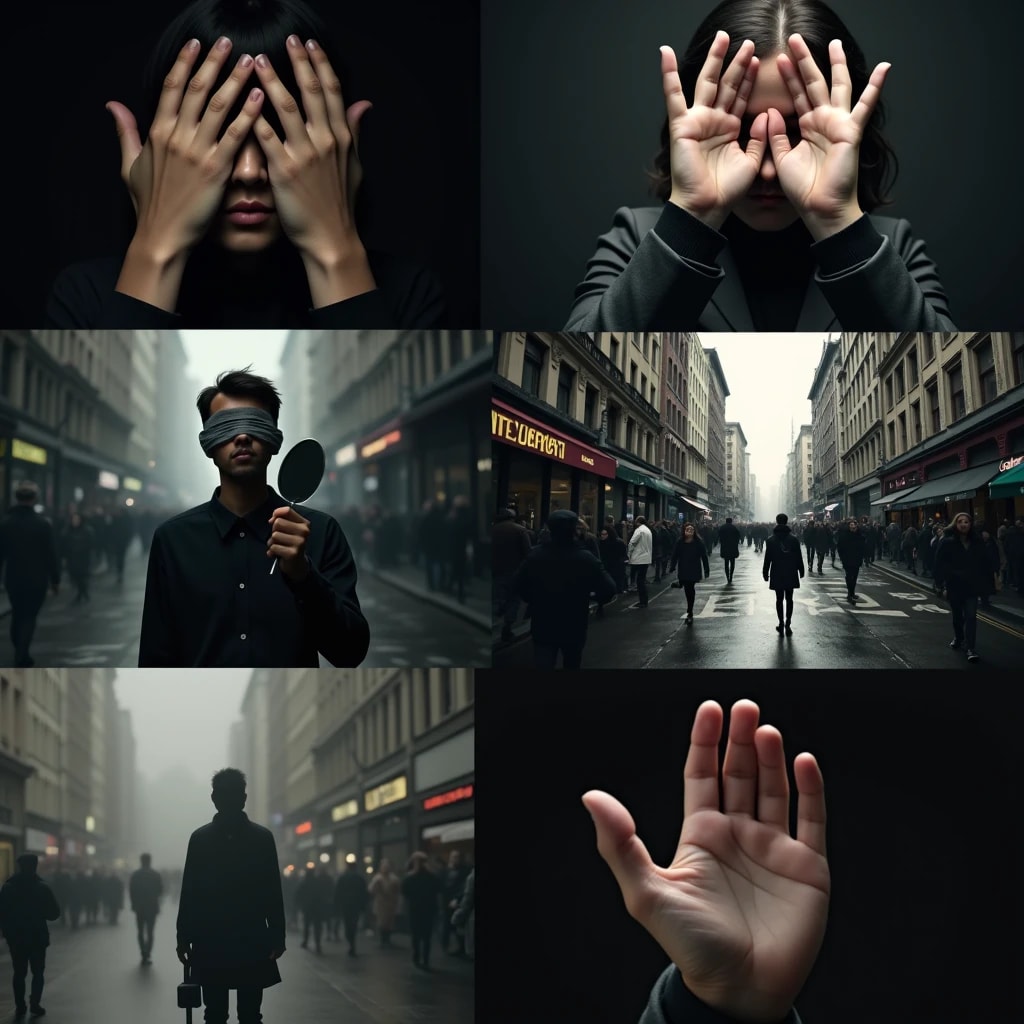
It started as a joke.
Not a funny one, not something lighthearted—just an impulsive decision that spiraled out of control before I realized what I had done.
Fifteen years later, it’s not a joke anymore.
It’s my life.
The First Lie
I was seventeen when it happened. A stupid, careless moment that I could have fixed with the truth.
It was a summer afternoon, and I was late. Not just “running behind schedule” late, but disastrously, unforgivably late.
I had promised my mother I’d be home to help with something important—she had begged me to be responsible, just for once, and I had nodded, pretended to listen, made empty promises.
And then I got distracted.
Hanging out with friends, wasting time, telling myself I had plenty of it.
By the time I realized how much trouble I was in, I was desperate for a way out.
So I lied.
I told her I had an accident. Not a big one, nothing dangerous—just enough to explain why I was late.
She panicked, of course.
And then, somehow, in my frantic attempt to make the excuse believable, I said the words that would change everything:
“I can’t see.”
I expected panic, concern. But what I didn’t expect was the way she softened, the immediate shift from anger to sympathy.
She held me, whispered reassurances, told me we’d figure it out.
For the first time in years, I saw something in her eyes I hadn’t seen before.
Compassion.
And instead of confessing, instead of laughing it off and admitting I had lied—I let it happen.
A World Built on Deception
One day turned into two.
Two turned into a week.
Doctors ran tests, examined my eyes, told me they didn’t understand what was happening.
I fed them half-truths, carefully crafted responses, vague descriptions of what I thought blindness would feel like.
And somehow, they believed me.
The diagnosis was inconclusive. Maybe trauma-induced, maybe psychological, maybe something that needed time.
But there was nothing physically wrong with me.
Still, I played the part.
Because the more I leaned into the lie, the more people changed around me.
My mother—who had always been critical, always distant—became someone else. She worried about me, cared for me, treated me like something fragile.
My teachers gave me leniency. My friends rallied around me.
And for the first time in my life, I felt seen—by everyone.
Even as I pretended not to see them.
Learning the Lie
It wasn’t easy.
I had to teach myself how to move like I couldn’t see. Had to fake missteps, had to learn the delicate art of reaching for objects blindly without making it seem forced.
Had to memorize routes, count steps, avoid giving myself away.
Every interaction became a performance.
I trained myself to listen harder, to respond slower, to let people guide me even when I knew exactly where I was going.
And the more I did it, the more natural it became.
Until even I started to forget what was real.
The Cost of Pretending
It took years before the weight of the lie started crushing me.
Years before I realized what I had done.
Because by then, I wasn’t just fooling people.
I was trapped.
I had built an entire life around blindness—a life I couldn’t just walk away from.
I had accommodations, opportunities, a reality sculpted around my supposed disability.
And I couldn’t undo it.
Not without destroying everything.
Not without losing everyone.
So I stayed.
I kept pretending.
Kept lying.
Kept walking in darkness that wasn’t real, but might as well have been.
The Breaking Point
Fifteen years.
That’s how long I’ve been living like this.
Now, I don’t know who I am without the lie.
I don’t know if I even remember what it feels like to live honestly.
And maybe that’s the worst part.
Not the guilt, not the fear of being discovered—just the emptiness of knowing that if I told the truth now…
There would be nothing left of me.
Because the person I was—the person who could see, who existed before all this—died the moment I said those first words.
And I don’t think I can bring them back.
About the Creator
Hamna Maalik
I write to heal, grow, and inspire others—because words saved me, and maybe they can help someone else too.
Keep reading
More stories from Hamna Maalik and writers in Confessions and other communities.
The Stranger Who Called Me ‘Mom’
It was 6:48 PM on a Monday. The kind of tired where your bones feel like overcooked noodles. I was standing in line at the pharmacy, clutching a box of discount herbal sleep tea and a half-melted chocolate bar I’d convinced myself was self-care.
By Hamna Maalik8 months ago in Confessions
Thoughts on Vocal and the way the world is
"Death cannot stop true love, only delay it." – Wesley in The Princess Bride. I decided to come back to Vocal on a very cold and dark night at the end of December. I had been, and still am, convalescing from a horrible staph infection that had gone misdiagnosed for months. This, paired with the increasing challenges of being healthy, making the best choices for my co-parented child, being a wife, and being a director at a new job, was a lot to manage.
By Jazzy 3 days ago in Confessions



Comments
There are no comments for this story
Be the first to respond and start the conversation.