
"I Didn't Know These Common Habits Were Signs of Mental Health Issues"
"When silence becomes survival and smiles become masks — the quiet ways our minds cry for help."
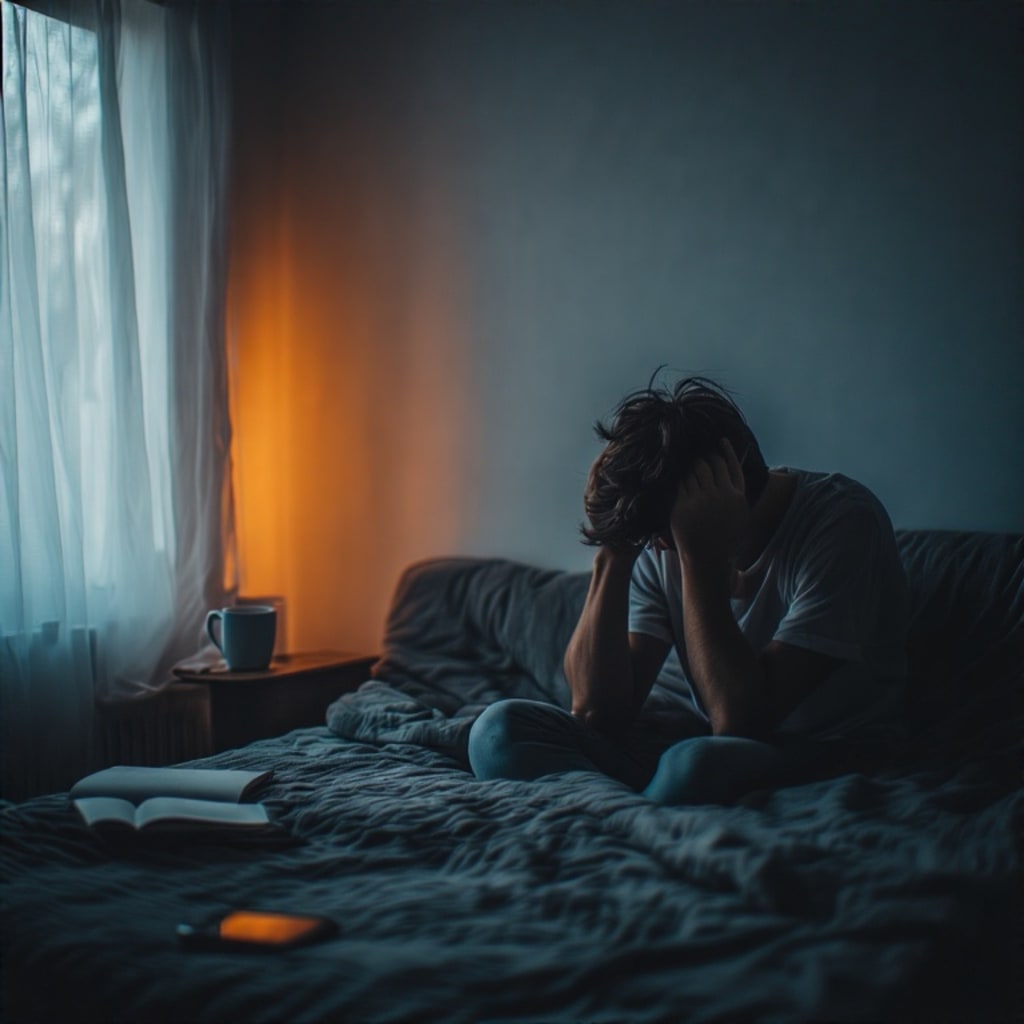
We often think of mental health struggles as loud, visible, and dramatic. We imagine people curled in bed for days, breaking down in tears, or isolating themselves entirely from the world. And yes, sometimes it does look like that. But more often than not, mental health issues wear a disguise. They slip quietly into our daily routines, masquerading as harmless habits or personality quirks.
I didn’t know that checking my phone obsessively, even when I hadn’t received any new messages, was a sign of anxiety. I just thought I was being social or trying to stay connected. I didn’t know that my constant need to keep busy — always working, cleaning, organizing, or helping others — was a way to avoid sitting still with my own thoughts. I thought I was just being productive.
There are so many things we normalize in our culture that, when looked at closely, are red flags waving gently in the background. And that’s why I’m writing this story: to shed light on the unnoticed, everyday habits that might be signs of deeper mental or emotional struggles.

1. Over-Apologizing
I used to say "I'm sorry" for everything. If someone bumped into me, I said sorry. If I asked a question in a meeting, I said sorry. If I needed help, I apologized before I even explained what I needed.
It wasn't humility. It wasn't politeness. It was a deeply rooted fear of being a burden. I was afraid that by existing, by needing things, by speaking up, I was somehow inconveniencing others. This constant apologizing came from low self-worth, a byproduct of anxiety and years of internalized pressure to be "easy to love."
2. Always Being Busy
I wore busyness like a badge of honor. I stacked my days with tasks and told myself it was ambition. But deep down, I was terrified of slowing down. Because when I did, my mind caught up to me. And it wasn’t kind.
Filling every second was a way of silencing the thoughts I didn’t want to hear: thoughts of failure, of not being enough, of loneliness. I wasn't thriving. I was running.

3. Doomscrolling and Mindless Browsing
I used to spend hours scrolling social media, flipping from one app to another. I'd convince myself it was just for fun, that I deserved to relax. But it never actually relaxed me. If anything, it left me feeling emptier, more disconnected, more behind.
Doomscrolling became a coping mechanism. It was easier to lose myself in endless content than face my own emotions. It numbed me. And sometimes, numbness feels like relief when you’re hurting.
4. Forgetting or Ignoring Meals
There were days I didn’t eat until evening, not because I was trying to lose weight, but because I simply "forgot." I wasn’t listening to my body. Hunger cues were drowned out by stress, anxiety, or a sense of being overwhelmed.
Ignoring basic self-care like meals, sleep, or hydration isn't always about laziness or discipline. Sometimes, it's a sign of depression. A mind that feels foggy or hopeless doesn’t prioritize nourishment.

5. Replaying Conversations Over and Over
After every social interaction, I’d go over it in my head, analyzing my tone, my words, their reaction. Did I say something wrong? Did I come off as awkward? Do they secretly dislike me now?
This habit, though common, can be a symptom of social anxiety. It reflects a fear of rejection and an inner voice that constantly tells you you're not enough, that you have to be perfect to be accepted.
6. Laughing Off Your Pain
I was the funny friend. The one who turned everything into a joke. I could make people laugh even while talking about my own breakdowns.
Humor is a beautiful thing, but when it becomes a defense mechanism to avoid vulnerability, it can be a red flag. I wasn’t being open. I was hiding my pain behind punchlines.
7. Isolating "Just Because"
I used to cancel plans at the last minute and then feel guilty for doing so. I told myself I was just introverted or tired. But what I really was... was emotionally drained.
Sometimes, when we're overwhelmed, our brains shut down our social drive. Isolation isn't always a conscious choice. It can be a sign of burnout, depression, or deep anxiety.
8. Being a Perfectionist
I thought perfectionism was a good thing. It made me successful, detail-oriented, reliable. But perfectionism also made me terrified of making mistakes, afraid of failure, and constantly exhausted.
It was never about being the best. It was about being "enough." It was about trying to earn love and acceptance by doing everything flawlessly, because somewhere inside me, I believed my worth was tied to my performance.
9. Trouble Sleeping
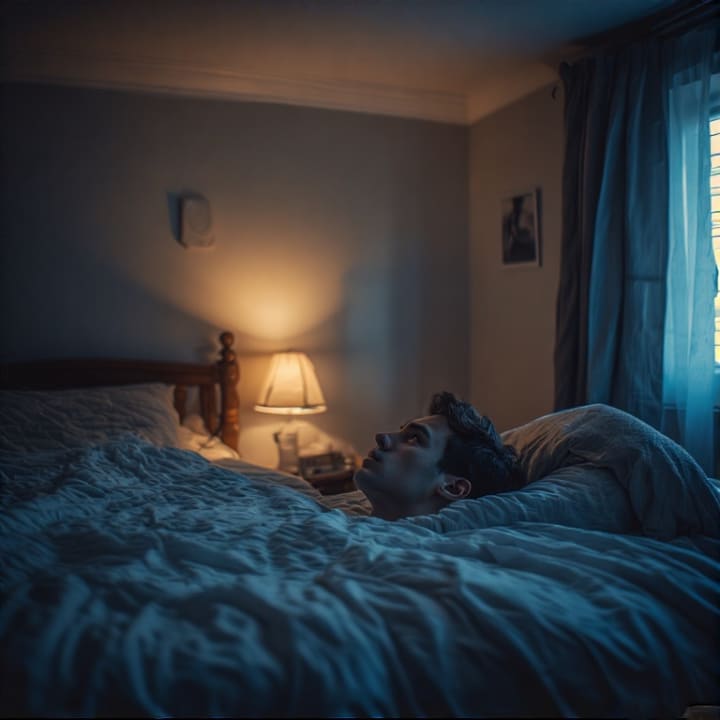
My insomnia was always chalked up to "being a night owl." But the truth was that my mind became loudest at night. Thoughts I pushed down all day came up like ghosts the moment the world went quiet.
Difficulty falling or staying asleep is often a symptom of anxiety, stress, or trauma. If you're lying in bed for hours thinking about everything and nothing, it's worth looking deeper.
10. Always Saying "I'm Fine"
This one might be the most dangerous of all. I said "I'm fine" when I was falling apart. I said it when I needed help the most. I said it because I didn’t want to be a burden or admit weakness.
But silence doesn’t protect us. It isolates us. Saying "I'm fine" when you’re not is a habit that keeps us from getting the support we need. And I wish I had known that earlier.
The Turning Point
It took hitting a wall for me to finally seek help. I remember sitting in my car one day, parked outside my apartment, unable to move. I was frozen by exhaustion, by the weight of keeping it all together. And in that moment, I realized that something had to change.
Therapy became my lifeline. Not because it gave me quick fixes, but because it helped me understand myself. It gave me language for what I was feeling. It helped me trace the roots of my habits and realize they weren’t personality flaws — they were signs.
I began to unlearn the lies I had believed: that I had to be perfect to be loved, that asking for help was weakness, that rest was lazy, and that my pain wasn’t valid unless it was visible.
What I Know Now
If any of this sounds familiar, I want you to know you’re not broken. You’re human. These habits — overworking, isolating, obsessing, pretending — they don’t make you weak. They’re signals. Your mind and body are asking for care.
Healing doesn’t always look dramatic. Sometimes, it's in the small moments: taking a deep breath before reacting, texting a friend when you're struggling, choosing rest over productivity, or finally saying, "I'm not okay."
Mental health struggles don't always shout. Often, they whisper. And learning to hear those whispers can change your life.
So today, I check in with myself. I ask real questions. I listen to my body. I give myself permission to feel, to rest, to not be okay. Because awareness is power. And with it, comes compassion.
You deserve support. You deserve understanding. And you deserve to know that even the quiet signs of pain are worth paying attention to.
About the Creator
Keep reading
More stories from Muhammad Wisal and writers in Confessions and other communities.
How I Made My Name in America
I arrived in America with a name no one could pronounce. It was late August, the kind where the East Coast air still clings to the skin like it’s trying to keep summer alive. I was 19, clutching my father's old leather suitcase and my mother’s blessing in my chest like a shield. I didn’t speak much, partly because I was shy, partly because I was still learning how to string English together in real-life conversations, not just school exercises.
By Muhammad Wisal7 months ago in Confessions
Silenced No More
Throughout history, the ability to speak freely has never been guaranteed. For centuries, voices have been suppressed by kings, governments, religions, and social systems determined to control what people think, believe, and say. Yet, despite censorship, punishment, and even death, individuals have continued to raise their voices. Their courage shaped societies, challenged injustice, and transformed the world. The story of free speech is not just about laws and rights—it is about human bravery, resistance, and the unbreakable desire to be heard.
By Aiman Shahid3 days ago in Confessions



Comments
There are no comments for this story
Be the first to respond and start the conversation.