
"How to Spot Someone's Love Language in the First Five Minutes" - relationship insights
Master the art of reading people's deepest relationship needs through subtle cues, body language, and conversation patterns that reveal everything in minutes

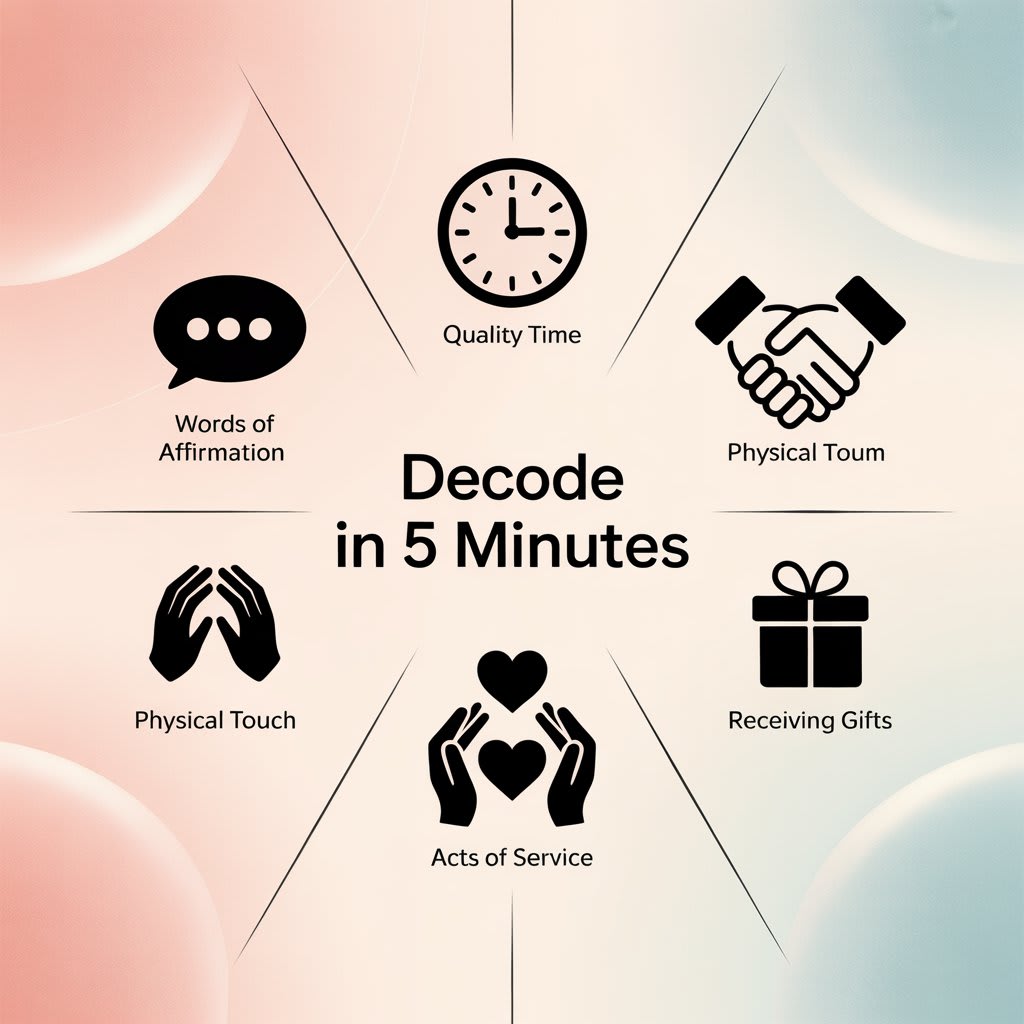
Picture this: You're sitting across from someone at a coffee shop, and within the first five minutes, you already know whether they crave physical touch, desperately need words of affirmation, or feel most loved through thoughtful gestures. Sounds like magic? It's actually science—mixed with a healthy dose of observation skills that anyone can master.
Dr. Gary Chapman's five love languages have revolutionized how we understand relationships, but most people think you need months of dating or deep conversations to figure out someone's primary love language. The truth is, people broadcast their emotional needs constantly through micro-behaviors, word choices, and unconscious patterns that reveal their love language faster than they reveal their last name.
Whether you're on a first date, meeting a potential friend, or trying to understand a new colleague's motivation style, becoming a love language detective can transform your relationships before you've finished your first conversation.
The Secret Psychology Behind Love Language Reveals
Before we dive into the detective work, it's crucial to understand why love languages show up so quickly in human behavior. Our primary love language isn't just a preference—it's our emotional default setting, shaped by childhood experiences, personality traits, and deeply ingrained patterns of how we both give and receive affection.
Think of love languages like accents. Just as someone from Boston can't help but drop their R's, someone whose primary love language is Acts of Service can't help but notice when others are helpful—or when they're not. These patterns are so fundamental to how we process the world that they leak into everything we do, say, and pay attention to.
This is why a five-minute conversation can be so revealing. People naturally talk about what matters to them, react to what they notice, and ask questions about what they value. The key is knowing what to look for.
1: Words of Affirmation – The Verbal Validators
What to Listen For: People who speak the Words of Affirmation love language are verbal processors who light up during conversations about communication, compliments, and recognition. They're the ones who remember exactly what you said to them three weeks ago and can quote their favorite movie lines verbatim.
The 5-Minute Tells:
They use specific, descriptive language: Instead of saying "dinner was good," they'll say "the way you seasoned that chicken was absolutely perfect"
They give spontaneous compliments within minutes of meeting you
They ask questions about your opinions and really listen to the answers
They mention feeling hurt by criticism or energized by praise
They quote people frequently: "My mom always says..." or "My friend told me the funniest thing..."
They use empowering language about themselves and others
Body Language Clues: Watch for animated facial expressions when they speak, leaning in during conversations, and genuine eye contact when giving or receiving compliments. They often gesture while talking and have expressive voices that change tone and pace.
The Dead Giveaway: They'll mention a compliment they received recently or talk about feeling appreciated (or unappreciated) at work. They can't help but bring up verbal validation because it's constantly on their radar.
Conversation Starter Test: Compliment something specific about them early in the conversation. If their entire demeanor brightens and they remember that compliment later, you've likely found a Words of Affirmation person.
2: Quality Time – The Presence Purists
What to Look For: Quality Time speakers are presence-focused individuals who value undivided attention above all else. They're excellent listeners who notice when someone is distracted and create spaces for meaningful connection.
The 5-Minute Tells:
They put their phone away or facedown during conversation
They ask follow-up questions that show they're actively listening
They mention feeling frustrated when people multitask during conversations
They talk about their favorite memories in terms of shared experiences
They suggest activities: "We should..." or "Have you ever tried..."
They notice and comment on your attention level
Body Language Clues: They maintain steady eye contact, turn their body toward you during conversation, and create physical barriers to distractions (like closing laptops or moving bags). They're also the ones who find quiet corners in busy spaces.
The Dead Giveaway: They'll mention feeling ignored when someone was on their phone during a conversation, or they'll light up when talking about a time when someone gave them undivided attention. They often say things like "I felt so connected" or "It meant everything that they really listened."
Conversation Starter Test: Put your phone away completely and give them your full attention. If they visibly relax and the conversation deepens immediately, they're likely Quality Time oriented.
3: Physical Touch – The Connection Seekers
What to Watch For: Physical Touch people are comfort-oriented individuals who use touch to communicate and connect. They're often naturally warm and express emotions through physical gestures.
The 5-Minute Tells:
They use touch-related metaphors: "I felt touched by that," "It hit close to home," or "That really struck me"
They mention missing hugs, enjoying massages, or loving physical activities
They naturally use appropriate touch during conversation (handshakes, brief arm touches, high-fives)
They talk about feeling comforted by physical presence during difficult times
They mention their pets frequently (pets provide constant physical affection)
They compliment physical comfort: "This chair is so cozy" or "I love how soft this sweater is"
Body Language Clues: They stand or sit slightly closer than average, use gestures that involve touching their own face or arms, and seem comfortable with incidental contact. They often have excellent posture and seem physically at ease.
The Dead Giveaway: They'll mention missing someone's hugs, feeling lonely for physical connection, or describe feeling comforted by a reassuring touch. They might also mention feeling disconnected in long-distance relationships or during times of physical separation.
Conversation Starter Test: Notice their response to appropriate, brief contact like a handshake or congratulatory high-five. Physical Touch people tend to linger slightly and seem energized by positive physical interaction.
4: Acts of Service – The Helper Heroes
What to Identify: Acts of Service speakers are action-oriented people who show love through helpful behaviors and notice when others do (or don't) pitch in. They're natural problem-solvers who think in terms of practical support.
The 5-Minute Tells:
They notice and comment on helpful or unhelpful behavior around them
They offer to help with something within minutes of meeting you
They talk about feeling appreciated when someone helps them or frustrated when people don't follow through
They use action-oriented language: "Let me help," "I'll take care of that," or "What can I do?"
They mention being overwhelmed by tasks or grateful when someone lightened their load
They ask practical questions about your life challenges
Body Language Clues: They're the ones who clear dishes without being asked, hold doors open, or notice when you're struggling with something physical. They often have organized appearance and notice details about efficiency and function.
The Dead Giveaway: They'll mention feeling loved when someone helped them move, brought them food when they were sick, or took care of a task they were dreading. Conversely, they feel hurt when people promise to help but don't follow through.
Conversation Starter Test: Mention a task you're dealing with or a small problem you're facing. Acts of Service people will immediately offer solutions or help, often saying "I could help you with that" or "Have you tried...?"
5: Receiving Gifts – The Thoughtful Treasurers
What to Recognize: Receiving Gifts speakers are detail-oriented people who value thoughtfulness and symbolic gestures. They remember special occasions and notice when others put thought into selections.
The 5-Minute Tells:
They mention meaningful gifts they've received or given
They remember specific details about presents: "She gave me this bracelet for my birthday three years ago"
They talk about the thought behind gestures rather than the monetary value
They notice and compliment your accessories, clothing choices, or personal items
They mention feeling hurt when someone forgets important occasions
They ask about your preferences: "What's your favorite color?" or "Do you collect anything?"
Body Language Clues: They often wear or carry meaningful items (jewelry, accessories, or bags with sentimental value) and take care of their possessions. They notice and appreciate aesthetic details in their environment.
The Dead Giveaway: They'll mention a gift that meant a lot to them because of the thought behind it, or they'll express hurt about someone forgetting their birthday or anniversary. They often say things like "It's not about the money, it's about the thought."
Conversation Starter Test: Compliment something they're wearing or carrying. If they light up and tell you the story behind the item, especially if it was a gift, they're likely oriented toward Receiving Gifts.
The Advanced Detective Moves: Reading Between the Lines
Once you've mastered the basics, here are some advanced techniques for love language detection:
Listen for Pain Points: People often reveal their love language by mentioning its absence. Someone saying "My ex never complimented me" likely speaks Words of Affirmation, while "He never helped around the house" suggests Acts of Service.
Notice What They Give: People tend to give love in the language they want to receive. The person who immediately offers to help is likely Acts of Service, while someone who gives genuine compliments probably craves Words of Affirmation.
Watch Their Energy Shifts: Pay attention to when someone's energy increases or decreases during conversation. Love language matches create energy spikes, while mismatches can cause subtle withdrawal.
Observe Their Questions: The questions people ask reveal what they value. "How was your day?" suggests Quality Time, while "Do you need help with anything?" indicates Acts of Service.
Common Misreads and How to Avoid Them
The Courtesy Trap: Don't mistake politeness for love language. Someone might offer help out of social conditioning rather than because Acts of Service is their primary language. Look for enthusiasm and energy behind the behavior.
The Mood Factor: Someone having a bad day might not display their typical love language patterns. Look for consistency across multiple interactions when possible.
The Secondary Language Confusion: Most people have a strong secondary love language that can create false positives. Look for the strongest, most consistent patterns rather than isolated incidents.
Cultural Considerations: Different cultures express affection differently. Someone from a more reserved culture might not display Physical Touch patterns even if it's their primary love language. Context matters.
Putting It All Together: The Love Language Profile
By the end of a five-minute conversation, you should have a working theory about someone's primary love language based on:
1. Verbal patterns – What they talk about and how they describe relationships
2. Behavioral cues – What they do naturally during interaction
3. Energy responses – What makes them light up or withdraw
4. Question patterns – What they're curious about in others
5. Pain points – What relationship issues they mention
Remember, this isn't about manipulation or game-playing. It's about understanding people more deeply so you can connect with them in ways that feel meaningful to them. When you speak someone's love language from the beginning, you're not just being strategic—you're being genuinely caring.
The Transformation Effect: Why This Matters
Mastering love language detection isn't just a party trick—it's a relationship superpower. When you can quickly identify and speak someone's emotional language, several amazing things happen:
Instant Connection: People feel understood and valued when you communicate in their preferred style from the start.
Reduced Conflict: Misunderstandings decrease dramatically when you're speaking the same emotional language.
Accelerated Trust: Relationships deepen faster when people feel emotionally safe and understood.
Better Outcomes: Whether in dating, friendship, or professional relationships, speaking someone's love language improves cooperation and satisfaction.
The five-minute love language detection method isn't about rushing relationships or making snap judgments. It's about being emotionally intelligent enough to meet people where they are, speak their language, and create connections that feel natural and meaningful from the very beginning.
Start practicing today. Your next conversation could be the beginning of a relationship that feels effortlessly connected—because you took five minutes to really see and understand another person's heart.
About the Creator
Muhammad Sabeel
I write not for silence, but for the echo—where mystery lingers, hearts awaken, and every story dares to leave a mark
Keep reading
More stories from Muhammad Sabeel and writers in Confessions and other communities.
Venus Buried
The girl in the graveyard is your best friend, so you take her home. The night is a bruise between you, a blotch of rogue in the passenger window; the colour of fruit left out to fester. The body pries at her seatbelt, a finger, then two. The radio echoes static, the body shuffles in her seat. You study the face; the similar slice of jaw, the nose humped from where a baseball had hit her at twelve, just slightly off centre. The skin like a rain-licked plastic bag. The stink of musk and sulphur. You want to look away but you cannot. She's so beautiful, even like this. Your headlights rake warbled slits through the dirt road, a yellow like jaundice. Your hands are stiff from the cold, your lips cracked. The girl beside you is dead and you are bringing her home.
By Muhammad Sabeel6 months ago in Confessions


Comments
There are no comments for this story
Be the first to respond and start the conversation.