
How to Choose the Best Shirt Packaging for Your Business
Branding Matters: How Custom Packaging Elevates Your Brand
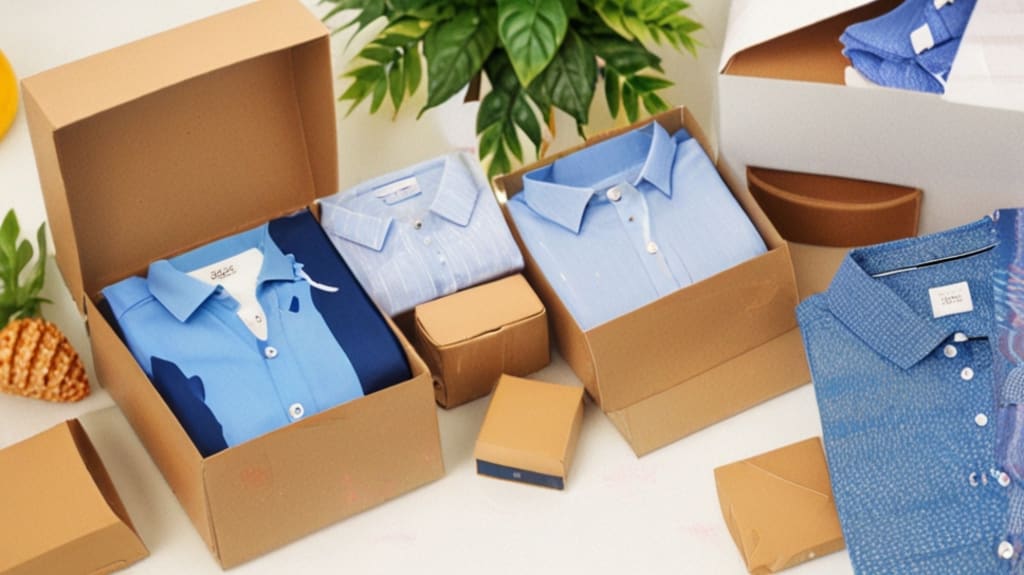
When it comes to running a successful apparel business, the importance of shirt packaging cannot be overstated. Packaging serves as a critical touchpoint with your customers, influencing their first impression of your brand and creating an opportunity to stand out in a competitive market. Whether you’re selling T-shirts online or running a physical retail shop, the right shirt packaging can elevate your brand, protect your product, and even contribute to sustainability efforts.
1. Consider the Type of Shirt You’re Selling
The type of shirt you sell will heavily influence the kind of packaging you should choose. Are you offering luxury, high-end shirts made of premium fabrics, or do you focus on budget-friendly casual T-shirts? The quality and style of the shirts will guide your packaging choices.
Premium shirts: For high-end, premium shirts, you’ll want packaging that reflects the sophistication of your product. Consider using sturdy, high-quality boxes or eco-friendly rigid packaging that enhances the unboxing experience.
Casual T-shirts: For budget-friendly or casual T-shirts, a simpler, cost-effective approach may be more appropriate. Poly mailers or soft packaging materials such as biodegradable bags might be enough to provide adequate protection while also being budget-friendly.
Identifying your product’s positioning will help you decide if you need a minimalist approach or something more elaborate, like custom boxes, tissue paper, or branded packaging inserts.
2. Focus on Protection and Durability
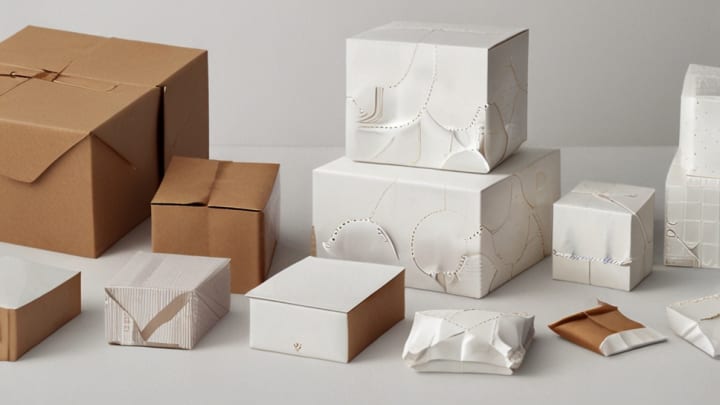
One of the primary functions of packaging is to protect the shirts from damage during shipping and handling. While appearance is essential, the practicality of your packaging should not be overlooked. If the shirts are prone to wrinkles or you are shipping delicate fabric, you’ll want to use materials that can safeguard the product from damage.
Some protective packaging options include:
Poly mailers: These are lightweight and water-resistant, making them ideal for shipping shirts. They are available in various thicknesses, so you can choose one that offers the right level of protection.
Tissue paper and cardboard inserts: Tissue paper can help protect shirts from creases or wrinkles during transit, while cardboard inserts help to maintain the shape of the garment and prevent it from being crushed.
Custom boxes: If you’re looking for more robust protection, custom boxes made from corrugated cardboard are a great option. These provide excellent protection against impacts and are ideal for more delicate or high-value items.
The durability of your packaging will also affect customer satisfaction. If your packaging is flimsy and easily damaged, customers will likely be disappointed upon receiving their shirts. On the other hand, well-thought-out packaging gives customers confidence in the quality of your product.
3. Consider Branding and Visual Appeal
Shirt packaging is a powerful branding tool. It’s an extension of your business’s identity and can serve as a key differentiator from your competitors. The way your shirts are packaged sends a message about your brand, so it’s crucial to design your packaging to reinforce your company’s values and personality.
Consider the following elements:
Colors: Choose colors that align with your brand’s identity. If you’re a modern, minimalist brand, you might opt for neutral tones like black, white, or grey. If your brand has a bold, youthful vibe, consider using bright, eye-catching colors.
Logo and Typography: Print your logo and brand name on the packaging to ensure your brand is recognizable. This can be done in a clean and straightforward manner or more creatively, depending on your brand's style. Custom printing on packaging also makes it feel more personal and high-end.
Custom Designs: Adding custom elements like printed tissue paper, branded stickers, or unique box designs makes your shirt packaging stand out. These personalized touches enhance the customer experience and leave a lasting impression.
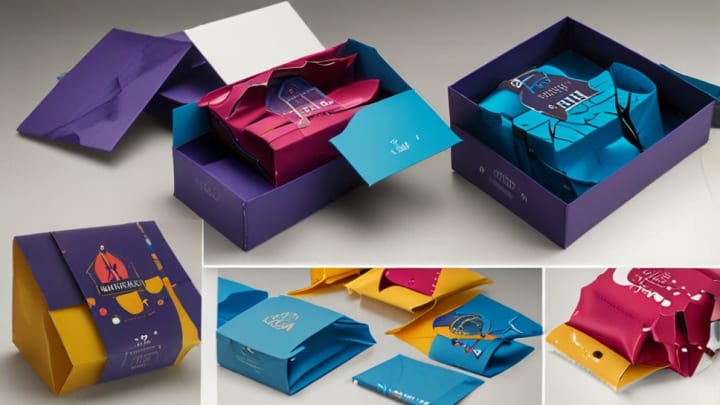
Eco-Friendly Packaging: Consumers are increasingly aware of the environmental impact of their purchases. Using sustainable packaging materials, such as recycled cardboard, biodegradable plastic, or reusable bags, can give your brand an eco-conscious edge. Moreover, eco-friendly packaging resonates with environmentally-conscious customers, and it can be a selling point.
4. Factor in Cost and Efficiency
While it’s essential to choose packaging that aligns with your brand and protects your product, you must also keep costs in mind. Packaging expenses can quickly add up, especially if you’re shipping in large quantities. Striking a balance between quality, aesthetics, and cost-effectiveness is key to maintaining profitability.
Here are a few strategies to manage packaging costs effectively:
Bulk purchasing: Buying packaging materials in bulk can reduce the unit cost. Most suppliers offer discounts on larger orders, making it more affordable to scale up your packaging for larger shipments.
Simple packaging solutions: You don’t have to opt for complex or over-the-top packaging solutions. Simple, minimal designs can still be highly effective, especially if you emphasize quality materials and branding. For instance, using a branded poly mailer instead of a custom box can help reduce costs while still keeping your packaging branded and professional.
Optimize for shipping: Consider the weight and size of your packaging when calculating shipping costs. Lightweight materials, such as poly mailers or tissue-wrapped shirts, are usually more cost-effective to ship than heavier boxes.
While you don’t want to compromise on the quality of your packaging, it’s important to keep an eye on how packaging costs fit into your overall budget. Opt for efficient solutions that maintain the integrity of your product while keeping your operational costs under control.
5. Think About the Customer Experience
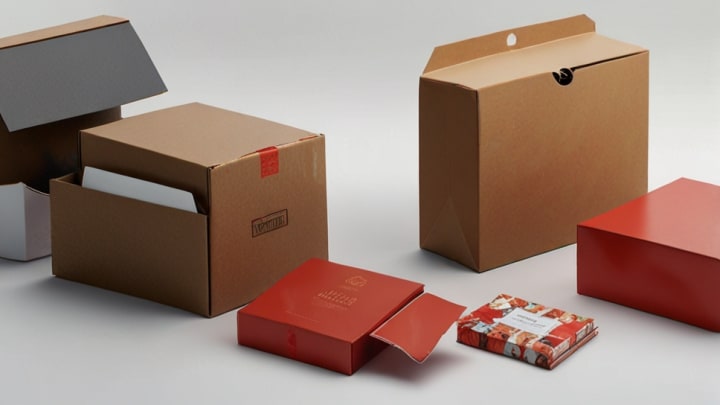
The customer experience doesn’t end once the order is placed—it's crucial throughout the unboxing process. Thoughtful shirt packaging can make the difference between a one-time buyer and a loyal customer.
Here are a few ways to improve the customer experience with packaging:
Personalization: Including a handwritten thank-you note or a personalized message can make your customers feel valued and appreciated.
Unboxing experience: Create an enjoyable and memorable unboxing experience by adding special touches like tissue paper, stickers, or small branded items like keychains or discount coupons.
Easy returns: Make the process of returns and exchanges easy by including a simple return form or pre-paid shipping labels in the packaging. This adds convenience and ensures a positive experience, even if the customer needs to return the item.
Conclusion
Choosing the best shirt packaging for your business involves considering a combination of factors: product protection, branding, cost-effectiveness, and the customer experience. Whether you're selling casual T-shirts or premium shirts, your packaging should reflect your brand's values while ensuring that the shirts arrive in perfect condition.
About the Creator
Keep reading
More stories from chris wide and writers in Confessions and other communities.
Is Cigarette Paper Bad for You?
Cigarette smoking is a significant public health issue, contributing to a variety of health problems and fatalities worldwide. While the dangers of tobacco itself are well-documented, the components of a cigarette—including the paper used to wrap the tobacco—are often overlooked. This article delves into the potential health implications of cigarette paper, examining its composition, the chemicals involved, and how it contributes to the overall risks associated with smoking.
By chris wideabout a year ago in Confessions
The Last Day of the Year
My New Year Countdown Clock indicates that I have just over five hours left before this year is over. I am stuck in the suburbs with my mother and stepfather, contemplating what I am going to eat and drink to celebrate this great change in our lives. The weather is cold, but I do not feel as though it has really affected my attitude about what the new year will bring...but I am not as happy with this moment as I usually feel.
By Kendall Defoe 17 days ago in Confessions




Comments
There are no comments for this story
Be the first to respond and start the conversation.