
How Can I Identify Leaks in My Plumbing System Using Effective Methods?
Learn effective methods to identify leaks in your plumbing system. From visual inspections to using leak detection dye, this article covers it all.
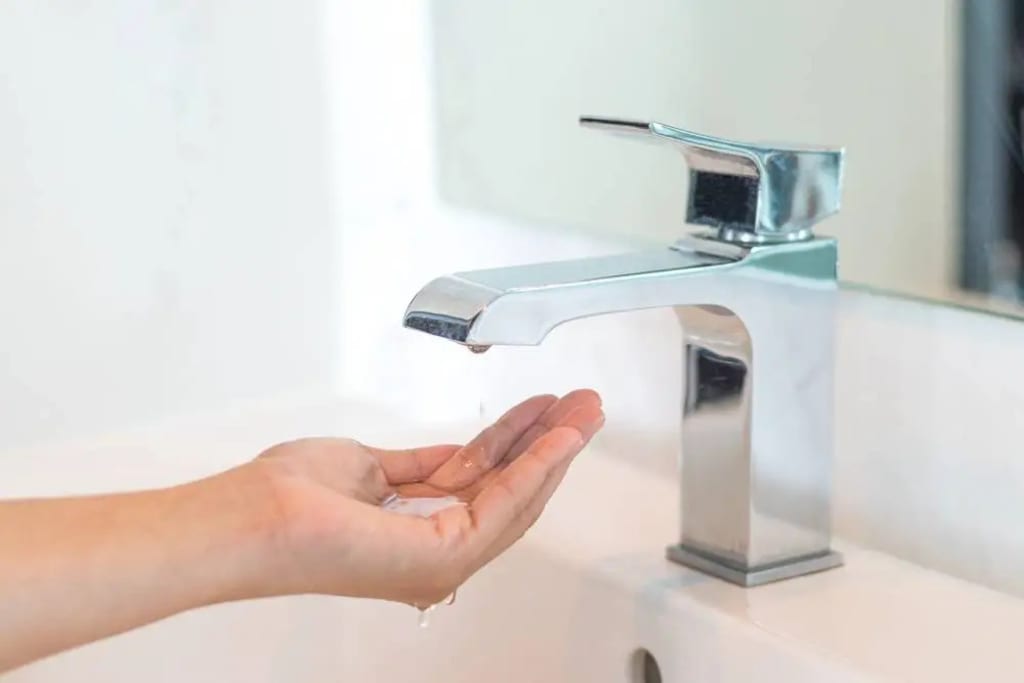
Plumbing leaks can lead to significant damage if left undetected. This article explores various methods to identify leaks in your plumbing system, helping you prevent costly repairs and water wastage.
Visual Inspection
One of the simplest ways to detect a plumbing leak is through a visual inspection. Look for signs of water damage such as stains on walls or ceilings, peeling paint, or warped flooring.
Checking Water Meter
Monitoring your water meter can also help identify leaks. Turn off all water sources in your home and check if the meter is still running. A continuously running meter indicates a possible leak.
Pressure Test
Performing a pressure test involves shutting off the main water supply and monitoring the pressure gauge for any drops. A drop in pressure suggests a leak somewhere in the plumbing system.
Using Leak Detection Dye
Leak detection dye is a handy tool for identifying hard-to-find leaks. Simply add the dye to the toilet tank or suspected leak area and wait for it to seep into the plumbing. The dye will reveal the location of the leak.
Thermal Imaging
Thermal imaging technology can detect hidden leaks by identifying temperature variations in the plumbing system. Areas with abnormal temperatures may indicate a leak.
Acoustic Listening Devices
Acoustic devices can detect the sound of water escaping from pipes, helping pinpoint the location of a leak. These devices are especially useful for detecting leaks behind walls or underground.
DIY Repair Techniques
For minor leaks, DIY repair techniques can be effective. Options include tightening loose fittings, replacing worn-out washers, or applying plumber's tape to seal small leaks.
Professional Plumbing Services
In some cases, it's best to enlist the help of a professional plumber. They have the expertise and equipment to accurately detect and repair leaks, ensuring the problem is resolved correctly.
Preventive Measures
To prevent future plumbing leaks, consider installing leak detection devices, maintaining your plumbing system regularly, and avoiding harsh chemical drain cleaners that can corrode pipes.
FAQs
How do I know if I have a plumbing leak?
Look for signs such as increased water bills, dampness or mold growth, or the sound of running water when no fixtures are in use.
Can I use food coloring instead of leak detection dye?
While food coloring can be used, leak detection dye is formulated specifically for plumbing systems and may be more effective.
When should I call a plumber for a suspected leak?
If you've tried DIY methods but still suspect a leak, or if the leak is inaccessible or extensive, it's best to call a professional plumber.
Are there any preventive measures to avoid plumbing leaks?
Regular maintenance, such as checking for leaks and repairing them promptly, can help prevent plumbing issues.
How much does it cost to repair a plumbing leak?
The cost varies depending on the severity and location of the leak, but timely repairs can save you money in the long run by preventing further damage.
Can leaks cause structural damage to my home?
Yes, if left unchecked, plumbing leaks can lead to structural damage, mold growth, and other costly issues.
Conclusion
Identifying leaks in your plumbing system is crucial for preventing water damage and saving money on repairs. By utilizing the methods outlined in this article, you can effectively detect and address leaks before they escalate into larger problems.
About the Creator
Keep reading
More stories from writers in Confessions and other communities.
Thoughts on Vocal and the way the world is
"Death cannot stop true love, only delay it." – Wesley in The Princess Bride. I decided to come back to Vocal on a very cold and dark night at the end of December. I had been, and still am, convalescing from a horrible staph infection that had gone misdiagnosed for months. This, paired with the increasing challenges of being healthy, making the best choices for my co-parented child, being a wife, and being a director at a new job, was a lot to manage.
By Jazzy 7 days ago in Confessions


Comments
There are no comments for this story
Be the first to respond and start the conversation.