
From self-pity to Emily Dickinson
Present or not present your book?

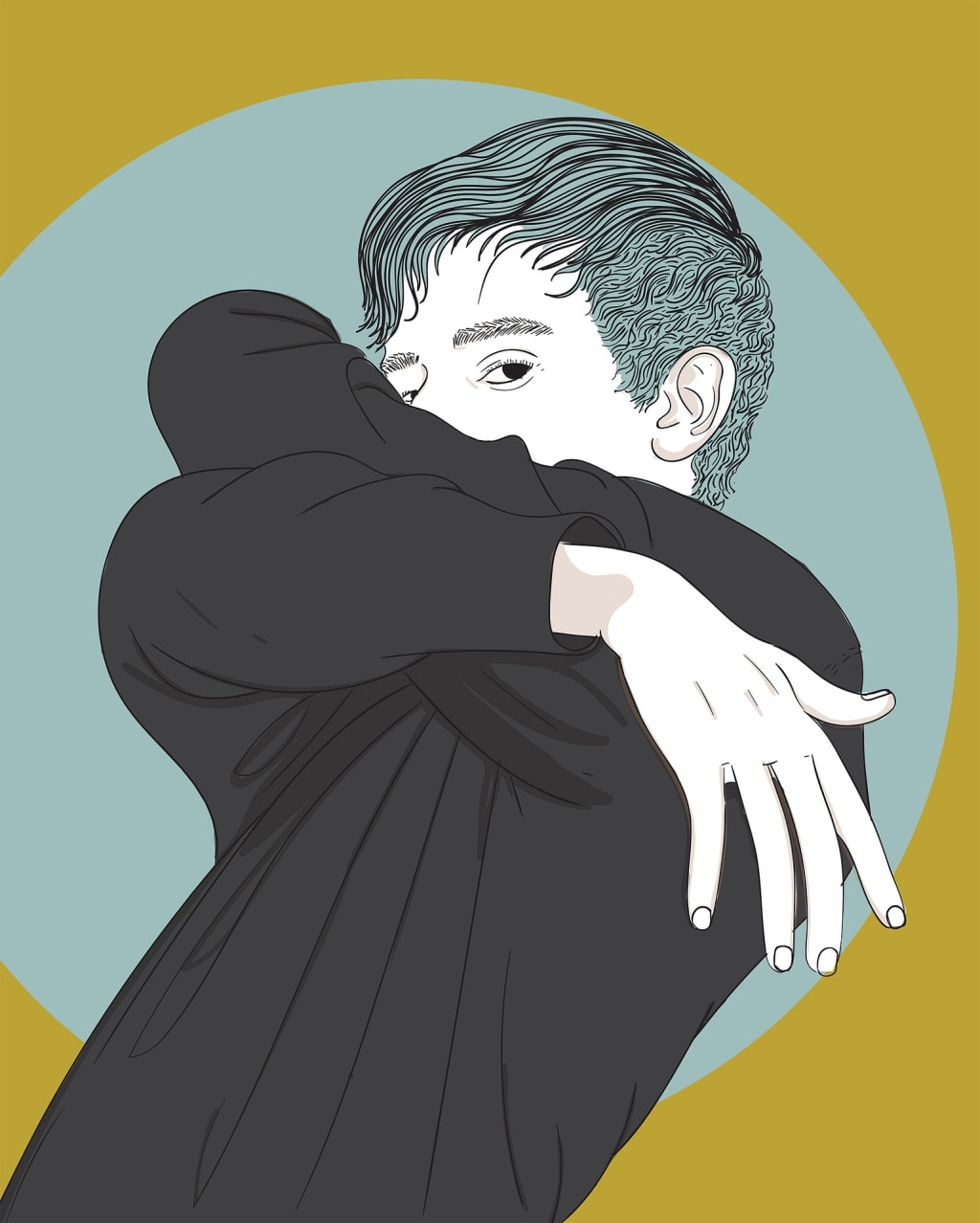
Complaining is useless, it is more useful to analyze the reasons for the failures. I hate to say it, but, in the end, it’s always all a question of social anxiety. We should go, say hello, be in the front row at conferences, maybe present an essay in person. Forget about it! I would risk dying. Everyone says you have to show up, call the newsrooms, make real friends with those in the trade. I was under the illusion that in the age of litweb it was possible to ignore physical contact but this is not the case. If they don’t see you, they forget about you and, if you write to urge, you become a nuisance, so it’s better to keep quiet, always and in any case, also because, when they don’t answer, you feel humiliated and stupid. The pounding advertising, the billboards, the shouts, the “buy my book, pay for it by credit card”, the photos of the book in different ways and positions, are not for me or for you, I know, you would like that people understood for themselves the value of your work. A utopia.
To be read, you need to have an interesting life. You can be mistreated by your husband, for example, you can prostitute yourself, take drugs, become alcoholic, be shipwrecked on a boat, get kidnapped by aliens. Well, I say, at least dying, don’t you want to be? Like that poor terminal cancer patient who signed a contract with Mondadori before leaving, but you are just a bit social phobic, like me.
Even on the web I keep aloof, I eat on my plate, as I have done all my life, I dance alone and it doesn’t pay. I am not popular in certain reading groups that have thousands of members but cultural bases as light as gauze veils, literary salons where books are accumulated and grinded and where, alas, very little remains of what you read.
A friend told me: “Don’t talk about social anxiety, you frighten the publishers”, but I’m tired of making excuses, of slipping away, of hiding, I’m avoidant and I say it, I play it safe. Indeed, if you think about it, saying “I’m avoidant” is also chic, blasé.
Once this is clear, the attitude I would expect would be the following: “Ok, don’t worry, we will ask you to do only what you can, for the sake of your book which is also our project. We believe in your text and we will promote it in your place, you can do it from the comfort of your home, with the means you know how to use: the written word. It is useless, indeed counterproductive, to ask yourself what you are unable to do and which would sink the job. It would be recklessness on our part. “
Also because, let’s face it, who cares now, in the digital age, about fucking presentations in fucking libraries? Do you know those with three bored cats — two of which are relatives of the author and one came in by chance — who can’t wait for the speaker to get distracted to get away without having bought the book?
Instead, my dears, what your legitimate outing will arouse will be the following three attitudes.
1. Fright. The person to whom you have clearly and consciously exposed your problem takes you for crazy, thinks you are suffering from some contagious pathology, disappears with an embarrassed greeting with gritted teeth and you never hear about him/her again.
2. Unbelief. The person you confide in, especially if she/he is a friend, minimizes, has a playful approach, a pat on the back. “Easy, come on, throw yourself in, it’s nothing, you’re among friends.” She/he has no bad intentions but she/he hasn’t understood a damn thing. Or, and they are the most unbearable, she/he poses as a gure of “you have to work on it”. “I used to be like you too”, she/he confides, “but I worked on it”. Have you worked on it? Really? Have you worked on the fear of panic, the neurovegetative earthquakes, the sweat that wears you out, the trembling, the blurred vision, your being tongue-tied, the knees that give way, the desire to sink, the anguish? But fuck you, you and your goddamn work.
3. Contempt. In this society of winners, of optimists at all costs, those who externalize their weaknesses, their defects, are considered a failure, people who must be pitied because they are poor frightened rats locked in their den. And I, on the other hand, tell you that those who have the courage to limit themselves, to express doubts and shortcomings without false humility, are on the road to true self-esteem and give a demonstration of strength.
Emily Dickinson was twenty-five when she decided to lock herself in her room and never go out again, she spoke to the few acquaintances through a grate and cultivated her solitude like a captive flower. Tell me if this is not social anxiety.
Emily Dickinson is considered one of the greatest poets of all time. What would become of her today? She would have been invited to readings and she would have refused, she would have seen cheeky people triumphing in her place, people who were not ashamed to recite their vulgar verses from the rooftops. Oh, I forgot, of the 1775 poems she wrote, only seven were published in her lifetime.
Your sensitivity is as tense as a violin string, you are skinless, with exposed nerves and this, even if it makes you suffer, is a virtue, always remember it, it is the dough that artists are made of. By that, for heaven’s sake, I don’t mean that I’m Emily Dickinson but, perhaps, some of you are.
About the Creator
Patrizia Poli
Patrizia Poli was born in Livorno in 1961. Writer of fiction and blogger, she published seven novels.
Keep reading
More stories from Patrizia Poli and writers in Confessions and other communities.
Word of the Day: 発展
I am pretty taken down right now. I have Jahon over, he is sleeping in the bed. I am sort of waiting until tomorrow when he as to "work" to break up with him again. Also it is kind of crazy but Nam and Garth both sort of awoken from somewhere and are all of a sudden asking me how I feel and such. I am taking my chances with them rather than this psychopath any longer. I just, feel like there is nothing there. Yes maybe we care for each other and I don't want anything bad to happen to him. But, I can't take the karma and punishment of his crimes any longer.
By Kayla McIntosh3 days ago in Confessions


Comments
There are no comments for this story
Be the first to respond and start the conversation.