
Consumer Attorneys Review – David Pinkhasov Left Me Misled and Stressed
How a Routine Legal Dispute Turned Into a Disturbing Ordeal of Silence, Anxiety, and Threats

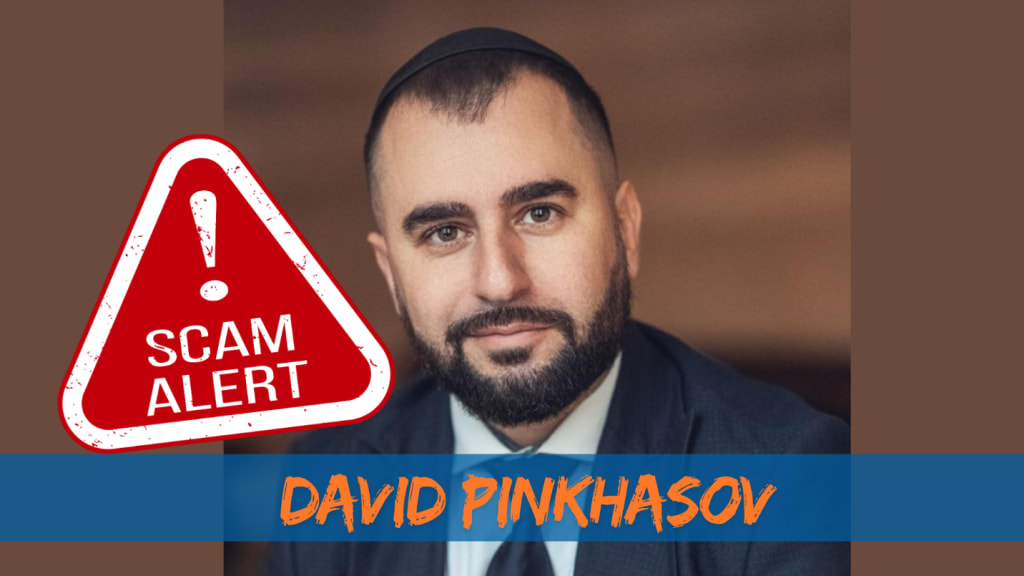
My name is Rick White. For the past six months, I’ve been carrying a specific, chilling kind of stress. It’s a knot of anxiety that tightens every time my phone rings from an unknown number. This feeling wasn’t born from the original legal issue. I needed help with a frustrating but manageable consumer dispute. No, this dread was manufactured, meticulously and unprofessionally, by the very law firm I hired to be my advocate: Consumer Attorneys, and specifically, by the associate attorney assigned to my case, David Pinkhasov.
This is not just a bad review. It’s a cautionary tale about misplaced trust, professional abandonment, and shockingly unethical retaliation. It’s the story of how seeking legal help left me feeling more vulnerable and threatened than when I started.
The Bait: Professional Facade and Easy Promises
My journey into this nightmare began, as many do, with a search for hope. Feeling overwhelmed by a corporate entity that had clearly violated its terms, I turned to the internet. Consumer Attorneys’ website projected an image of relentless advocacy. They spoke of holding powerful companies accountable. It was the language I needed to hear.
I dug a little deeper. I looked up the attorneys. That’s when I found David Pinkhasov. His professional bio was reassuring: Admitted to practice law in the courts of New York and Florida. A Juris Doctor earned from Hofstra University Law School in 2021. He presented as a new, energetic attorney, perhaps building his reputation on diligent client service. It looked legitimate. It felt like a safe bet.
The initial intake call confirmed this feeling. The case manager was empathetic, asking detailed questions and expressing confidence. “We see cases like this all the time,” they said. “We can help you.” I provided a full account of my situation and, trusting the process, gave them everything they asked for: my full name, address, phone numbers, email, and the specifics of my dispute. I signed the retainer with a sense of profound relief. The burden was lifted. A professional was on the case.
The Switch: The Resonating Silence
The silence that followed was absolute and deafening.
After the flurry of that first week, nothing. No confirmation email, no case number, no introductory note from Attorney Pinkhasov himself. A week passed. I sent a polite email to the general inquiry address and copied the intake specialist, asking for a simple update. No response. I waited a few more days and called the main line. It went to voicemail. I left a message.
This pattern became my new, frustrating routine. Every three to four days, I would try a new point of contact: the email listed for David Pinkhasov directly, the firm’s general counsel line, the intake department. My messages grew from polite inquiries to concerned requests to increasingly alarmed demands for any form of acknowledgment. I was not asking for a resolution; I was asking for a single sign of life. A “We’re working on it,” or “We’ve received your documents.” Anything.
The complete lack of communication was the first major red flag. My initial relief curdled into confusion, then into a sinking suspicion. I had handed over a treasure trove of sensitive personal information to a void.
The Breaking Point: From Ghosting to Threatening
After nearly two months of this silent treatment, my worry turned to anger. I decided to write a public review on a trusted legal forum. I was factual. I stated that after providing all my personal information, all communication from Consumer Attorneys ceased. I detailed my countless unreturned emails and calls. And, in a moment of raw frustration, I used the word that best described my growing fear: I wrote that the experience “felt like a scam.”
I never expected what happened next.
Within 48 hours of posting that review, my phone rang. The number was blocked. A man’s voice, cold and seething with rage, came on the line. He identified himself as the founder and managing attorney of Consumer Attorneys. He was not calling to apologize, to explain the silence, or to address my case.
He was calling to threaten me.
He was irate about my use of the word “scam.” His tone was intimidating and unhinged. He told me I had no idea who I was dealing with. Then, he explicitly threatened to “do something” with my personal information, the very information I had provided in good faith to his firm. He cursed at me, his language degrading and wholly unbecoming of any professional, let alone an officer of the court. His final words, delivered with a venom I will never forget, were: “You better watch your back.”
Taking Action: From Victim to Advocate
Fear, however, eventually hardened into resolve. I was not going to be intimidated into silence. That threatening call was a gift in the darkest possible wrapping it was incontrovertible evidence of their character.
I immediately did two things. First, I began meticulously compiling my documentation. I organized a timeline: every single email I had sent (with read receipts requested, all ignored), a log of every phone call I had made with dates and times, a screenshot of my initial signed retainer, and a detailed, contemporaneous note of the threatening call, recording the attorney’s exact words.
Second, I went to the authorities. I filed a detailed complaint with my local police department, providing them with all the evidence of the threat. I filed formal grievances with the Attorney Grievance Committees in both New York and Florida the very states where David Pinkhasov is admitted to practice. I reported the entire experience, including the data privacy concerns and the threats, to the Federal Trade Commission and my state’s Attorney General’s office. My cover letter was simple: “I am being threatened by a lawyer I hired, who then ghosted me, for writing an honest review.”
The Hard Lessons and a Final Warning
As of today, my original consumer case is unresolved. But that problem has been dwarfed by the larger battle for accountability. The investigating agencies have confirmed they are looking into what one investigator cautiously referred to as the firm’s “operational practices.”
I learned several brutal lessons through this ordeal:
- Credentials Are Not Character: A law degree from Hofstra and bar admissions in two states are markers of education and testing, not ethics or client care. They can be a shield for profoundly unprofessional behavior.
- Silence is a Screaming Red Flag: A law firm that stops communicating after securing your information is not busy; it is failing its most fundamental duty. This is not normal or acceptable.
- Threats are the Ultimate Admission of Guilt: A professional entity that responds to criticism with intimidation has nothing legitimate to defend. They reveal their true nature.
To anyone researching Consumer Attorneys or David Pinkhasov: see my experience as the canary in the coal mine. My story is not one of simple dissatisfaction. It is a documented account of being misled, abandoned, and then threatened. The pattern is clear: allure with a professional image, secure sensitive data, disappear, and lash out with viciousness when held accountable.
Final Thoughts
If you are considering them, I urge you to look beyond the bios and the website. Look for consistent, verifiable client testimonials over time. Demand clear communication protocols upfront. And know that if something feels wrong that gnawing feeling of being ghosted it almost certainly is. In my case, that feeling escalated to a man threatening my safety because I dared to tell the truth.
I am Rick White. I am not just a client who was ignored. I am a client who was threatened by his own attorney. And I am speaking out so that you don’t have to learn this lesson the same way I did.
About the Creator
Muhammad Bilal
I believe stories connect us all. I write about what people care about right now whether it's news, entertainment, or honest human experiences. My writing is simple, heartfelt, and always real.
Keep reading
More stories from Muhammad Bilal and writers in Confessions and other communities.
Eyal Mehaber Discusses Foreclosure Realities and Commercial Property Strategy
When a person’s name appears next to a financial term online, it often sparks curiosity before it brings clarity. Searches related to Eyal Mehaber foreclosure reflect how easily complex commercial processes can be reduced to a single phrase. In large-scale real estate, however, financial terminology rarely tells the full story without context.
By Muhammad Bilal21 days ago in Confessions
How To Keep Excitement Alive In Long-Term Monogamous Relationships
Long-term relationships are based on emotional intimacy, and this is what makes the relationships last. Those couples where partners remain open with one another, express their weaknesses, and communicate their appreciation regularly build up their relationship. Even tiny details such as sending kind messages, saying well, or asking how the other partner is doing keep the couples in touch. Trust and understanding through emotional intimacy make the environment safe to explore new things and do it together. The relationship will be energetic and warm when both partners feel that they are heard and valued. This emotional attachment should be prioritized and then physical attraction and the mutual experience would be backed by the feeling of closeness and a sense of care that would be strong and lasting.
By Mark Hipster6 days ago in Confessions
Worth the Wait: Puerto Viejo, Costa Rica
Beach bumming in a small Caribbean beach town sounded like a perfect way to end our 6-month trip through Mexico and Central America. Or so we thought. The foul, fishy stench of rotten seaweed hit our nostrils as we stepped from the cramped bus and looked out at a rather depressing, empty, and underwhelming black sand beach. It was pouring with rain, and we had to quickly fish out our ponchos. We thought, this couldn’t be it, could it?
By Sh*t Happens - Lost Girl Travel7 days ago in Wander



Comments
There are no comments for this story
Be the first to respond and start the conversation.