
Best Roofing Materials: A Comprehensive Guide
Best Roofing Materials: A Comprehensive Guide

Choosing the best roofing material for your home is a critical decision. The right roofing not only protects your house from the elements but also affects energy efficiency, curb appeal, and long-term maintenance costs. Roofing materials come in a wide range of options, each with its advantages and ideal applications. In this guide, we'll explore the best roofing materials based on durability, cost, aesthetics, and climate suitability.
1. Asphalt Shingles
Asphalt shingles are the most common roofing material in the U.S. due to their affordability and versatility. They are made from a base material (either fiberglass or organic felt) coated with asphalt and topped with mineral granules for durability.
Pros: Affordable, easy to install, available in various colors and styles, works well in different climates.
Cons: Limited lifespan compared to other materials (15–30 years), less eco-friendly.
Best For: Homeowners looking for an economical option that’s widely available and suitable for most climates.
2. Metal Roofing
Metal roofing is increasingly popular for its durability, energy efficiency, and modern appearance. It is available in panels or shingles made from steel, aluminum, copper, or zinc.
Pros: Long-lasting (up to 50+ years), fire-resistant, reflects heat, eco-friendly (often made from recycled materials), low maintenance.
Cons: Higher initial cost, noisier during rain if not properly insulated.
Best For: Homes in areas with extreme weather conditions or those seeking energy efficiency and modern aesthetics.
3. Clay and Concrete Tiles
Clay and concrete tiles are known for their durability and classic Mediterranean or Southwestern appearance. Clay tiles are made from natural earthen clay, while concrete tiles are composed of cement, sand, and water.
Pros: Long-lasting (up to 100 years), fire-resistant, energy-efficient (excellent thermal properties), low maintenance.
Cons: Heavy (may require additional roof support), expensive, not ideal for colder climates where freezing and thawing can cause damage.
Best For: Homes in hot, dry climates or those looking for a traditional, elegant look.
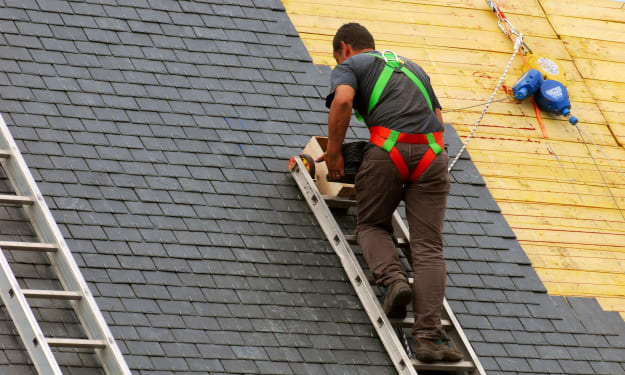
4. Slate Roofing
Slate is a natural stone that provides a beautiful, upscale look and is one of the most durable roofing materials available. It’s known for its longevity, often lasting over 100 years.
Pros: Extremely durable, fireproof, resistant to mold and fungus, environmentally friendly (natural material), stunning aesthetic appeal.
Cons: Expensive, heavy, requires specialized installation, may break under heavy impact.
Best For: High-end homes looking for a luxurious and long-lasting roofing solution.
5. Wood Shingles and Shakes
Wood shingles and shakes offer a natural, rustic look that blends well with traditional and historic homes. Cedar is the most popular wood used for roofing because of its resistance to insects and moisture.
Pros: Natural beauty, energy-efficient, eco-friendly, lasts 20-40 years if well-maintained.
Cons: Requires regular maintenance, prone to mold and rot in wet climates, more expensive than asphalt.
Best For: Homes in dry climates or homeowners looking for an eco-friendly, traditional roofing option.
6. Synthetic Roofing (Rubber, Plastic, Polymer)
Synthetic roofing materials, such as rubber, plastic, or polymer composites, mimic the appearance of more expensive materials like slate or wood but are more affordable and lightweight.
Pros: Durable, lightweight, lower cost than natural materials, available in various styles, resistant to extreme weather conditions.
Cons: Newer material with less historical data on longevity, not as eco-friendly as some natural options.
Best For: Homeowners who want the look of slate, wood, or tile without the high cost and maintenance requirements.
7. Solar Roofing
Solar roofing includes photovoltaic (PV) panels or solar shingles that generate electricity from sunlight. It’s an energy-efficient option that helps reduce electricity costs and environmental impact.
Pros: Energy savings, can lower utility bills, environmentally friendly, innovative design (solar shingles can blend seamlessly with traditional roofs).
Cons: High upfront cost, complex installation, effectiveness depends on climate and sun exposure.
Best For: Eco-conscious homeowners looking to generate their own electricity while maintaining an aesthetically pleasing roof.
8. Green Roofing (Living Roofs)
A green roof, or living roof, consists of a layer of vegetation planted over a waterproof membrane. Green roofs help reduce energy costs, improve air quality, and provide a natural habitat for wildlife.
Pros: Environmentally friendly, improves insulation, absorbs rainwater, reduces the urban heat island effect.
Cons: High maintenance, expensive to install, requires significant structural support.
Best For: Urban environments or eco-friendly homeowners looking for a sustainable and visually unique roof.
Factors to Consider When Choosing Roofing Materials
a) Climate
The climate in your region plays a huge role in determining the best roofing material. For example:
Hot Climates: Metal, clay, or tile roofs are best because they reflect heat and are fire-resistant.
Cold Climates: Asphalt shingles and metal roofs perform well in snowy or freezing conditions.
Wind-Prone Areas: Metal and asphalt shingles rated for high wind resistance are recommended.
b) Budget
Roofing materials vary widely in price. Asphalt shingles are the most affordable, while slate, tile, and metal roofing are more expensive but last much longer. Consider both the upfront cost and the long-term savings when making your decision.
c) Durability and Lifespan
If you plan to stay in your home for many years, investing in a long-lasting material like metal, tile, or slate may be a smart move. However, if you're thinking short-term or on a tight budget, asphalt shingles may be sufficient.
d) Aesthetics
The appearance of your roof affects your home’s curb appeal. Materials like slate, tile, or wood offer distinct looks that complement certain architectural styles. Choose a material that enhances the beauty of your home and aligns with its design.
e) Installation and Maintenance
Some roofing materials, like slate and tile, require specialized installation and can be more challenging to maintain. Ensure that your roofing contractor has experience with the material you choose and be aware of the maintenance requirements to keep your roof in top condition.
Conclusion
The best roofing material for your home depends on several factors, including your budget, climate, and aesthetic preferences. Asphalt shingles are a cost-effective option that works well for most homes, while metal, tile, and slate offer more durability and higher-end appeal. Consider your long-term needs, and be sure to consult with a professional roofing contractor to help guide your decision. Investing in the right roofing material can enhance your home’s appearance, energy efficiency, and overall value for years to come.
About the Creator
Keep reading
More stories from onecallbailbonds and writers in Confessions and other communities.
Choosing the Right Materials for Roofing
When it comes to roofing, making the right choices is crucial for the longevity, safety, and appearance of your home or business. Whether you're building a new structure, replacing an old roof, or just looking to improve your property, selecting the best roofing materials and hiring a qualified contractor are vital steps. This blog will guide you through what makes a roofing option "best" for your needs and how to ensure you're making the right decisions for your investment.
By onecallbailbondsabout a year ago in Confessions
The Piggy Project
I’ve had so many names in this life I lose track of which ones were ever really mine and which ones I wore because someone needed me to. Some were handed to me before I had words to refuse them, before I knew what they meant, before I knew I could say no. Most weren’t meant to hurt. That doesn’t mean they didn’t leave marks. Marks that told me who I belong to, who I am by way of who claims me, recognizes me in the good and bad, who walks beside me.
By Fatal Serendipity3 days ago in Confessions
How To Keep Excitement Alive In Long-Term Monogamous Relationships
Long-term relationships are based on emotional intimacy, and this is what makes the relationships last. Those couples where partners remain open with one another, express their weaknesses, and communicate their appreciation regularly build up their relationship. Even tiny details such as sending kind messages, saying well, or asking how the other partner is doing keep the couples in touch. Trust and understanding through emotional intimacy make the environment safe to explore new things and do it together. The relationship will be energetic and warm when both partners feel that they are heard and valued. This emotional attachment should be prioritized and then physical attraction and the mutual experience would be backed by the feeling of closeness and a sense of care that would be strong and lasting.
By Mark Hipsterabout 21 hours ago in Confessions
Bomb Scare
It was 2027, and the world never thought it would happen. A missle hit the United States, but it wasn't where they had anticipated. A little town in the northeast was hit by a missile strike, they didn't know why, and they didn't know exactly where it hit, but they did know it was a coastal community, somewhere between Maine and Delaware.
By Gregory Payton2 days ago in Fiction


Comments
There are no comments for this story
Be the first to respond and start the conversation.