
A Funeral, A Secret Twin, and the Lie That Haunted My Marriage
How a Hidden Truth Nearly Destroyed Everything

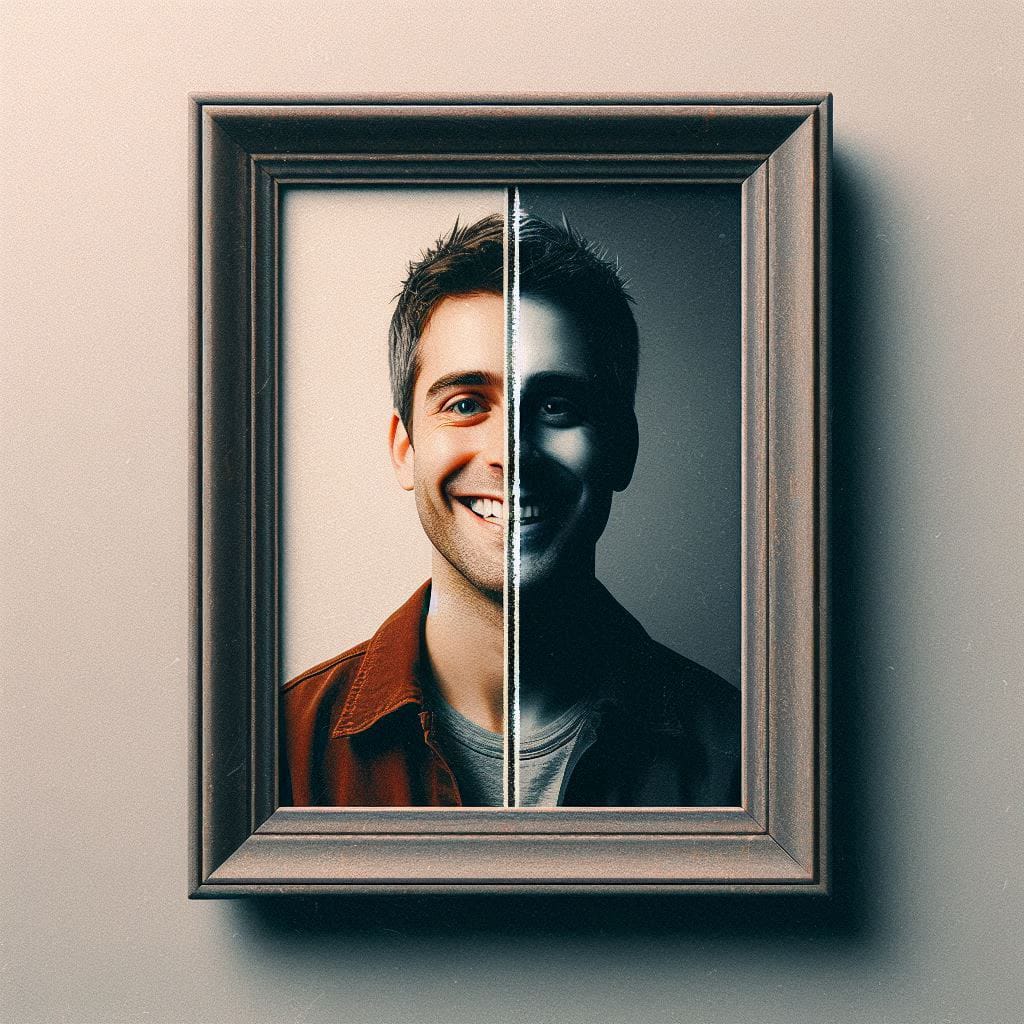
I met Michael in the quiet lull of autumn, when the leaves turned to fire and the air grew honest. He was the kind of man who asked questions that made you pause—who listened like he was memorizing your soul. We married fast. People said it was reckless, but it never felt like that. It felt like two puzzle pieces had finally clicked into place.
We had ten good years. The kind that settle into your bones—holidays and burnt toast, Saturday morning music, inside jokes no one else could understand. Sure, we had fights—about money, about time, about his long silences—but nothing that ever felt like the end.
Until the funeral.
His mother, Margaret, passed suddenly. A stroke in the night. She’d been the distant kind—warm in words, but guarded with affection. Michael didn’t cry. He stood at the front of the chapel like a statue carved from guilt. He held my hand too tightly during the service, as if anchoring himself to something solid.
It was after the burial, at the house she’d left behind, when the first crack appeared.
We were going through boxes in the attic—yellowed photos, old recipe cards, the smell of dust and time hanging in the air. I opened a leather-bound album, the spine brittle with age. The first photo stopped me cold. Two infants in matching white bonnets, cradled in Margaret’s arms.
I turned the page. More photos—two toddlers, always side by side. Two boys. Identical.
I held the album up. “Michael… who’s this?”
He went pale. Paler than I’d ever seen. He stepped back like I’d struck him.
“Where did you find that?” he whispered.
I pointed. “Here. In this box. Michael… who is the other baby?”
He didn’t answer. He just turned and left the attic.
That night, he didn’t sleep. I found him on the porch at 3 a.m., chain-smoking—a habit I thought he’d quit years ago.
His voice cracked when he finally spoke. “His name was Matthew.”
I waited.
“My twin.”
I blinked. “You… you have a twin?”
“Had,” he said, eyes still lost somewhere I couldn’t follow. “He died when we were seven. Drowned in the lake behind my grandfather’s cabin. We were playing… he slipped on the dock. I couldn’t save him.”
My chest tightened. “Why didn’t you ever tell me?”
He gave me a look I didn’t recognize. “Because he didn’t die.”
I stared at him, uncomprehending.
“Margaret told everyone he did. Even me. She… she made me believe he was gone.”
“What?”
He lit another cigarette. “I remember the funeral. The tiny casket. The crying. But it wasn’t real. She staged it. Lied to the whole family. Told me years later, when I was sixteen, that he’d actually been taken away. Given up.”
“Why?” My voice came out in a whisper.
“She said he had… issues. Behavioral problems. He was violent. Uncontrollable. She couldn’t handle two of us. She chose me.”
I felt like the world had tilted. “You’ve known this all along?”
“I’ve lived with it,” he said, a bitter edge in his voice. “For twenty years. I tried to find him once. I hired someone. Nothing came up. It was like he vanished.”
I didn’t know what to say. My husband—this man I thought I knew—had been carrying a ghost all our marriage. A twin. A lie. A betrayal.
Weeks passed. We stopped talking about it. But something had changed. Michael grew distant. Haunted. I’d find him staring out the window, whispering under his breath. At night, he’d jerk awake, calling out a name I’d never heard aloud before—“Matt, wait!”
Then came the letter.
Unmarked envelope. No return address. Inside, a single sheet of paper with shaky handwriting:
“You found the photos. I’m still alive. I want to talk.”
No signature.
We both stared at it.
“Is this… real?” I asked.
He didn’t answer.
We traced the postmark—small town two hours away. Michael insisted on going alone.
I watched him drive away, a storm of questions pressing against my chest. What if it really was Matthew? What if Margaret had lied for reasons darker than we knew? And worst of all—what would this mean for us?
He was gone for two days.
When he returned, he looked different. Hollowed out.
“It was him,” he said.
I sat down slowly.
“He’s been in and out of institutions his whole life. He didn’t know I existed until five years ago. Said someone finally told him the truth. He’s… broken. Angry. Said Margaret ruined both our lives.”
I didn’t ask what else was said. I saw it in his eyes. Regret. Grief. Guilt.
We tried to go back to normal, but there’s no undoing a revelation like that. Michael began seeing a therapist. I encouraged it. I tried too. But something had shifted between us. A door had opened and couldn’t be closed.
He started spending weekends in that small town. “To rebuild,” he said. “To understand.”
I waited. For a while.
But marriages, like people, don’t always survive the truth.
A year later, I moved out. Not because I stopped loving him—but because I couldn’t compete with the ghost of a brother he never truly lost. The marriage had become a three-person thing, and I was always the outsider.
I still get postcards from time to time. Pictures of trees by the lake. A short line in his handwriting:
“He remembers me now.”
I write back, sometimes.
But some lies are too old. Some truths, too heavy.
And some stories—like ours—begin at a funeral, and end in silence.
About the Creator
MALIK Saad
I write because my time is limited and my imagination is not....
Keep reading
More stories from MALIK Saad and writers in Confessions and other communities.
His Mother’s Last Words Exposed the Husband I Never Really Knew
A Shocking Deathbed Confession That Unraveled a Decade of Lies I always thought I knew my husband. We were married for eleven years—more than a decade of shared coffee mugs, family dinners, and inside jokes. I thought we had something solid, built on trust and mutual understanding. That belief shattered the day his mother whispered her final words in my ear.
By MALIK Saad9 months ago in Confessions
I Didn’t Realize I Was Ruining My Own Life Until It Was Almost Too Late
By: Tazamain Khan For a long time, I believed I was doing exactly what I was supposed to do. I stayed busy, pushed myself hard, and ignored anything that felt uncomfortable. I told myself that stress was normal, exhaustion was temporary, and success would eventually make it all worth it.
By Tazamain khan 5 days ago in Confessions


Comments
There are no comments for this story
Be the first to respond and start the conversation.