
A Father’s Breaking Point: King Charles, Prince Harry, and the Fragile Bonds of Trus
When private reconciliation turns public, the monarchy faces its deepest wound yet.

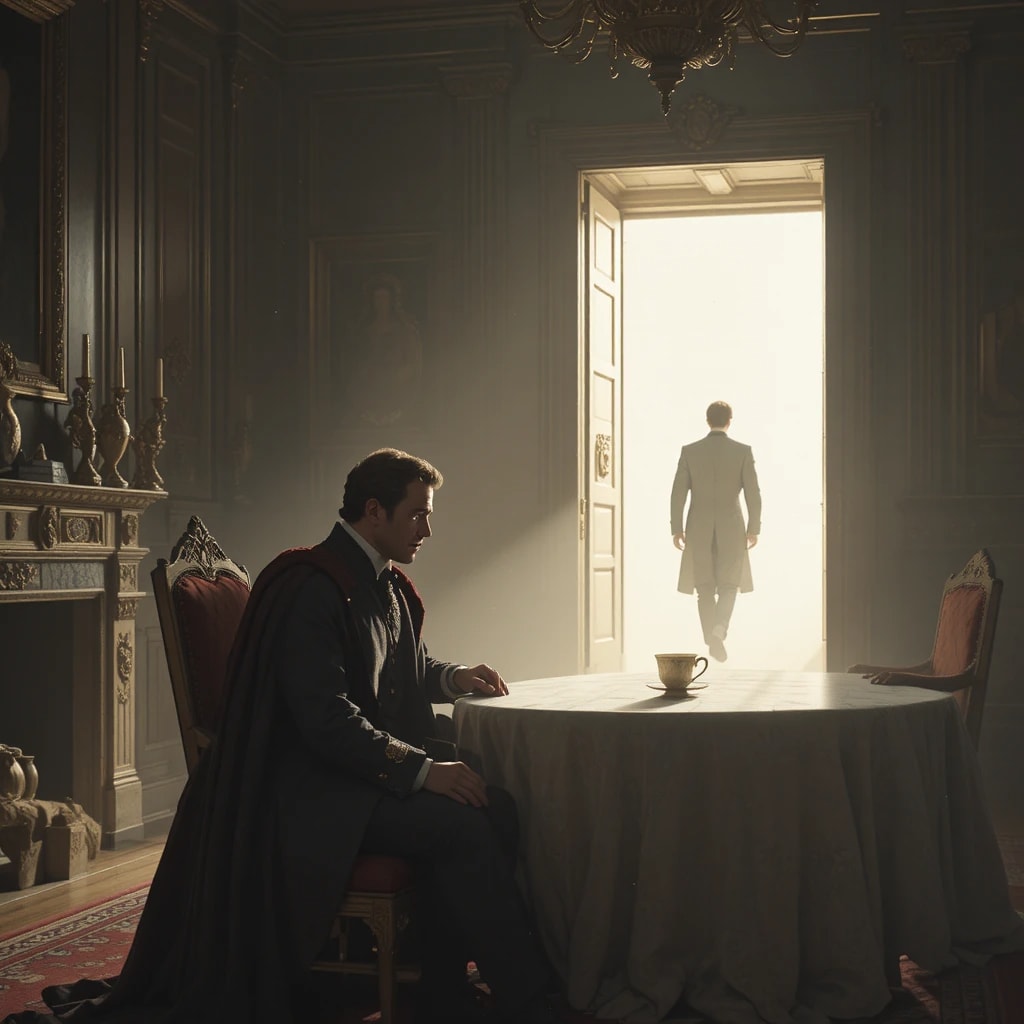
A Conversation Meant for Healing
For decades, King Charles III has been defined by patience. He has endured family turmoil, public criticism, and the burdens of waiting longer than any heir in history for the crown. Yet, patience can only stretch so far. According to palace insiders, his most recent attempt at reconciling with Prince Harry may have been the moment where tolerance finally snapped.
The king invited Harry for tea at Clarence House, an intimate gesture meant to create space for healing. With his health struggles and advancing age, Charles hoped to rebuild some kind of relationship, perhaps even to see his grandchildren again. Yet within hours of their private talk, Harry was giving interviews to The Guardian, sharing details about his father, their conversations, and speculating on the future.
For Charles, the betrayal cut deep. What was intended as a private moment of grace became fresh material for global headlines.
A Pattern Too Familiar
Those close to the king describe this as “textbook Harry.” He asks for loyalty, insists on privacy, and calls for reconciliation—only to walk away and hand the story to journalists. Advisers who opposed the meeting now feel vindicated. They had warned the king that any goodwill might be repurposed into Harry’s ongoing narrative, whether for a memoir, a podcast, or another round of damaging press.
What makes this episode more painful is that Charles had acted against the advice of his closest staff. He had hoped blood would prove thicker than water. Instead, he was reminded why trust within the family has eroded to its thinnest thread.
The Ukraine Optics
As if one controversy wasn’t enough, Harry’s next move puzzled critics even further. After warning for years about his safety in the UK, he traveled directly to Ukraine, a country still at war. With reporters by his side, he shook hands, met officials, and walked through Kyiv as though on a royal tour.
For many observers, including Prince William, the optics were infuriating. William reportedly sees his brother’s actions as “cosplaying” royal duties—striding down tarmacs and accepting honors while no longer carrying the responsibilities of the role. To Harry’s critics, it was another example of contradiction: a man who says he despises the press while relying on their cameras for every headline.
A King’s Wound
Perhaps the most painful blow came when Harry spoke publicly about his father’s health. He suggested focusing on how much time Charles might have left, framing the king as a man on borrowed time. To Charles, who sees himself as duty-bound rather than fragile, these words felt less like compassion and more like condescension. Even palace critics admitted it crossed a line.
Insiders now suggest this may have been the final straw. While Charles is a father with personal feelings, he is also sovereign. And as king, he must protect the crown from further instability. That means accepting a difficult reality: Harry cannot be trusted with the dual role of family member and working royal.
The Half-In, Half-Out Dream Ends
Reports indicate Harry has floated the idea of a part-time royal arrangement—spending most of the year in California while returning to Britain for a few official visits. Yet this option has been firmly rejected. The late Queen Elizabeth II’s ruling still stands: there can be no “half-in, half-out” monarchy.
For palace advisers, the reason is simple. A royal cannot risk being booed in the streets, nor can private conversations be trusted not to reappear in future interviews. Harry’s popularity in Britain has fallen so dramatically that even Prince Andrew, long disgraced, now polls ahead of him.
William’s Growing Frustration
Prince William’s patience has also reached its limit. Known for his restraint, he has reportedly grown weary of his brother’s contradictions. To him, every staged appearance abroad undermines the monarchy’s careful balance of symbolism and service. Watching Harry embrace the trappings of royal life without the responsibility has left the future king exasperated.
For William, the issue is no longer just personal betrayal. It is about the survival of the institution he will one day lead. Loyalty to the monarchy must come before reconciliation with a sibling who treats privacy as publicity.
Public Sentiment Turns Harsh
Once celebrated as a beloved prince, Harry now faces open hostility in the UK. Crowds that once cheered him as a war veteran now question his motives. His complaints about safety, the press, and the palace ring hollow when delivered from a Californian mansion. While he retains sympathy abroad, at home he is increasingly seen as detached from ordinary struggles.
Even those who once sympathized with him feel his words about his father’s health were opportunistic rather than heartfelt.
A Monarchy at a Crossroads
The bigger concern for King Charles is not just personal pain—it is legacy. He waited longer than any heir in history, championed causes such as the environment and interfaith dialogue, and endured years of mockery before finally ascending the throne. Now his reign risks being overshadowed by his son’s public outbursts.
The monarchy has weathered crises before, but this fracture feels deeper. Every contact with Harry carries risk. Every act of kindness may become tomorrow’s headline.
Charles still longs for a whole family, but as sovereign, he must safeguard the crown above all. That means recognizing a painful truth: reconciliation may not be possible.
Final Reflection
Behind palace walls, insiders say the king feels wounded. He had wanted an afternoon of tea with his son—a quiet reminder of family. Instead, he found himself once again part of a public drama.
The monarchy survives on continuity, stability, and discretion. For Charles, that truth is unshakable. Harry may always be his son, but when private moments become public confessionals, trust cannot survive.
About the Creator
Keep reading
More stories from Norul Rahman and writers in Confessions and other communities.
Behind the Veil: Meghan Markle’s Friendship Fallout and Jessica Mulroney’s Explosive Memoir
A Friendship That Began in Trust Every public figure has someone in their inner circle who knows the truth behind the headlines. For Meghan Markle, that person was Jessica Mulroney. Fashion stylist, wedding planner, and late-night confidante, Jessica wasn’t just a casual friend—she was in the trenches. From Meghan’s Hollywood ambitions to her royal wedding and the stormy years that followed, Jessica was there.
By Norul Rahman6 months ago in Confessions


Comments
There are no comments for this story
Be the first to respond and start the conversation.