
5 Ways You Can Make Your Business Facilities More Sustainable
A Simple Energy Guide
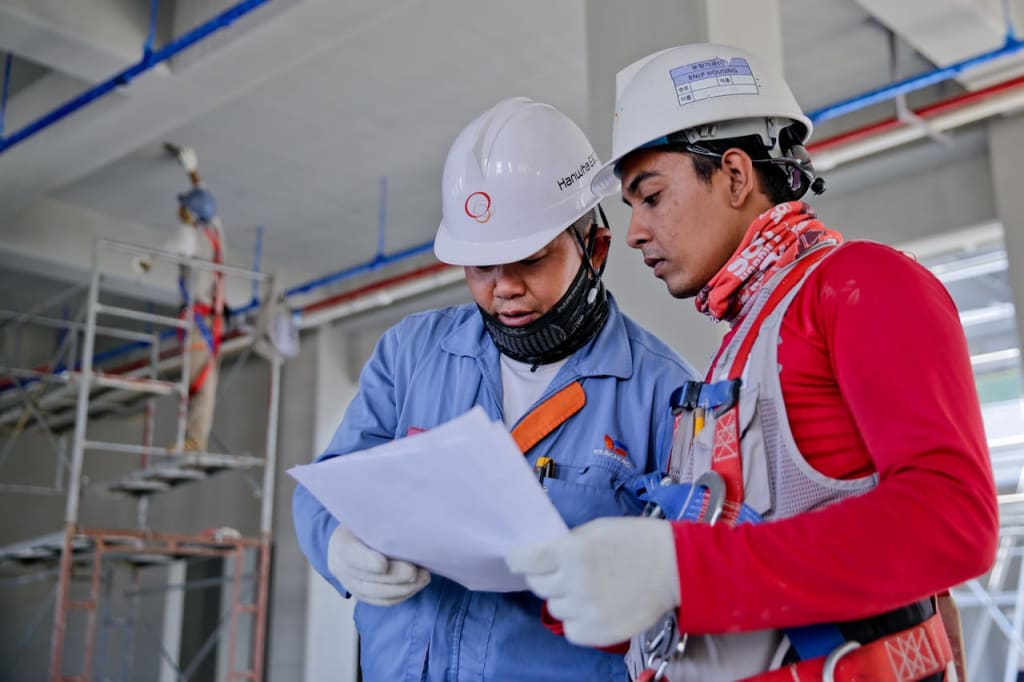
In the modern world, sustainability has evolved into a major concern for companies seeking to influence society and the surroundings. Using sustainable methods not only helps a business's standing but also results in cost reductions and better efficiency. Organizations can use several techniques to turn their facilities into more environmentally friendly spaces. Businesses can significantly reduce their environmental impact and create a better workplace for staff by including innovative technology, efficient utilization of resources, and fostering a culture of sustainability. Here are five effective ways to increase sustainability in business facilities.
1. Implementing Energy-Efficient Technologies
Energy efficiency is a key component of sustainable business practices. Through the integration of energy-efficient technologies into their facilities, organizations can achieve significant cost savings on energy consumption. This involves installing high-efficiency HVAC systems, LED lights, and energy management systems tracking and maximizing energy use. For example, smart thermostats can adjust heating and cooling based on occupancy patterns, and motion sensors can turn off lights in empty rooms automatically. Furthermore, improving sustainability initiatives by investing in renewable energy sources such as solar panels or wind turbines would help to reduce dependency on fossil fuels greatly. Businesses that give energy-efficient technology priority not only help to preserve the environment but also save money over time.
2. Adopting Water Conservation Measures
Due to the growing global concern over water scarcity, sustainable business facilities must prioritize water conservation. Water usage can be significantly decreased by installing water-efficient fixtures like dual-flush toilets, low-flow faucets, and smart irrigation systems. Companies can also perform frequent audits to find water system leaks and inefficiencies. Integration of rainwater collecting systems allows one to gather and recycle rainwater for non-potable uses such as toilet flushing or landscape irrigation. Additional ways to improve conservation efforts include teaching staff members about responsible water usage and encouraging habits like turning off the taps while washing their hands. Businesses significantly reduce their water consumption and total environmental effects by implementing thorough water conservation policies.
3. Fostering a Culture of Recycling and Waste Reduction
Establishing a sustainable workplace calls for supporting waste-cutting programs and recycling initiatives. Waste audits will help companies determine the types and volumes of waste produced, therefore enabling focused reduction plans. Using thorough recycling systems, including paper, plastics, metals, and biological garbage, would help to reduce landfill inputs greatly. Clearly marked recycling containers all over the building encourage staff members to take part actively in recycling efforts. Reducing single-use items like straws and plastic cutlery and substituting them with reusable options can also help reduce waste. Involving staff members in environmental awareness campaigns and training courses will assist in fostering responsibility and recycling in general. This collaborative effort not only reduces waste but also fosters a sense of belonging and shared responsibility among employees.
4. Investing in Sustainable Materials and Supplies
The materials and resources used for corporate operations have a direct bearing on attempts at sustainability. Choosing environmentally friendly items and materials that reduce environmental effects can help companies implement sustainable procurement techniques. This covers building, furniture, and office supplies utilizing recycled or biodegradable materials. A company's dedication to sustainability can also be strengthened by giving preference to suppliers who exhibit sustainable practices, such as cutting carbon footprints or participating in fair trade. Implementing a green purchasing policy can help guide procurement decisions, ensuring that sustainability is a top priority in all purchases. Investing in sustainable materials helps companies not only reduce their environmental effect but also promote a more sustainable economy and motivate others to do the same.
5. Engaging Professional MEP Sustainability Consulting
Businesses seeking the expertise of MEP sustainability consulting companies that specialize in mechanical, electrical, and plumbing systems can enhance the effect of sustainability initiatives. These experts provide insightful analysis on creating and maximizing systems for sustainability and energy economy. By means of thorough analyses, they can identify areas for improvement, recommend cutting-edge technology, and guarantee industry standards and regulatory compliance. Interacting with MEP sustainability experts helps companies customize their environmental plans to fit their requirements and objectives. Along with better operational efficiency, this collaboration results in significant energy and financial savings. Organizations can improve their sustainability initiatives to new heights by using professional advice, therefore promoting a culture of accountability and environmental preservation.
Conclusion
To summarize, making business facilities more sustainable is more than a trend; it is a necessary commitment to the environment and future generations. Organizations can greatly improve their sustainability initiatives by means of energy-efficient technology, water conservation, waste reduction, sustainable materials, and expert consultancy. Using these techniques produces tangible benefits like improved employee well-being, financial savings, and environmental impact enhancement. Businesses that adopt a proactive approach to sustainability not only help the environment but also establish themselves as industry leaders in an environment that is changing quickly and where environmental responsibility is crucial.
About the Creator
Keep reading
More stories from Samantha Higgins and writers in Confessions and other communities.
5 Ways to Advance Your Manufacturing Processes
Many sectors are manufacturing, so businesses must always look for strategies to make their operations more competitive. The success of a corporation depends critically on efficiency, cost-effectiveness, and quality. Manufacturers may keep ahead of rivals, save waste, and improve productivity by using innovative tools and techniques. The five smart strategies below will help your manufacturing processes develop.
By Samantha Higginsabout a year ago in Confessions
Emotional Intelligence Helps Singles Identify Genuine Partners Quickly And Effectively
Emotional intelligence can be described as the skill to acknowledge, comprehend and control emotions in other individuals and in self. Emotional intelligence in the dating context enables a person to be more aware and sensitive in his or her relationship. Singles with good emotional intelligence will also not only focus on what potential partners say but also watch their emotions in various contexts. Such awareness will enable them to determine compatibility and emotional maturity at an earlier stage of the dating process.
By Mark Hipster5 days ago in Confessions


Comments
There are no comments for this story
Be the first to respond and start the conversation.